How to Choose a Fully Automatic Coffee Maker: Mill, Upkeep and Budget
Freshly ground at one button — picking by type so you won’t regret it
A fully automatic coffee maker hands off the whole “grind → brew” job — the front-runner for saving time. But the mill type, ease of upkeep and budget make a big difference in satisfaction. We sort out burr vs blade mills, the easy-to-miss upkeep gap, the sweet spot by budget, and where it fits versus hand drip and espresso.
Contents · 10
- Why a fully automatic coffee maker
- First, know the three types
- Choice ①: the mill type (this decides the flavor)
- Choice ②: ease of upkeep (will you keep using it)
- Choice ③: the sweet spot by budget
- Automatic vs hand drip: accepting the trade-off
- If you want espresso, know it’s “a different thing”
- Common regrets and how to avoid them
- Frequently asked questions
- Conclusion: once the axes are set, picking a model is fast
“A freshly ground cup every morning at one button” — a fully automatic coffee maker hands off everything from grinding the beans to brewing, the front-runner for saving time. But even within “fully automatic,” the mill type, ease of upkeep and flavor direction vary a lot by model. Miss on the choice and you get “uneven grind with off-flavors” or “too annoying to clean, so I stopped using it.” This article lays out how to choose without regret. For a side-by-side of specific models, see our fully automatic coffee maker comparison — grasp the axes here first and you won’t miss.
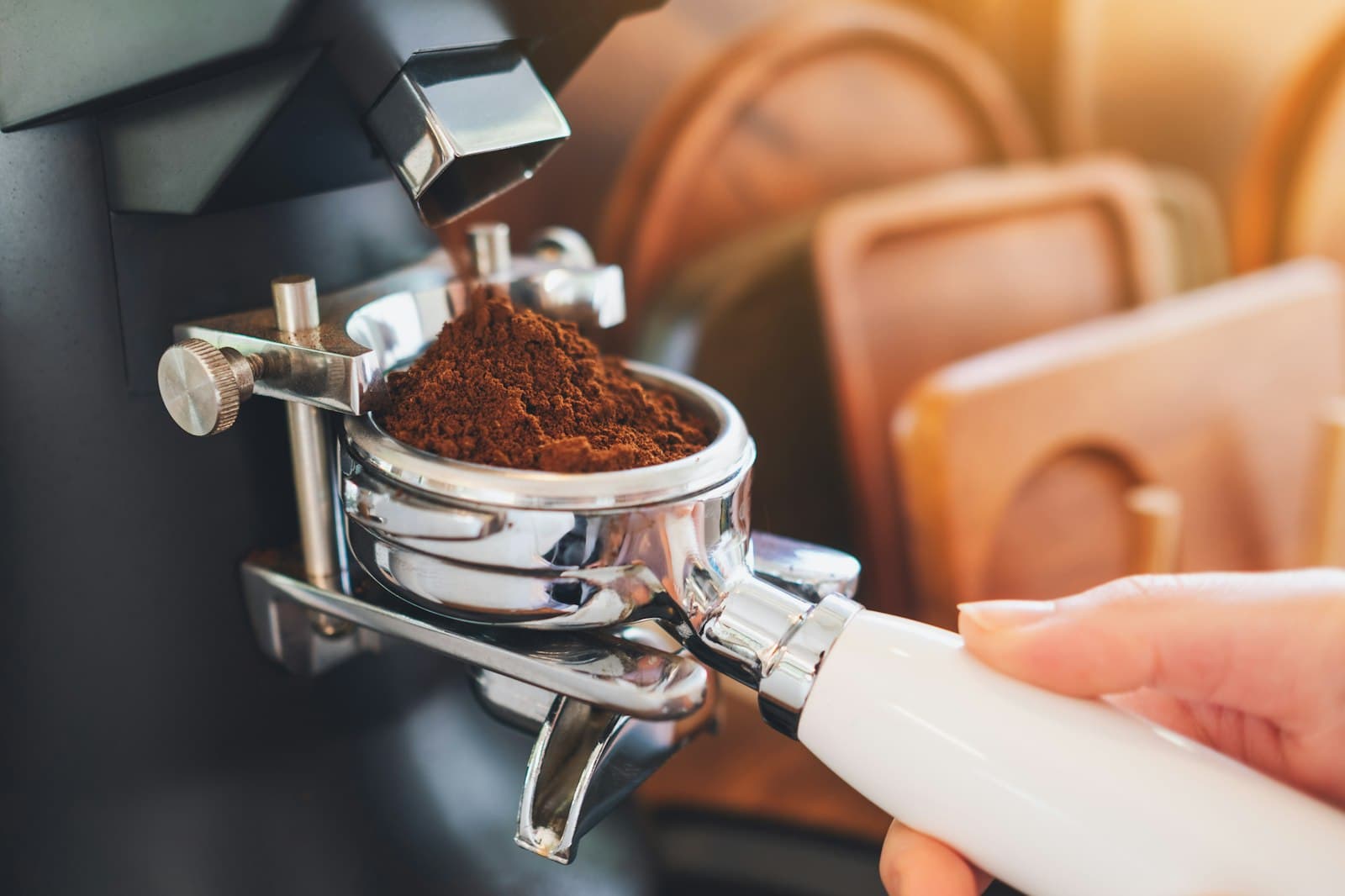
Why a fully automatic coffee maker
- Freshly ground daily — grounds oxidize fast the moment they’re ground; grinding right before brewing alone makes the aroma worlds apart
- One-button effort — measuring, grinding, blooming and extraction automated. A steady cup even on a busy morning
- Stable flavor — more repeatable than by hand, nearly the same taste every time; easy to brew for the whole family at once
- A lasting investment — used daily, a satisfying model is cheap per cup
First, know the three types
Even within “fully automatic” there are three types with different goals. Decide which one you actually want first.
- Bean-to-cup drip — put beans in and it drips automatically. The home mainstream and this article’s focus. From the ¥10,000s
- Single-cup (pre-ground) — no mill (uses grounds), but carefully controls per-cup extraction. Design-focused premium machines live here
- Fully automatic espresso machine — real espresso and milk menus from beans. A different dimension of price and upkeep, so a separate thing (below)
Choice ①: the mill type (this decides the flavor)
What most shapes an automatic’s flavor is the built-in mill type. The more even the grind, the fewer off-flavors and the cleaner the taste.
- Burr (conical / flat): “shaves” the beans, so the grind is even and off-flavors are rare. The mainstream of mid-to-high models. The pick when unsure
- Blade (propeller): “chops” the beans, so the grind is uneven. Common on the cheapest machines; taste is what you pay for
- Grind adjustment: a model that lets you choose the grind can fine-tune to the beans or your taste. For the particular, choose one with adjustment
Choosing on price alone makes it easy to land the cheapest blade-mill machine. Even if it “can grind,” grind unevenness causes over-extraction (bitterness, off-flavors). If you value taste, first check whether it’s a burr mill (conical/flat).
Choice ②: ease of upkeep (will you keep using it)
The number-one reason an automatic ends up unused is fussy upkeep. Precisely because it’s daily, skimp here and you’ll give up.
- Self-cleaning mill: a function that flushes the post-grind residue automatically drastically cuts daily upkeep
- Ease of disassembly: is the mill area, basket and water tank easy to wash? Old grounds oxidize and muddy the taste
- Water upkeep: a purify (de-chlorinate) function keeps off-flavors down even with tap water. Also check the descaling effort
Choice ③: the sweet spot by budget
- ¥8,000–13,000: entry. Often blade mills. Accept the trade-off of “experiencing freshly ground at minimal cost”
- ¥15,000–25,000: the sweet spot. Staples with burr mill, purify, bloom and self-cleaning mill. A safe bet for a first machine
- ¥25,000–35,000: serious models that obsess over cup quality, like reproducing hand drip
- ¥50,000+: premium single-cup machines that prize design and ownership. An investment in experience more than taste
When unsure, a ¥15,000–25,000 staple with a burr mill, purify, bloom and self-cleaning mill misses the least. For instance, Panasonic’s long-supported home automatic brews from beans or grounds, is relatively easy to maintain, and suits a “first machine.”
Automatic vs hand drip: accepting the trade-off
It’s true the “ceiling” for chasing flavor is higher with hand drip. Because you control temperature, pour and bloom yourself, the upper limit of expression favors the human hand. An automatic’s strength, meanwhile, is stability and time-saving — value lies in serving an unwavering cup effortlessly every morning. Automatic on weekdays to save time, hand drip at leisure on weekends is a high-satisfaction classic. To learn more about grind and technique, see the brewing guide.
If you want espresso, know it’s “a different thing”
Note that the drip-style automatics here cannot make espresso. Espresso needs ~9-bar pressurized extraction — the realm of a dedicated espresso machine (or a fully automatic espresso machine). If you also want lattes and cappuccinos, considering an espresso machine from the start is the right call. We sort out how to choose by type in the espresso machine comparison.
Common regrets and how to avoid them
- “Uneven grind, off-flavors” → avoid the cheapest blade mill; choose a burr (conical/flat)
- “Too annoying to clean, stopped using it” → pick a self-cleaning, easy-to-disassemble model from the start
- “Too loud for the morning” → consider placement and your routine; check reviews for operating noise
- “Couldn’t make espresso” → drip and espresso are different things; decide your goal first
- “Capacity didn’t fit” → check how many cups you want at once; a big capacity is wasted on one person
Frequently asked questions
Can a fully automatic coffee maker make espresso?
The drip-style automatics cannot. Espresso needs ~9-bar pressurized extraction — the realm of a dedicated espresso machine (or a fully automatic espresso machine). If you also want lattes and cappuccinos, considering an espresso machine from the start is the right call.
Burr or blade mill — which should I choose?
If you value taste, a burr mill (conical/flat). It “shaves” the beans for an even grind with few off-flavors. A blade type “chops” them, so the grind is uneven and causes over-extraction. Most of the cheapest machines use blades, so be careful not to choose on price alone.
What is the most important upkeep point to check?
Whether it has a self-cleaning mill. A function that flushes the post-grind residue automatically drastically cuts daily upkeep, so you keep using it. Also check whether the mill area and water tank can be disassembled and washed — old grounds oxidize and muddy the taste.
Conclusion: once the axes are set, picking a model is fast
Choosing a fully automatic coffee maker comes down to ① the mill type (burr by default), ② ease of upkeep (self-cleaning, disassembly), and ③ budget (¥15,000–25,000 is the sweet spot). Nail these three and you won’t miss badly. After that, just narrow by placement, capacity and design taste. When you want to compare specific models side by side, start from our fully automatic coffee maker comparison, sorted by price band, mill type and who it suits.
Was this article helpful?
Choose & compare
Related links
More articles