Peru Coffee Deep-Dive: The Organic Giant Carried by Andean Smallholders
One of the world’s largest Fairtrade/organic producers, high-altitude cooperatives, and a sleeping specialty giant
Peru is “one of the world’s largest producers of organic and Fairtrade coffee,” yet for a long time it was consumed anonymously as blending stock — a “sleeping giant.” The steep Andean highlands, hundreds of thousands of smallholders, the cooperative system, and a clean, gentle cup. Lately surging into view at the Cup of Excellence, here is the real strength and backstory of this country’s coffee.
Contents · 9
Turn over a bag of “organic coffee” or “Fairtrade coffee” at the supermarket and you will often find “Peru” listed as the country of origin. No wonder: Peru is one of the world’s leading producers of organic and Fairtrade coffee. And yet for a long time it was rarely drunk by name as a single origin — a “sleeping giant” hidden in the shadow of blends. The coffee that hundreds of thousands of smallholders grow in the Andean highlands is quietly raising its reputation. Let us dig into the source of that clean, gentle flavor and its backstory.
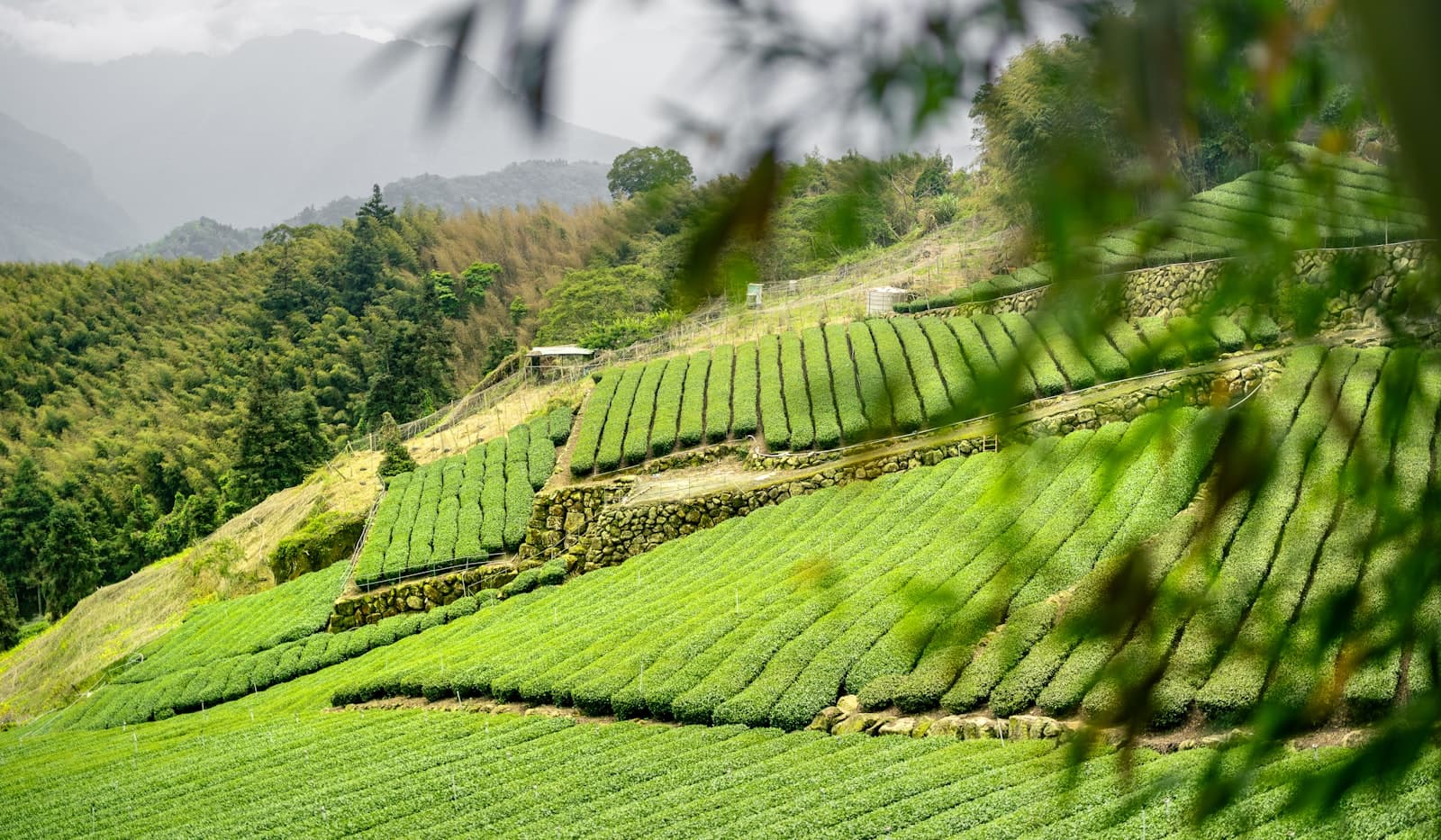
Why Peru is a “sleeping giant”
- High global output: one of Latin America’s leading producers, with large export volumes
- An organic powerhouse: one of the world’s largest organic coffee producers; among the top for Fairtrade-certified volume too
- A country of smallholders: most growers farm a few hectares or less; cooperatives carry the trade
- Long anonymous: sold by quantity over quality, mostly as blending stock. Little fame as a single origin
- Emerging specialty: since joining the Cup of Excellence in 2017, high-quality lots have drawn the world’s eye
There is a surprising backstory to Peru becoming an organic powerhouse. Many smallholders sit in remote mountains, with little money or supply chain for chemical fertilizers and pesticides to begin with. As a result, “near-pesticide-free” farming was already common. Add the organic-certification system on top, and the country became one of the world’s leading organic producers. In a sense, “organic by necessity” was the starting point.
Flavor profile — clean and gentle
The Peru archetype is clean and mild, with gentle sweetness and good balance. Nut, milk-chocolate and soft-caramel flavors with a light, quiet acidity. A medium body that is neither too heavy nor too light makes it an easy-drinking honor student. It is perfect for those who want a “crisp, easy cup” over stimulation.
- Sweetness / flavor: nuts, milk chocolate, caramel. Gentle and approachable
- Acidity: light and quiet. The soft brightness of citrus
- Body: medium and smooth. A clean finish
- Top lots: high-altitude specialty can show floral, stone-fruit and black-tea delicacy
Because Peru is “round and easy to drink,” it suits people who dislike sharply acidic coffee or who drink a lot every day. It is also popular as decaf stock; chemical-free Swiss Water organic decaf often uses Peruvian beans. If you want to cut caffeine, see how to choose decaf.
Growing regions — north, central, south
Peru’s coffee regions are scattered widely across the country along the Andes. They divide broadly into north, central and south, with the north at the center for both volume and quality.
- North (Cajamarca, Amazonas, San Martín): the largest growing belt. Jaén and San Ignacio are treasure troves of high-quality lots
- Central (Junín, Pasco, Huánuco): traditional areas like Chanchamayo. A balanced cup
- South (Cusco, Puno): Cusco near Machu Picchu, and Puno near the Bolivian border. High altitude, delicate flavor
- Altitude: mostly 1,000–2,000m. Top lots grow above 2,000m
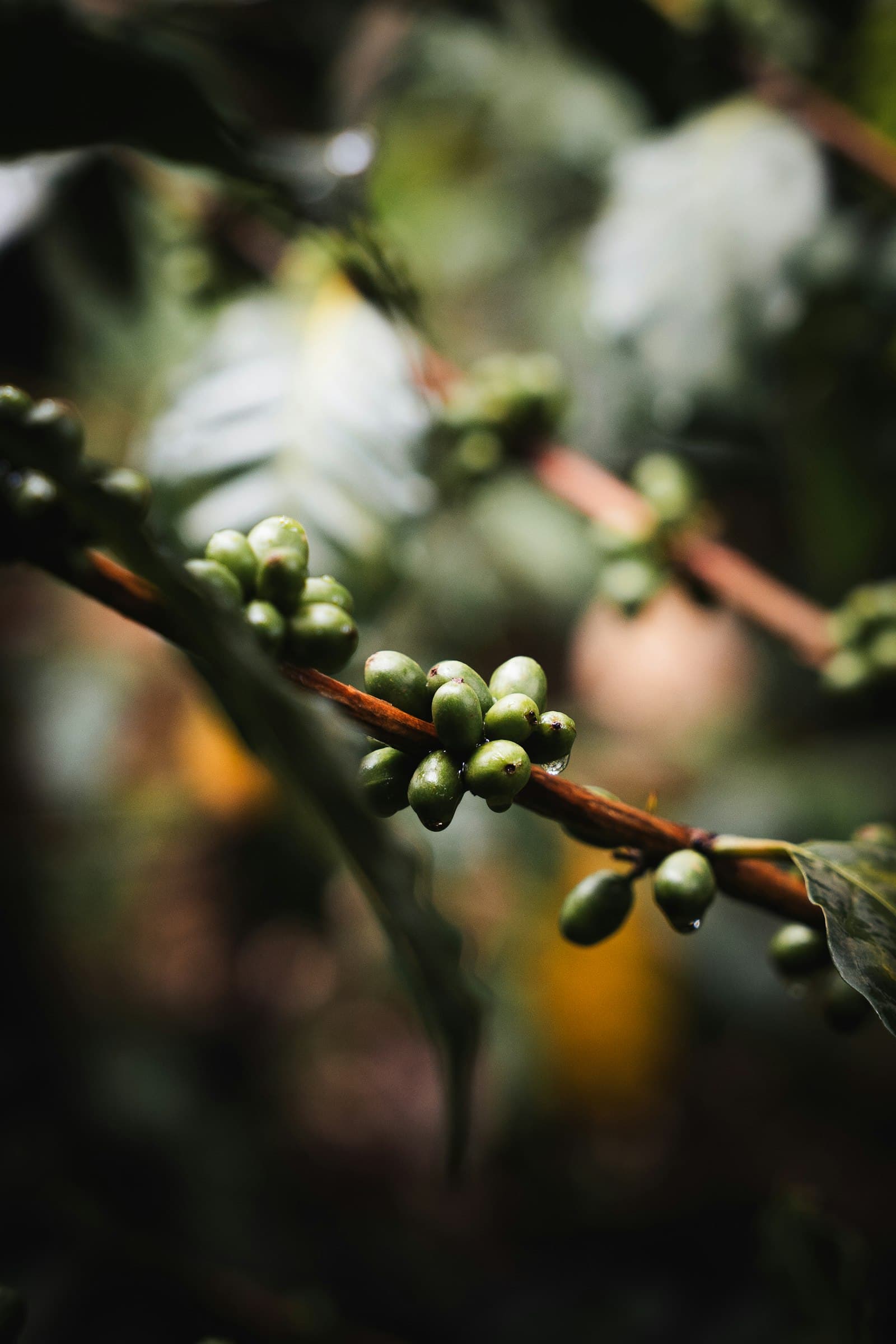
Smallholders and cooperatives — the system that carries Peru’s coffee
The keys to understanding Peru’s coffee are “smallholders” and “cooperatives.” Most growers are family operations with small plots of 1–3 hectares. Because each farm’s harvest is tiny, they form cooperatives to pool, process and export their beans. Fairtrade and organic certifications are often obtained at the cooperative level. Co-ops also play a role in supporting smallholders’ livelihoods through minimum-price guarantees and premiums.
Fairtrade’s mechanism is distinctive in guaranteeing a minimum price even when the market crashes, plus adding a “premium” for community development. The international coffee market (the C-market) swings wildly and often falls below the cost of production. For Peru, with so many smallholders, this kind of price safety net is vital. We organize the full picture of certifications in the coffee certifications guide.
Why it stayed anonymous for so long
Despite all that volume, there are reasons Peru was not famous as a single origin. One is weak infrastructure in remote smallholder lands: roads to move harvested beans, drying and processing facilities, and quality control are hard to set up, making it hard to assemble consistent lots. Another is that the market long optimized for selling on “quantity and certification” (bulk blending and organic beans). Stable supply was prioritized over competing on quality. That structure is now changing fast with the specialty turn.
- Infrastructure challenges: remote, with roads, drying and processing hard to develop. Sorting quality lots was difficult
- Blend optimization: a market centered on quantity and certification (organic, Fairtrade)
- Quality awakening: joining the 2017 Cup of Excellence was the turning point. Famous high-altitude lots began to be known worldwide
Processing and grading
- Processing: almost all washed. One reason for the clean cup. Honey and natural attempts are growing recently
- Varieties: Typica, Bourbon, Caturra, Catuai, Pache, and the disease-resistant Catimor
- Grading: by altitude and defect count. Specialty is evaluated by cupping score
- Drying: sun-drying is standard. Smallholders often dry in their own yards or patios
Ties to environment and society
Peru’s coffee is also deeply tied to environmental and social issues. Much of it is shade-grown under forest canopy, helping protect the biodiversity of the Andes and the Amazon’s edges. Meanwhile, there are projects supporting the switch from coca to coffee, and cooperatives of women producers — community-building through coffee is thriving. Choosing a cup of Peru is also a way to support these smallholders’ livelihoods.
How to brew it
Peru’s strength is a clean, well-balanced gentleness. With few off-notes, it brews well no matter the method. Medium-roast paper drip is the royal road, but it also pairs well with milk and works as a base for café au lait or lattes.
Baseline ratio for the V60 (1:16)
Beans 15g / Water 240g
- Roast: medium is the classic. A medium-dark roast adds chocolate and body
- Water temp: 90–93°C. Draws out the gentle sweetness in balance
- Brewing: clean paper drip. Mellow in a French press too
- Great with milk: with few off-notes, an easy base for café au lait and lattes
FAQ
What does Peru coffee taste like?
Clean and mild, with gentle sweetness and good balance is the baseline. Nut, milk-chocolate and caramel flavors with a light, quiet acidity. Free of off-notes and easy to drink, it suits those who want a “crisp, everyday coffee.” High-altitude specialty lots also reveal floral and black-tea delicacy.
Why is so much organic coffee from Peru?
Because remote smallholder lands are common and farming with little chemical fertilizer or pesticide was already the norm. The organic-certification system then spread, making it one of the world’s largest organic coffee producers. The ease of obtaining certification at the cooperative level is another reason organic and Fairtrade beans are so common.
How is Fairtrade different from ordinary coffee?
Fairtrade guarantees producers a minimum price even when the international market falls, and adds a premium for community development. The aim is to shield smallholders’ livelihoods from price swings. It does not guarantee the flavor itself, but it supports sustainable production. See the coffee certifications guide for details.
For many people, Peru may still be an origin you “have heard of but do not really know.” But in the Andean highlands, the clean, sweet coffee smallholders grow with care is quietly raising its reputation. Next time you spot an “organic” or “Fairtrade” label, peek at the country of origin. If it says “Peru,” we hope you will remember the story of this sleeping giant.
Was this article helpful?
Choose & compare
Related links
More articles
Natural vs Washed: How Processing Changes the Taste
CultureThe Complete Guide to Coffee Certification Labels: Fairtrade, Organic and Rainforest Alliance
CultureHow Decaf Is Made and How to Choose It: A Delicious Caffeine-Free Cup
BeansThe Science of Roasting — Why a Green Bean Turns Into That Aroma and Color, from the Maillard Reaction to Second Crack