Skip to content
Peru coffee
9PROD. RANK · No.09Peru

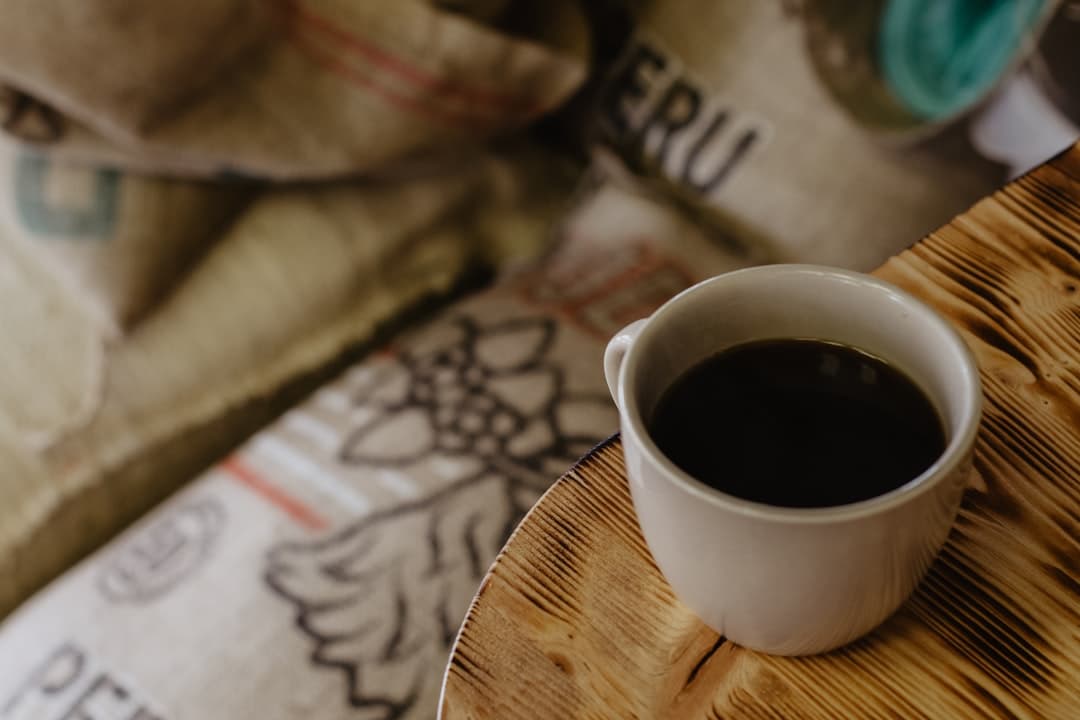
Photo by René Porter on Unsplash

South America · ORIGIN No.09

ペルー

One of South America's leading organic coffee origins, grown in the high Andes.

arabicawashed / natural
Log a tasting
§ 01
KEY FIGURES

Key figures

Production rank
World No.9
South America
Annual production
4.2M bags
60kg / bag
Recommended roast
Medium-light
medium light
Certifications
organic, fair_trade
Certified
§ 02
OVERVIEW

Overview

One of South America's leading organic coffee origins, grown in the high Andes. A smallholder-led system with strong fair-trade affinity.

§ 03
HISTORY · TERROIR · CULTURE

History & culture

Peru is one of the world’s largest exporters of organic coffee, known for smallholder farms spread along the eastern slopes of the Andes. Grown at 1,200–2,000m in Cajamarca, Amazonas, San Martín, Cusco and Puno, the cup is most often gentle and balanced: chocolate and caramel sweetness layered with quiet fruit and florals.

A world leader in organic exports

Peru ranks among the very top exporters of certified organic coffee. A production base of smallholders and cooperatives, never dependent on synthetic fertilizer or pesticides, proved naturally compatible with organic farming. Farms deep in the Andes, far from road infrastructure, kept their traditional methods — which in turn eased the path to organic certification. Often paired with fair trade, Peru is a key source for the market that wants coffee mindful of both environment and grower.

Smallholders on the eastern Andean slopes

Peruvian coffee grows in the valleys of the eastern Andes as they descend toward the Amazon. The northern band — Cajamarca, San Ignacio, Amazonas — draws particular attention lately, where altitude and clean water raise transparent cups. Some 220,000 smallholder families sustain the crop; plots are small, hand-picking and sun-drying the norm. Typica, Bourbon, Caturra and Catimor grow side by side.

Re-evaluation as specialty

Peruvian coffee was long seen as "mild and unremarkable," treated as soft blending stock. But since the Cup of Excellence arrived in 2017, individual farms and micro lots have drawn international attention, with floral, tropical top lots trading high. Through better infrastructure and producer education, the axis of evaluation is widening — from "cheap organic" to "high-grade specialty."

§ 04
FLAVOR PROFILE

Flavor profile

Production world shareNo. 9
Max altitude max altitude2,100 m
Growing regions growing regions3 regions

Computed from all of Peru’s regions. Max altitude references the SCA-recommended 1,500–2,200m.

FloralFruityAcidityChocolateNuttySpiceBodySweetness
§ 05
FOOD PAIRING

Food pairing

Macaron
echoes the bright aromatics
Wagashi
complements the delicate sweetness
Earl Grey scone
layers the floral notes
Lemon cake
bright acidity pops
Fruit tart
citrus flavor shines
Yogurt
clean and crisp
§ 06
GROWING REGIONS · 3

Growing regions

§ 07
BREW GUIDE

Recommended brewing

Paper drip
90℃ · Medium
Temp
90
Ratio
1:15
Time
3 min
Grind
Medium

Brings out mild acidity and sweetness. Cooler extraction is the trick to a clean cup.

French press
91℃ · Coarse
Temp
91
Ratio
1:14
Time
4 min
Grind
Coarse

A weighty take on the chocolate and fruit flavors.

§ 08
RELATED READING

Reading about Peru

§ 09
WHERE TO BUY

Find Peru coffee

Check stock and prices on each retailer. Links marked “PR” are affiliate links; a purchase may earn this site revenue.

§ 10
ROASTERS

Roasters carrying this origin

§ 11
SUBSCRIPTIONS

Subscriptions delivering this origin

Subscription
§ 12
SIMILAR ORIGINS

Similar origins

§ 13
KINDRED REGIONS

Kindred-flavor regions

Starting from flavors common to all of Peru’s regions, here are 3 similar regions from other countries.