Guatemala Coffee Deep Dive: A Flavor Map Drawn by Eight Volcanic Regions
A leading Central American specialty origin, with diverse profiles born of microclimates
Antigua, Huehuetenango, Atitlán — Guatemala is a "country of microclimates" whose taste differs astonishingly by region. We dissect the strength of this Central American specialty, supported by volcanic soil and the quality control of the producer body ANACAFÉ, along with a map of its regions.
Contents · 8
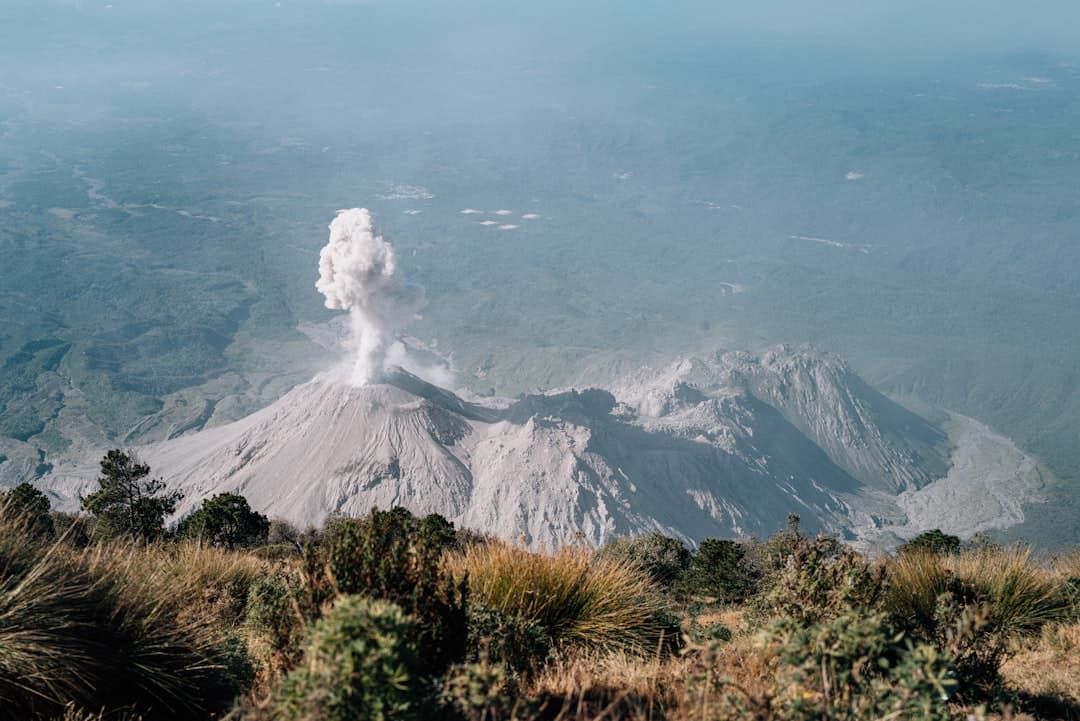
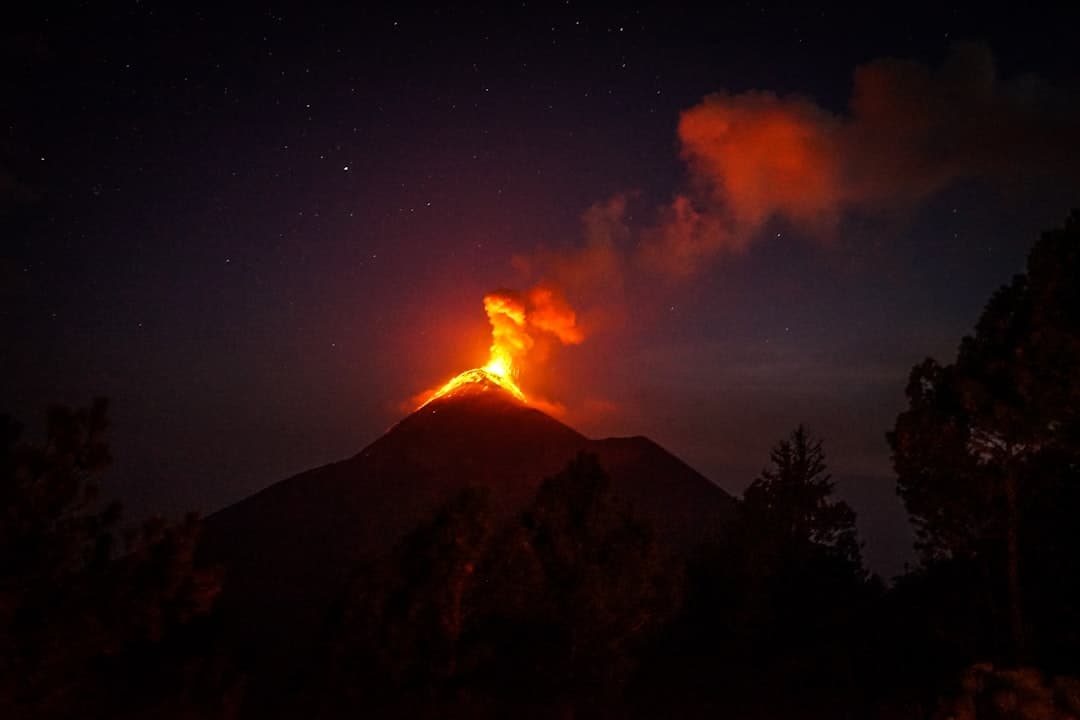
If you name "a country that rarely misses" in the specialty world, Guatemala is always a candidate. In an area about the size of Japan, 37 volcanoes crowd together, and altitude, rainfall and soil change greatly from place to place — this "mosaic of microclimates" produces an astonishingly diverse range of tastes within a single country. From an Antigua as sweet and heavy as chocolate to a Huehuetenango as showy as peach and flowers. Let us look at eight regions along with a map.
Why is Guatemala a "country of microclimates"?
The land is about a third of Japan's, yet a volcanic belt runs along the Pacific side, the interior is highland, and the north is rainy subtropical rainforest — terrain and climate change dizzyingly over short distances. The producer body ANACAFÉ (the National Coffee Association) organized this diversity and defined eight official regions by flavor tendency. Even the same "Guatemala," if you see the region name, lets you read the flavor direction fairly well — that is this country's fascination.
- 37 volcanoes across the land. Mineral-rich volcanic-ash soil supports sweetness and body
- The major regions are highlands at 1,300–2,000m. The day-night temperature swing raises acidity and sweetness
- Almost 100% Arabica. Bourbon, Caturra, Catuai, Typica, and Pacamara
- Processing is washed-dominant and clean
- ANACAFÉ sets eight official regions and manages quality and brand
ANACAFÉ's eight regions are Antigua / Acatenango Valley / Atitlán / Cobán / Fraijanes / Huehuetenango / San Marcos / Nuevo Oriente. If this name is on the bag, you can back-read the flavor tendency from the map.
A guide to the major regions
We look mainly at five representative regions whose taste character divides clearly.
Antigua — the flagship region ringed by volcanoes
- Altitude: 1,500–1,700m
- Flavor: chocolate, caramel, spice, smoky; a heavy body and moderate acidity
- Notable: a basin ringed by the three volcanoes Agua, Fuego and Acatenango. The world-renowned "the Guatemala." The volcanic-ash soil retains moisture and produces stable quality
Huehuetenango — the showiness of the highest point
- Altitude: 1,500–2,000m (among the highest in the country)
- Flavor: fruity, floral, peach, lime; bright acidity
- Notable: a mountain area on the Mexican border. Dry hot winds prevent frost and enable high-altitude cultivation. A showy specialty region, a COE regular
Atitlán — the power that the lake raises
- Altitude: 1,500–1,700m
- Flavor: cacao, citrus, nut, apple; high acidity and full body
- Notable: the shores of Lake Atitlán, ringed by volcanoes. Steam off the lake and mineral soil create a distinctive depth
Cobán — floral of mist and rain
- Altitude: 1,300–1,500m
- Flavor: herb, lime, chocolate, citrus; delicate and floral
- Notable: a rainy subtropical-rainforest climate. Mist hangs year-round, and beans that ripen slowly are delicate and complex
Fraijanes — bright acidity near the city
- Altitude: 1,400–1,800m
- Flavor: citrus, a sweet aroma, creamy; bright acidity
- Notable: near the capital, the volcanic-ash soil of the Pacaya volcano. A well-balanced, bright flavor
Including the remaining three regions — Acatenango Valley (a heaviness like Antigua's), San Marcos (early flowering and floral aromas), and Nuevo Oriente (an emerging volcanic region, chocolatey) — whichever you choose, each character rides on the shared base of "volcano × highland."
Varieties: Bourbon and Pacamara
- Bourbon: the traditional mainstay. A good balance of sweetness and complexity
- Caturra / Catuai: widespread for yield and ease of handling. A clean taste
- Typica: the oldest line. Survives in rare high-quality lots
- Pacamara: a large-bean variety of Pacas × Maragogipe. Popular in Central American specialty, showy and distinctive
Processing and roast
Guatemala is traditionally washed-dominant, and the regional character shows cleanly. For roasting, medium is the sweet spot. We recommend medium-dark for Antigua and Atitlán to bring out their chocolate quality, and light to medium for Huehuetenango and Cobán to draw out their showy acidity. In recent years, experimental natural, honey and anaerobic (oxygen-free fermentation) lots have increased too.
Recommended brewing
- All-purpose: hand drip with a V60, water at 92°C, ratio 1:15
- Antigua line (heavy): medium-dark + French press to enjoy the body
- Huehue line (showy): light to medium + V60 to lift the acidity and aroma
- Espresso: balanced, good both as a blend base and on its own
Roasters where you can buy in Japan
- Maruyama Coffee: regularly carries COE-winning Guatemala lots
- Horiguchi Coffee: its classic Antigua-line Guatemala is the flagship
- Doi Coffee: an Antigua with reliable quality in medium-dark
- Various specialty shops: shops carrying light-roast Huehuetenango lots are increasing
Tips for the next time you choose
- Check the "region name" on the bag (Antigua = heavy / Huehue = showy, as a guide)
- If you like heavy and sweet, Antigua or Atitlán
- If you like bright and fruity, Huehuetenango or Cobán
- Medium to medium-dark is the safe roast level. If unsure, a medium-dark Antigua
Frequently asked questions
Which region should I try first?
If unsure, a medium-dark from the flagship region Antigua is the royal road. With the sweetness of chocolate and caramel and a moderate acidity, it rarely misses. If you prefer a bright, fruity taste, go for a medium-roast Huehuetenango, the highest point. Tasting these two side by side gives you a grasp of Guatemala's range.
Does "Antigua" on the label mean the real thing?
Because Antigua is world-famous, beans that borrow the region name unfortunately circulate too. What you can trust is a lot with the APCA (Antigua producers' association) Genuine Antigua certificate of origin, or one that names the farm and the ANACAFÉ region. The key is whether the roaster discloses the information.
Why do volcanoes matter to Guatemala's taste?
Volcanic-ash soil is mineral-rich with a good balance of drainage and water retention, forming the base of sweetness and body. On top of that, the day-night temperature swing typical of highlands slowly raises acidity and sweetness. Guatemala's "volcano × highland" combination is the very source of each region's complex character.
Guatemala is a rare country where you can taste "easy-to-grasp deliciousness" and "region-by-region depth" in a single bag. Next time you choose beans, pick a specialty that names the region, not one labeled only "Guatemala." Within the same country, completely different volcanic tastes are waiting.
Was this article helpful?
Choose & compare
Related links
More articles
The Science of Coffee Aroma — The Story of the “800 Molecules” Rising From a Single Cup
BeansThe Coffee Belt and Terroir — Why Coffee Grows Only in the “Equatorial Band,” and Why Each Origin Tastes Different
BeansNatural vs Washed: How Processing Changes the Taste
BeansThe Bourbon Variety — the Origin of Specialty