Skip to content
Guatemala coffee
10PROD. RANK · No.10Guatemala

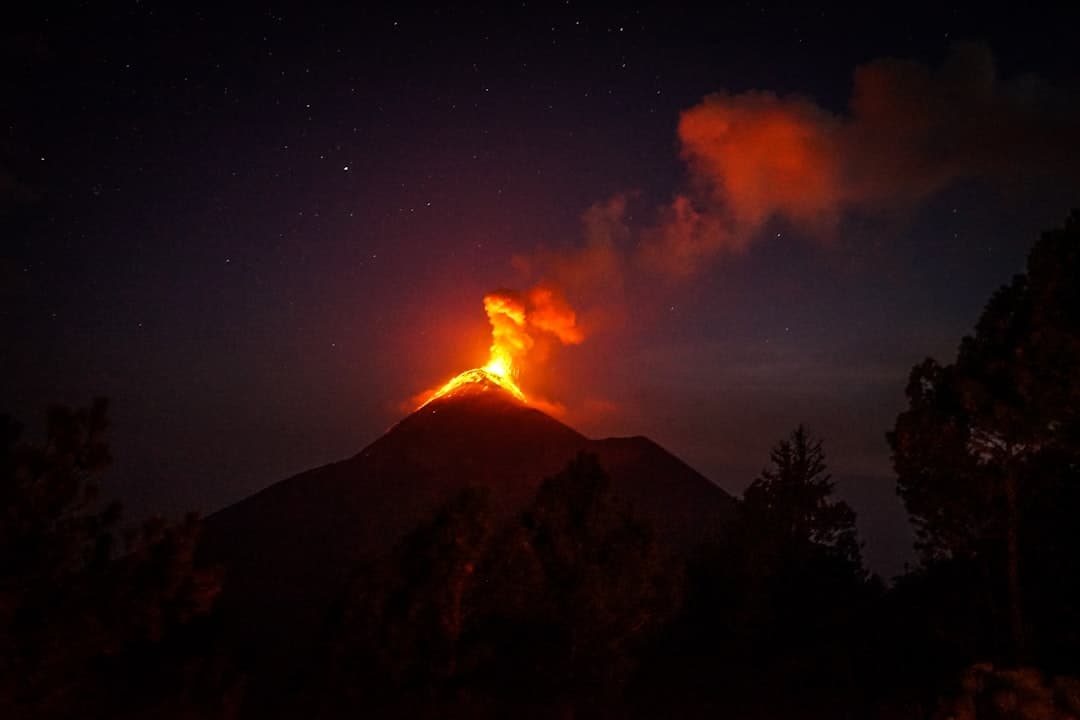
Photo by Aaron Thomas on Unsplash

Central America · ORIGIN No.10

グアテマラ

Volcanic soils and diverse microclimates produce complex flavors.

arabicawashed
Log a tasting
§ 01
KEY FIGURES

Key figures

Production rank
World No.10
Central America
Annual production
4.0M bags
60kg / bag
Recommended roast
Medium
medium
Certifications
organic, fair_trade
Certified
§ 02
OVERVIEW

Overview

Volcanic soils and diverse microclimates produce complex flavors. ANACAFÉ handles quality control.

§ 03
HISTORY · TERROIR · CULTURE

History & culture

Guatemala is Central America’s flagship specialty producer, known for the balance of quality and diversity woven from volcanic soils, high altitude and smallholder farms. Antigua, Huehuetenango, Cobán and the rest each carry a clearly different personality — a diversity that resists any single "Guatemala" label and is exactly its appeal in the specialty market.

Antigua, Huehuetenango, Atitlán — the eight regions

Guatemala’s national coffee association, Anacafé, classifies the country’s growing areas into eight official regions: Antigua, Acatenango, Atitlán, Cobán, Fraijanes, New Oriente, San Marcos and Huehuetenango. Each pairs altitude, soil and climate differently — Antigua reads as volcanic-soil chocolate and smoke, Huehuetenango as high-altitude bright citrus and florals, Cobán as delicate acidity shaped by its long rainy season — so every region rewards a different kind of attention.

Smallholders and coffee cooperatives

Guatemalan coffee is sustained by roughly 125,000 small family farms. Many belong to cooperatives that process, dry and export jointly. Participation in the Cup of Excellence is active, and multiple micro lots trade at high prices on the world market every year. In Japan, direct-trade-leaning roasters such as Maruyama Coffee, Horiguchi Coffee and Unir carry Guatemalan smallholder lots.

Bourbon, Caturra, Pacamara — tradition and innovation in varieties

Guatemala’s traditional varieties are Bourbon and Typica, still grown above 1,500m. At low and mid elevations, disease-resistant Caturra and Catuaí are widely planted, and lately the country’s own stars like Pacamara (a Maragogipe × Pacas cross with large beans and complex flavor) draw attention. Because altitude, variety and process shift the character so much, "a washed Bourbon from Huehuetenango" and "a honey Pacamara from Antigua" drink like two different beverages — both Guatemalan.

§ 04
FLAVOR PROFILE

Flavor profile

Production world shareNo. 10
Max altitude max altitude2,000 m
Growing regions growing regions5 regions

Computed from all of Guatemala’s regions. Max altitude references the SCA-recommended 1,500–2,200m.

FloralFruityAcidityChocolateNuttySpiceBodySweetness
§ 05
FOOD PAIRING

Food pairing

Macaron
echoes the bright aromatics
Wagashi
complements the delicate sweetness
Earl Grey scone
layers the floral notes
Lemon cake
bright acidity pops
Fruit tart
citrus flavor shines
Yogurt
clean and crisp
§ 06
GROWING REGIONS · 5

Growing regions

§ 07
BREW GUIDE

Recommended brewing

Paper drip
92℃ · Medium
Temp
92
Ratio
1:15
Time
3 min 30 sec
Grind
Medium

Enjoy the balance of milk chocolate and citrus. Steady extraction at a medium temperature is the key.

French press
93℃ · Coarse
Temp
93
Ratio
1:14
Time
4 min
Grind
Coarse

A substantial, full-flavored cup with complex flavor.

§ 08
RELATED READING

Reading about Guatemala

§ 09
WHERE TO BUY

Find Guatemala coffee

Check stock and prices on each retailer. Links marked “PR” are affiliate links; a purchase may earn this site revenue.

§ 10
ROASTERS

Roasters carrying this origin

§ 11
SUBSCRIPTIONS

Subscriptions delivering this origin

Subscription
§ 12
SIMILAR ORIGINS

Similar origins

§ 13
KINDRED REGIONS

Kindred-flavor regions

Starting from flavors common to all of Guatemala’s regions, here are 3 similar regions from other countries.