Brazil Coffee Deep Dive: The Many Faces of the World's Largest Producer
Cerrado, Sul de Minas, Mogiana. The true ability of the "base country"
Brazil produces about a third of the world's coffee. The image of "a blend base" is strong, but its reality is astonishingly diverse. We dig into everything from the nutty, chocolatey character the lower altitude creates to its recent specialty surge.
Contents · 9
Somewhere in your daily coffee, Brazil is almost always present. The world's largest producer, yet with a strong "behind the scenes" impression — that is Brazil. Its reality, however, is a huge and diverse origin holding everything from commodity to world-class specialty.
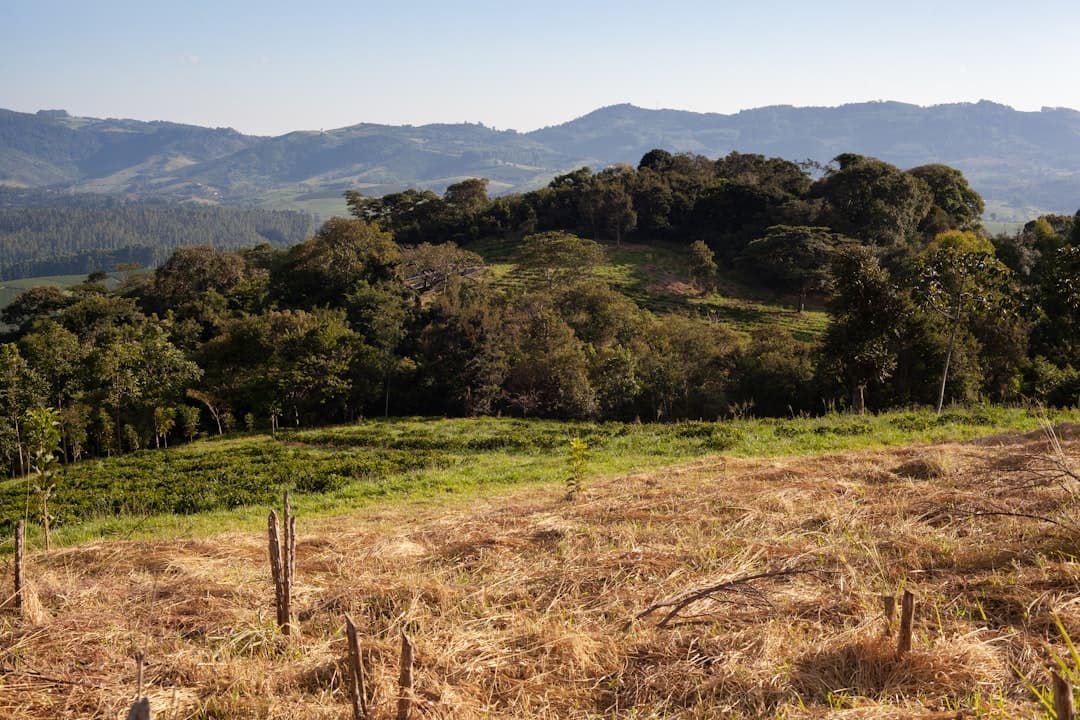
The world's largest producer
Brazil bears about 30% of the world's production — an overwhelming production giant. In the late 19th century there was even a period when it accounted for 70% of the world. The vast plateaus (the cerrado) of São Paulo and Minas Gerais suit large-scale, mechanized cultivation, and that stable supply sways the world market.
History, and the "frost" that moves the market
Brazilian coffee began in the north in the 18th century and expanded explosively in the 19th century on the fertile soil of the southeast (terra rossa = purple earth). The vast, flat terrain suits mechanization, allowing everything from harvest to processing on a large scale at low cost. On the other hand, the southern regions carry the risk of frost (geada) in winter (June–August, corresponding to Japan's summer). When large-scale frost damage occurs, the coffee trees are harmed and the next year's harvest drops sharply, sometimes sending world coffee futures soaring. The weather in Brazil, on the other side of the planet, reaches even the price of the cup you drink in Japan.
Why the "nut and chocolate" profile?
Compared with other Central and South American origins, Brazil's cultivation altitude is lower (roughly 800–1,200m). At low altitude, rather than bright, sharp acidity, a sweetness like nut, chocolate and caramel and a thick body take the lead. This "gentle acidity, sweet and easy-drinking" nature is exactly why Brazil is chosen as the foundation of blends worldwide.
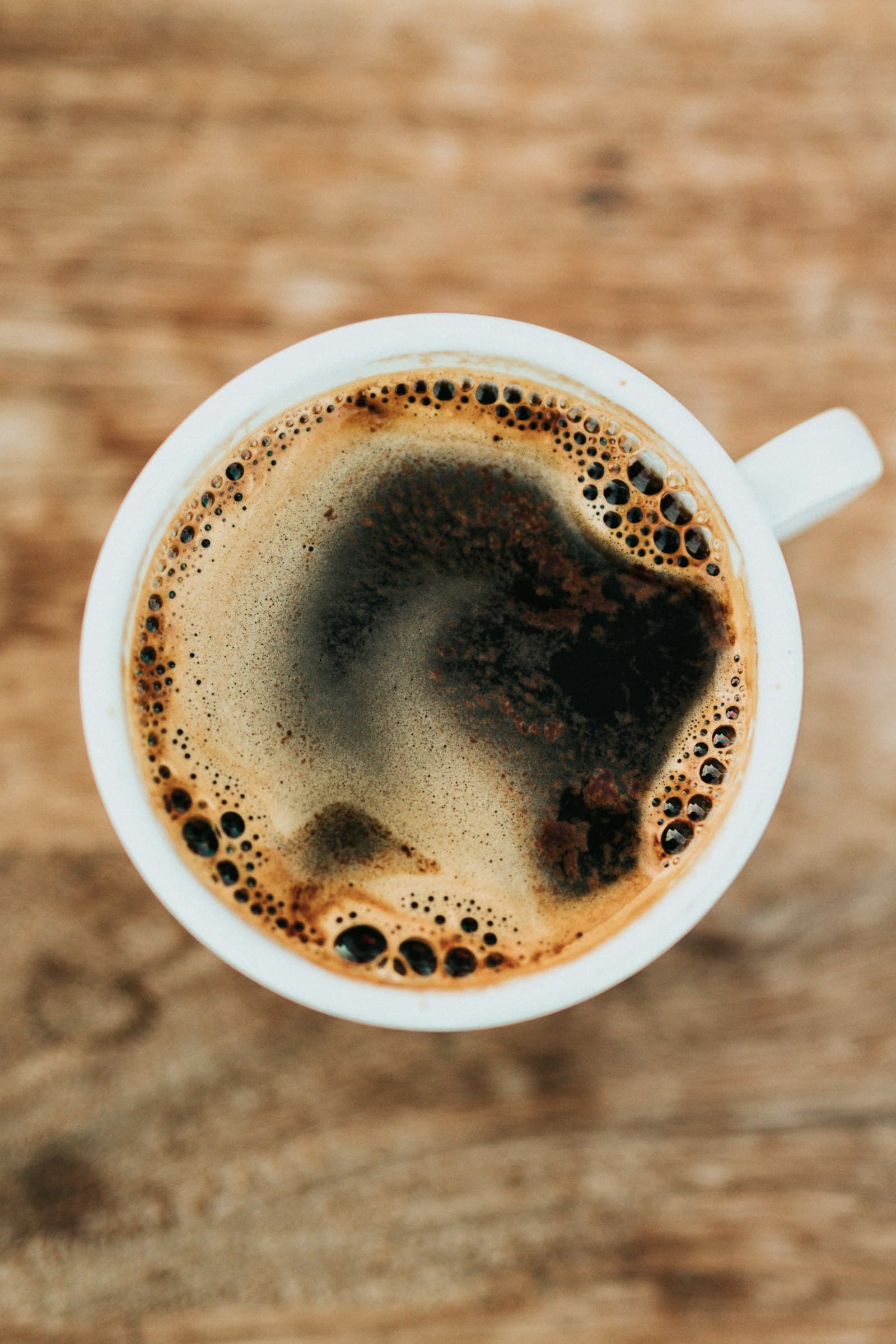
The line-up of major regions
- Cerrado Mineiro: the plateau that was the first in Brazil to gain a denomination of origin (DO). Clean and stable
- Sul de Minas (southern Minas): one of the country's largest producing areas. The balanced-type standard
- Mogiana: a traditional region on the São Paulo–Minas border. Sweetness and richness
- Matas de Minas: mountainous and smallholder-centered. Distinctive lots too
- Espírito Santo: the main producing area for robusta (conilon)
Processing: natural and pulped natural
Brazil is the home of natural processing (sun-drying the whole fruit), making the most of its dry climate. It transfers the fruit's sweetness to the bean and maximizes body and sweetness. Furthermore, "pulped natural (cereja descascado)," in which only the fruit is removed and the mucilage is left on to dry, is a moderate method that originated in Brazil, balancing cleanness and sweetness.
As an espresso base
Without raising acidity too much, with stable sweetness and body, Brazil is the presence that supports the "bottom" of multi-origin blends. In espresso especially, it produces a richness and chocolate quality that does not lose to milk, plus a stable crema, so it is used as the base of blends worldwide.
If you like café au lait or cappuccino, a single dark-roast Brazil pairs well too. Try its "chocolate-like sweetness" when combined with milk.
From "commodity" to "specialty"
While Brazil has a strong mass-production image, it is also the country where the quality competition Cup of Excellence (COE) was first held in the world, in 1999. High-quality lots, with varieties like Yellow Bourbon, Mundo Novo and Catuai carefully grown in high-altitude plots, are regulars at international competitions. Not only "cheap Brazil" but also "astonishingly sweet Brazil" certainly exists.
How to read the label ── No.2, screen, soft
Brazil has its own grading, and being able to read the label reveals the quality band. There are three pillars. (1) A grade by the number of defective beans, where traditionally "No.2" is effectively the top rank (the smaller the number, the fewer the defects). (2) The bean size called "screen," where 17/18 are large, premium beans. (3) The cup (the drinking impression) evaluation, expressing freedom from off-flavors in the order "Strictly Soft > Soft > Hard > Rio." For example, "Brazil Santos No.2 S18 Strictly Soft" reads as a fine lot with few defects, large beans and a clean cup (Santos is a traditional name derived from the shipping port).
FAQ
Why is Brazil often cheap?
Because it can mass-produce on vast, flat land with mechanization, and the volume distributed as commodity is overwhelming. But that is the "average picture"; farm-focused microlots and top COE lots are in a completely different world in both price and quality.
Can you enjoy single-origin Brazil too?
Of course. The clear sweetness of nut and chocolate is well-rounded on its own and pairs well with dark roasts and café au lait. Top COE Yellow Bourbons and the like are sweet and showy enough to overturn your image of Brazil.
What is the recommended brewing?
Drip a medium-dark to dark roast, or use it for espresso or café au lait. Since the acidity is gentle, enjoying a solid body in a French press suits it too.
What are Brazil's main varieties?
Brazil is a major home of Arabica's principal varieties. The headliners are Mundo Novo, a natural cross found in Brazil (productivity and strength); its selection Catuai, short in stature and easy to grow; and Yellow Bourbon, highly rated for sweetness and delicacy (a yellow-fruited Bourbon type). Lately more farms take on Geisha and rare varieties too, raising their presence at competitions.
What region is "Santos"?
"Santos" is not a growing region but the name of the port in São Paulo state from which coffee ships. Historically much Brazilian coffee was exported from this port, so "Brazil Santos" took hold as a byword for fine Brazilian coffee. The actual growing areas are inland plateaus like Sul de Minas and Mogiana. Read "Santos" on a label as "a traditional name that also implies a quality guide."
Next time you drink a blend, turn a little attention to the "Brazil" on the label. That smooth sweetness and richness is exactly the unsung lead that has quietly supported the world's coffee.
Was this article helpful?
Origins in this article
Choose & compare
Related links
More articles
Coffee and Climate Change — The “2050 Problem” and the Science of Our Cup’s Future
BeansThe Coffee Variety Family Tree — Reading the “Genealogy” That Begins with Typica and Bourbon
BeansThe Coffee Belt and Terroir — Why Coffee Grows Only in the “Equatorial Band,” and Why Each Origin Tastes Different
BeansThe Science of Coffee Acidity — What Fruitiness Really Is, and How It Differs from “Sour”