How to Find the Drinking Window from the Roast Date
The science of the flavor peak and the signs of decline
Learning path · Beginner/Chapter 1
One of the 7 chapters in this level. Tap the button on the right when you finish reading to log your progress.
"Freshest off the roast is best" is actually a little off. Understand the timing of CO₂ degassing and oxidation, and find the optimal moment for your own beans.
Contents · 9
Coffee begins to "decline" the moment it is roasted. Yet right after roasting it is not at its best either. This looks like a contradiction, but it is not. The key is the carbon dioxide (CO₂) escaping from inside the beans.
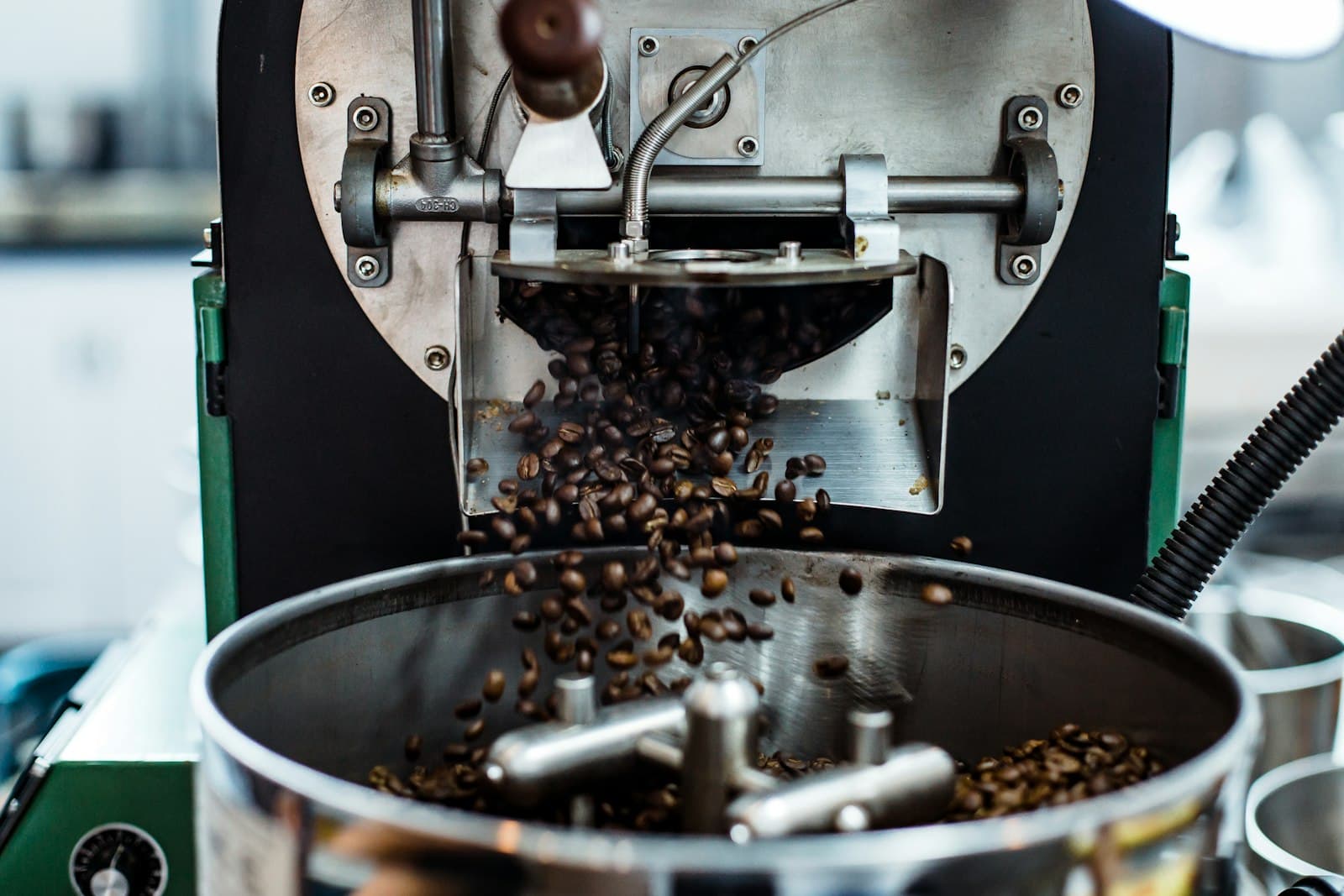
The first days after roasting: degassing
Roasting generates a large amount of carbon dioxide (CO2) inside the beans. For the first 1–3 days this CO2 has not fully escaped, so pouring water causes vigorous bubbling (bloom) and unstable extraction. The taste often feels "gassy" or "flat."
Rough degassing guide: light roast → about 3–7 days / medium → about 2–5 days / dark → about 1–3 days.
The peak window: 2–4 weeks
Once the CO2 has escaped moderately and the aromatics stabilize, the 2–4 week window is the peak. Flavor is clearest and the bloom swells beautifully. Many specialty roasters set "Best by" as roast date + 30 days.
Drinking-window quick reference by roast level
Because degassing speed varies with roast level, the peak shifts a little too. Below is a guide to "counting from the roast date, roughly when the drinking window falls." It is only a starting point, so fine-tune by comparing your own beans at week 2 and week 4.
- Light roast: degassing 3–7 days → peak window 7–28 days. Wait a little for the acidity to settle and the sweetness comes up
- Medium roast: degassing 2–5 days → peak window 5–25 days. The most forgiving band, with the fewest failures
- Dark roast: degassing 1–3 days → peak window 3–18 days. Aim early, before the oils surface
- For espresso: wait the degassing out, 7–21 days. Too early and the crema runs wild and extraction will not stabilize
Why extraction is unstable right after roasting
Freshly roasted beans hold a large amount of CO₂. The instant you pour, the gas erupts and forms a layer of bubbles between the grounds and the water, so the water cannot reach the whole bed evenly. The result is "channeling": part of the bed over-extracts while part is bypassed, and the extraction turns uneven. This is the real reason a fresh roast can taste flat and gassy. Rest the beans a few days and the turbulence settles, letting your intended recipe come through faithfully. So it is not "fresher is tastier" but "there is a peak of ease to handle." Watch how the bloom swells and you can read at a glance which stage the beans are in.
- Just-roasted: the bloom surges violently and collapses fast → a sign of excess gas
- In the window: the bloom swells slowly and large and holds its shape → stable extraction
- Too far gone: the bloom barely rises → the signal that the peak has passed
- Fix 1: if you can only use them right away, take a longer bloom of 45 seconds to 1 minute to release the gas first
- Fix 2: the darker the roast, the more gas and the faster the degassing — the window comes a few days earlier than for a light roast
Signs of decline
- The bloom does not rise even when you pour (CO2 too far gone)
- Weak aroma with a papery smell (lipid oxidation)
- Sharp acidity that turns into a negative sourness
- An extremely short aftertaste
Whole bean vs. ground: a 10× difference in shelf life
Often overlooked: grinding accelerates decline dramatically. Ground coffee has vastly more surface area than whole beans, so contact with oxygen surges and aromatics start flying off within tens of minutes to a few hours. Coffee that lasts 2–4 weeks as whole beans stays "good" only a few days once ground. Grinding right before brewing is the single most effective move for freshness.
Storage tips
- Airtight container (ideally the valve bag itself — push out the air and seal)
- Room temperature, dark and dry. Avoid the stove side and direct sunlight
- Ground coffee declines in days — always grind whole beans right before brewing
- The four enemies are oxygen, light, heat and humidity. Avoiding them alone extends shelf life (see the 7 storage tips for details)
Freezing works — if you portion it
"Never freeze" is often said, but the real rule is "do not take it in and out repeatedly." If you portion into single servings, seal them, and pull out just one bag when needed, freezing is actually an excellent way to preserve freshness long term. The problem is condensation from moving a big bag in and out of the freezer repeatedly. Letting it return to room temperature before opening minimizes condensation.
Avoid refrigerator (chilled) storage. The temperature range is awkward, and coffee absorbs fridge odors like a deodorizer.
FAQ
Should I avoid beans with no roast date?
Without it you cannot count back to the drinking window, which is a disadvantage for quality control. Choose beans that show at least the roast month, ideally the roast day, and you are less likely to miss the peak.
Can I grind frozen beans right away?
For a single portion, yes — grind straight from frozen and brew (some even say the cold gives a more even grind). What to avoid is condensation from taking a big bag in and out. If you let it return to room temperature, do so before opening and wipe off any condensation first.
How soon should I finish beans after opening?
After exposing them to air, aim for two weeks if possible, and a month at the latest. Keeping in mind both the peak from the roast date (2–4 weeks) and the speed of oxidation after opening means you will not miss the tastiest stretch. Rather than buying more than you can drink, buying smaller amounts you can finish in two weeks more often results in a fresh cup every time.
What if I want to drink freshly roasted beans right away?
If you must drink them right after roasting, set the water a touch hotter (93–95°C) and take a longer bloom (45 seconds to 1 minute); the gas escapes more easily and the flatness eases. Still, they hit their stride a few days later — taste a cup or two and let the rest wait for the peak.
Judging the drinking window changes the taste far more than switching roasters. Next time you buy beans, check the roast date and compare the taste at week 2 and week 4. It will change so much you will not believe it is the same beans.
Learning path · Beginner Chapter 1 — Up next
Chapter 2 · 5 Steps to Put Your Taste Into WordsWas this article helpful?
Choose & compare
More articles
The Science of Coffee Aroma — The Story of the “800 Molecules” Rising From a Single Cup
BeansThe Science of Caffeine — Why a Single Cup Wakes You: How It Works, Its Half-Life, and How to Get Along With It
BeansPanama Coffee Deep Dive — The Volcanic Highlands That Bore Geisha, and the Story of the World’s Highest Price
BeansThe Science of Bitterness — What Separates Unpleasant “Bitter” From Pleasant “Bitterness”