The Science of Bitterness — What Separates Unpleasant “Bitter” From Pleasant “Bitterness”
From chlorogenic acid lactones to caffeine and brown pigments — tracing the true source of bitterness through chemistry, and how roasting and brewing let you shape it
Coffee means “a bitter drink” — for many people, that is the first impression. Yet bitterness is not coffee’s enemy. The pleasant bitterness that recalls bitter chocolate or cacao is the foundation of deep satisfaction and body, and the backbone that melds with sugar and milk. The question is whether that bitterness becomes “toasty depth” or a “harshness that lingers on the tongue.” What divides the two is, in fact, clear chemistry and two operations: roasting and brewing. This article traces the true nature of bitterness as a sensation, the compounds behind it, its relationship with roast level, and how to control bitterness at home. By the end, “bitter” should look less like a flaw and more like something you can design.
Contents · 7
- What bitterness is — the tongue suspecting “poison”
- The lead actors — three groups of bittering compounds
- Roasting and bitterness — the story chlorogenic acid tells
- The line between pleasant bitterness and unpleasant harshness
- Reducing bitterness at home — five levers
- Putting bitterness to work — coffee as cooking
- Frequently asked questions
Coffee means “a bitter drink” — for many people, that is the first impression. Yet bitterness is not coffee’s enemy. The pleasant bitterness that recalls bitter chocolate or cacao is the foundation of deep satisfaction and body, and the backbone that melds with sugar and milk. The question is whether that bitterness becomes “toasty depth” or a “harshness that lingers on the tongue.” What divides the two is, in fact, clear chemistry and two operations: roasting and brewing. This article traces the true nature of bitterness as a sensation, the compounds behind it, its relationship with roast level, and how to shape bitterness at home. Read alongside its companion piece, The Science of Acidity, and the skeleton of coffee flavor comes into three dimensions.
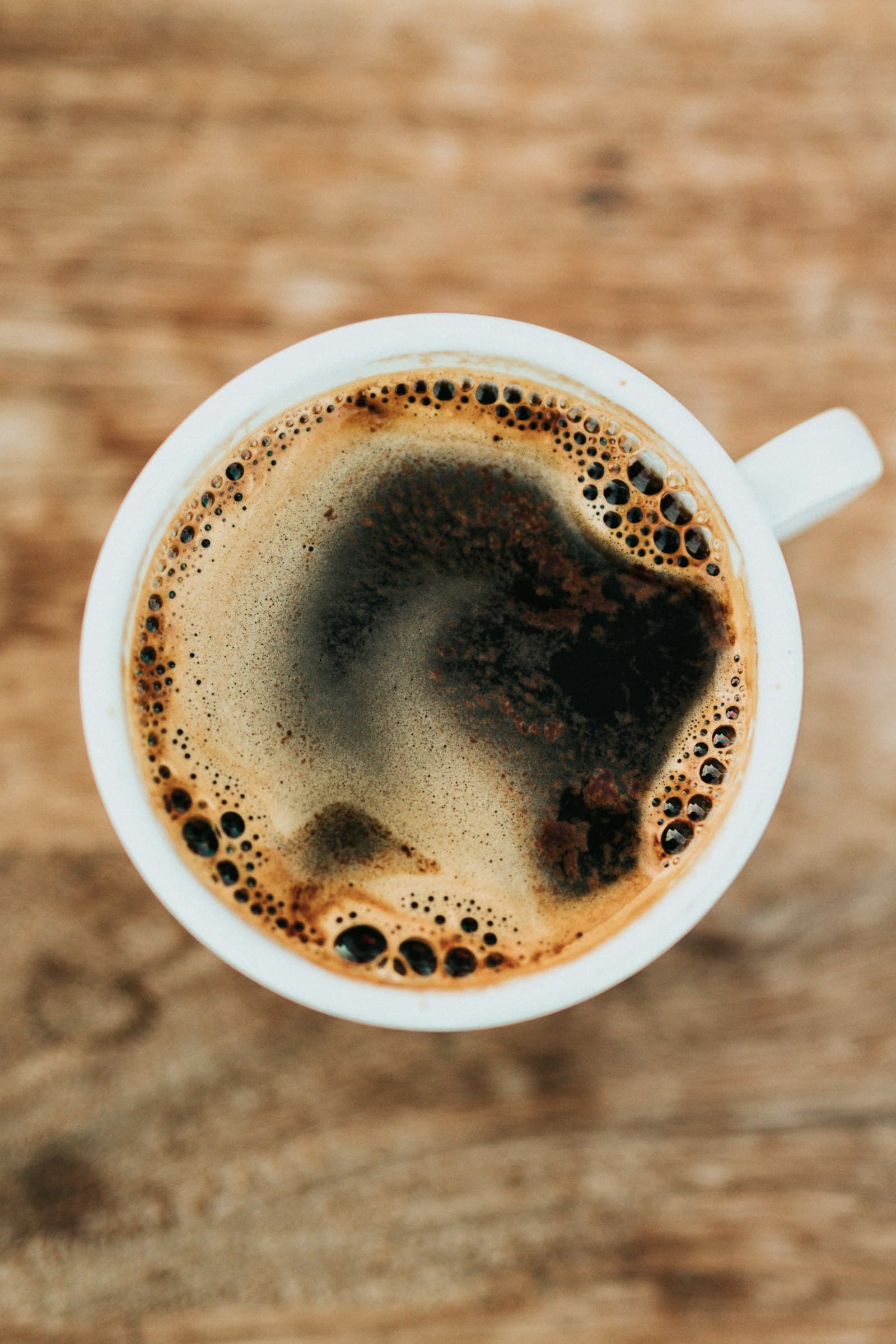
What bitterness is — the tongue suspecting “poison”
Bitterness is one of the five basic tastes our tongue perceives (sweet, sour, salty, bitter, umami). In evolutionary terms, bitterness developed as a “warning signal.” In nature, poisonous plants and alkaloids (caffeine is one) are often bitter, and animals protected themselves by avoiding bitter things. So we are born slightly wary of bitterness. When children dislike coffee or beer, this defensive instinct is simply doing its job. As adults, though, we learn through experience that “this bitterness is safe, even pleasant,” and come to enjoy the bitterness of coffee, chocolate and beer. There are more than 25 kinds of bitter-taste receptors (TAS2R) on the tongue, so a single word — “bitter” — is really a complex ensemble of many different compounds.
A common misconception is “coffee’s bitterness = caffeine.” In fact, caffeine’s share of bitterness is surprisingly small — around 10 to 20 percent of the total. That is why decaf, which contains almost no caffeine, still tastes plenty bitter. The stars of coffee bitterness are a different group of compounds, born in the roast.
The lead actors — three groups of bittering compounds
The compounds that create coffee’s bitterness fall into three broad groups. First, the “chlorogenic acid lactones” formed when chlorogenic acid breaks down during roasting. These peak around a medium roast and are the heart of coffee’s pleasant, characteristic bitterness. Second, as roasting goes further, those lactones break down one more step into a compound called “phenylindanes,” which increase in dark and very dark roasts and produce a sharp, long-lingering, somewhat harsh bitterness. Third are the “brown pigments (melanoidins)” born from sugars and amino acids during roasting. They are the color of the bean itself, and carry toastiness along with a mellow, thick-bodied bitterness and richness. In other words, a light roast has a gentle bitterness centered on lactones, while a deep roast shifts toward the sharp bitterness of phenylindanes — the lead actor changes.
- Chlorogenic acid lactones: most abundant around medium roast. The core of coffee’s pleasant bitterness
- Phenylindanes: increase in dark roasts. A sharp, long-lingering, somewhat harsh bitterness
- Brown pigments (melanoidins): the bean color born in roasting. Toastiness and thick, rich bitterness
- Caffeine: about 10–20% of total bitterness. Not the star, but adds a firming edge to the finish
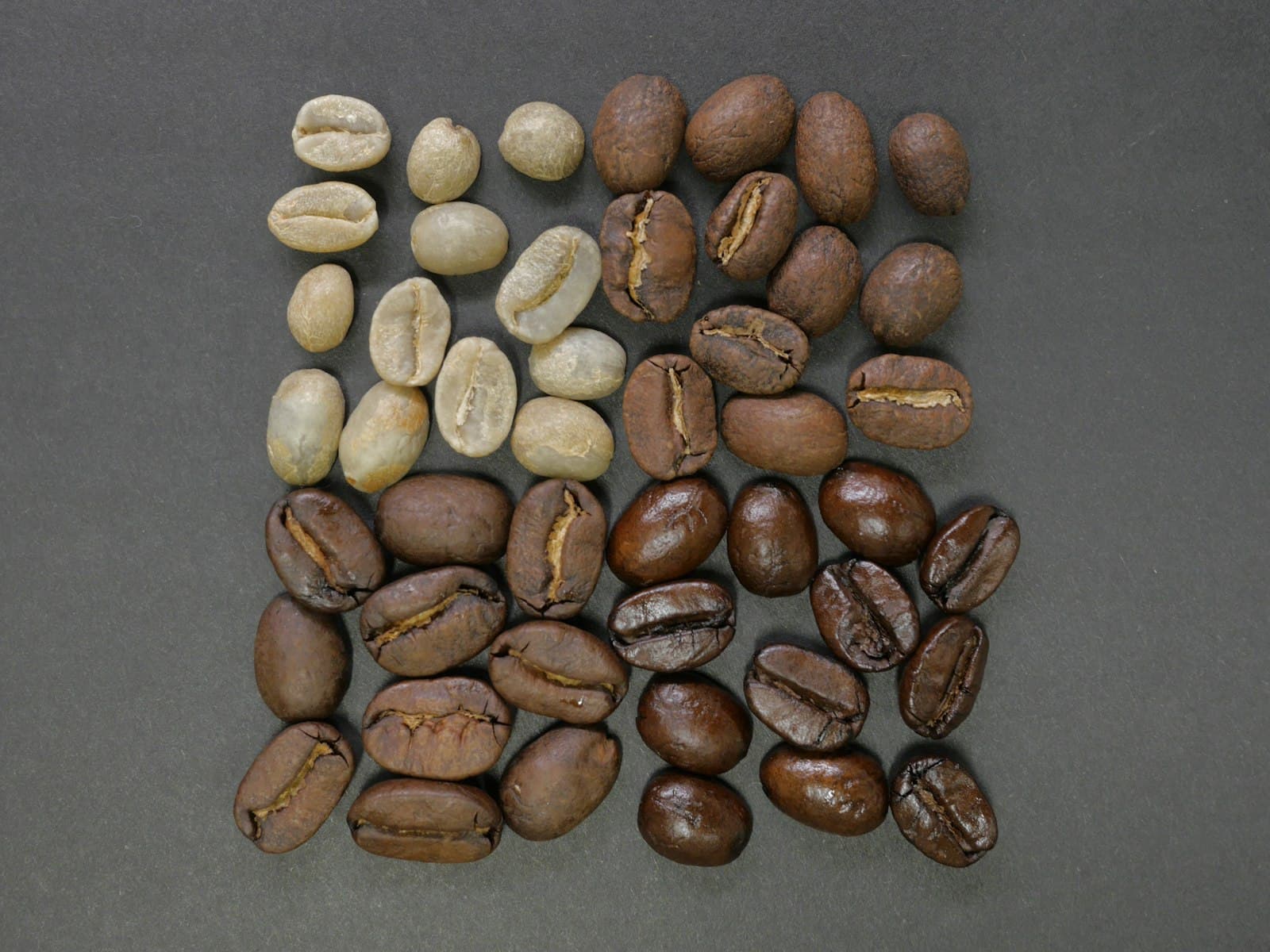
What matters here is the fact that almost all of these compounds “barely exist in green beans and are born during roasting.” A green bean fresh from the coffee cherry smells grassy and has none of the bitterness or toastiness we know. Bitterness is created by chemical reactions in the heat of roasting — which is exactly why how you choose the roast level all but decides the quality and quantity of bitterness.
One more thing worth knowing: these bittering compounds are not all felt at the “same intensity.” How keenly a person detects bitterness varies greatly by compound — some taste intensely bitter in tiny amounts, others feel mild for their quantity. Moreover, bitterness is never tasted alone; it reaches the brain together with acidity, sweetness and aroma, and they cancel or amplify one another. With enough sweetness or pleasant acidity, the same amount of bitterness feels far gentler — even reads as “richness.” Lose the balance, and even a trace of bitterness stands out unpleasantly. In short, how bitterness is felt is decided not by the amount of a compound alone, but within the design of the whole cup.
Roasting and bitterness — the story chlorogenic acid tells
The compound that tells the story of bitterness most eloquently is chlorogenic acid and how it changes. Chlorogenic acid is a polyphenol abundant in green beans; it is itself somewhat astringent and a kind of acid. As roasting proceeds, this chlorogenic acid is broken down more and more. In the light-to-medium stage, the breakdown produces bitter lactones, and a pleasant bitterness rises up. Push the roast deeper, and the lactones break down one more step into phenylindanes, and the bitterness grows stronger and sharper. So chlorogenic acid itself decreases as roasting advances, yet its “descendants” — the bittering compounds — increase while changing form according to the depth of the roast. This seemingly paradoxical flow is the heart of the relationship between roast level and bitterness.
This chart shows, as a rough guide, how much chlorogenic acid itself decreases as the roast deepens. Taking the green bean as 100, about 80% remains at a light roast, about half at a medium roast, and only around 20% at a dark roast. What is interesting is that chlorogenic acid does not “vanish” — it “changes into other bittering compounds.” Around the point where it halves at medium roast, its breakdown product, the lactones, becomes richest, and coffee’s pleasant, characteristic bitterness reaches its peak. Push on to a dark roast, and the lactones turn into phenylindanes, and the bitterness gains sharpness. The numbers are only a guide and vary with the bean and how the roast is run, but if you grasp the image that “roasting is a process of transferring the quality of bitterness,” that is enough.
If you “dislike bitterness but want to drink coffee,” try a medium roast first. The pleasant bitterness of lactones takes the lead, while the sharp bitterness of phenylindanes is still low. Conversely, if you like “heavy, weighty bitterness,” go for a dark roast. The relationship between roast level and taste is covered in detail in the Roast Levels Guide.
The line between pleasant bitterness and unpleasant harshness
So far we have discussed the “inherent bitterness” created by roasting. But much of the bitterness we find “bad” comes not from roasting itself but from a brewing failure — “over-extraction.” Extraction has an order: acidity and sweetness dissolve first, bitterness and astringency last. Drag the extraction out too long, and you pull out even those final bitter and astringent compounds down to the roots, producing a harshness that clings to the tongue and a hollow finish. Pleasant bitterness is “toasty, with an aftertaste that recedes sweetly,” whereas unpleasant harshness is “prickly, lingers endlessly on the tongue, and dries the mouth.” The same word “bitter,” yet these two are utterly different. The former is a bitterness designed by roasting; the latter is a taste broken by brewing.
- Pleasant bitterness: like bitter chocolate or cacao. Toasty, with an aftertaste that recedes sweetly
- Unpleasant harshness: prickly, clinging to the tongue. A heavy finish that dries the mouth
- Source of the former: lactones and brown pigments born of proper roasting
- Source of the latter: astringent, muddy compounds over-extracted in brewing
“Bitter because it is a dark roast” and “made bitter by how it was brewed” have different causes. The former is a choice of roast level; the latter can be fixed by adjusting extraction. Even a dark-roast bean, brewed correctly, becomes a smooth chocolate-like bitterness, while even a light roast, over-extracted, gives an unpleasant astringency. When bitterness bothers you, review your brewing before blaming the beans.
Reducing bitterness at home — five levers
When you feel a cup is “too bitter,” most of the time you can soften it by adjusting extraction. The five levers we saw in The Science of Extraction — grind size, water temperature, time, ratio and water — all govern how much bitterness you draw out. Because bitterness is the last compound to dissolve, and slowly at that, moving things in the direction of “drawing out less” tames it. Conversely, when a cup tastes thin and lacking, move the same levers the other way. The key is to change one thing at a time and check how the taste shifts. You will learn what worked, and your preferred recipe will gradually take shape.
- Grind a little coarser: less surface area, so bitterness is drawn out more gently
- Lower the water temperature (88–90°C): suppresses the extraction of bitterness and astringency. The easiest fix
- Shorten the brew time: stop the last bitter compounds from dissolving
- Use less coffee / more water: lower the concentration to dilute the impression of bitterness
- Cut with milk or water: leave the chemistry alone and soften how it is perceived — an instant fix
For sheer ease, try lowering the water temperature first. Simply letting just-boiled water cool a little, to 88–90°C, rounds off the sharp bitterness of a dark roast noticeably. Still bitter? Grind one step coarser. See also the deep dive on water temperature and the Grind Size Guide.
Putting bitterness to work — coffee as cooking
Reducing bitterness is not the only right answer. Just as cooking needs bitterness and astringency, in coffee bitterness is an important element that builds the skeleton of flavor. A bitter-chocolate-like bitterness creates deep richness and satisfaction, and when it meets the sweetness of sugar or the mellowness of milk, it turns into a complexity you cannot get from any one of them alone. Café au lait and caffè latte pair so well with milk because firm bitterness becomes the foundation that receives the milk’s sweetness. In espresso, cappuccino, and pairings with Japanese sweets and chocolate too, bitterness plays a starring role. What matters is not to “remove bitterness” but to “draw out pleasant bitterness on purpose.” Once you treat bitterness not as an enemy but as a material you can design, the range of coffee’s expression opens up all at once.
Frequently asked questions
Is coffee’s bitterness caused by caffeine?
No — caffeine accounts for only about 10 to 20 percent of bitterness and is not the star. The core of bitterness is the lactones formed when chlorogenic acid breaks down during roasting, the phenylindanes born in deeper roasts, and the brown pigments (melanoidins) formed from sugars and amino acids. In fact, decaf, which contains almost no caffeine, still tastes plenty bitter. In other words, bitterness is less a “component of the bean” and more “a flavor created by roasting.”
Why are dark roasts bitter?
As roasting deepens, the chlorogenic acid lactones that carry pleasant bitterness break down further into a compound called phenylindanes. This is a sharp, long-lingering bitter compound, and it increases with darker roasts. In addition, the brown pigments born in roasting increase, adding a toasty, weighty bitterness and richness. That is why dark roasts are “heavy and bitter.” That said, a carefully roasted and brewed dark roast becomes a smooth, chocolate-like bitterness — something quite different from unpleasant harshness.
What should I do when my brewed coffee is too bitter?
In most cases the cause is over-extraction. The easiest move is to lower the water temperature — simply brewing at 88–90°C instead of straight off the boil rounds off bitterness. Still bitter? Try grinding one step coarser, shortening the brew time, or using less coffee, one change at a time. When in a hurry, cutting with milk or a little water works too. Separating whether the cause is the bean’s roast level or the brewing method makes the fix much clearer.
How do “pleasant bitterness” and “bad bitterness” differ?
Pleasant bitterness is toasty like bitter chocolate or cacao, with an aftertaste that recedes sweetly. This comes from the lactones and brown pigments born of proper roasting. Bad bitterness — harshness — is prickly, clings to the tongue, has a heavy finish, and dries the mouth. This is usually the result of over-extraction pulling out even the final astringent, muddy compounds. The former is the design of roasting, the latter a failure of brewing — the same word “bitter,” but entirely different causes.
How do I choose a less bitter coffee?
The lighter the roast, the fewer sharp bitter compounds (phenylindanes) there are. The shortcut is to choose light-to-medium roasts first. By origin, washed beans from places like Ethiopia and Kenya, whose signature is bright acidity and floral character, lead with acidity and fruitiness rather than bitterness. In brewing, too, a slightly lower temperature and shorter extraction keep bitterness in check. Dark roasts and espresso-style drinks tend to let bitterness take the lead, so if you dislike it, avoid them or pair with milk to make them easier to drink.
Are bitterness and astringency the same thing?
Strictly speaking, they are different. Bitterness is a “taste” the tongue perceives, carried in coffee by lactones and brown pigments. Astringency, by contrast, is closer to a “sensation” — tannins and other polyphenols binding with proteins in the mouth’s mucous membrane, that puckering feel of an unripe persimmon or strong green tea. In over-extracted coffee, this bitterness and astringency appear together and are felt collectively as “harsh.” Both are signs of drawing out too much, so an adjustment toward gentler extraction softens them together.
Bitterness may be the most primal sensation coffee wears, and at the same time the most misunderstood taste. It is not caffeine’s doing, but an ensemble of compounds that the fire-craft of roasting produces, one after another, from chlorogenic acid. From the pleasant lactones of a medium roast to the sharp phenylindanes of a dark roast, bitterness changes form with the depth of the roast, and its impression swings widely with the skill of brewing. The next time you take a sip, notice for a moment whether that bitterness is toasty depth or the harshness of drawing out too much. Once you can taste bitterness not as an enemy but as a flavor you can design, coffee becomes a drink with far more depth.
Was this article helpful?
Choose & compare
Related links
References
More articles
Coffee and Climate Change — The “2050 Problem” and the Science of Our Cup’s Future
BeansThe Science of Processing — From a Single Fruit to a Green Bean, How Fermentation and Drying Decide the Taste
BeansThe Coffee Variety Family Tree — Reading the “Genealogy” That Begins with Typica and Bourbon
BeansThe Coffee Belt and Terroir — Why Coffee Grows Only in the “Equatorial Band,” and Why Each Origin Tastes Different