Sri Lanka Coffee Deep-Dive: Ceylon’s Lost Coffee, the Blight That Turned It Into a Tea Nation
The leaf disease that destroyed a 19th-century powerhouse, the great pivot to tea, and a quiet revival
Sri Lanka — formerly Ceylon — is a tea nation famous worldwide. But behind the birth of that tea kingdom lay a coffee tragedy. In the 19th century Ceylon was one of the world’s leading coffee producers. Then a blight that appeared on a single leaf destroyed that great industry in barely a decade and turned the island into a tea nation. We trace coffee history’s most dramatic story — and the quiet revival now underway.
Contents · 9
Not a day passes without the words “Ceylon tea” on a supermarket shelf. Sri Lanka — formerly Ceylon — is a tea nation famous the world over. Yet behind the birth of that tea kingdom lay a coffee tragedy. In the 19th century, Ceylon was one of the world’s leading coffee producers. Then a disease that appeared on a single leaf destroyed that great industry in barely a decade and turned the island into a tea nation. The Ceylon tea you drink is, in a sense, a flower that bloomed on coffee’s ashes — let us trace coffee history’s most dramatic story.
Why Sri Lanka’s coffee is “history”
- A former powerhouse: in the 19th century, Ceylon was one of the world’s leading coffee exporters
- The tragedy of a single leaf: coffee leaf rust, identified in 1869, destroyed the industry in barely a decade
- The great pivot to tea: estates that lost coffee switched to tea, and “Ceylon tea” was born
- A lesson of coffee history: the same rust still threatens origins worldwide — and this is its origin point
- A quiet revival: today, small-scale coffee growing is reviving in the central highlands and elsewhere
Sri Lanka was called “Ceylon” until 1972. That is why “Ceylon tea” is still used as a tea brand name. And in the 19th century, that same name was known on the world’s coffee market, too.
A former coffee powerhouse
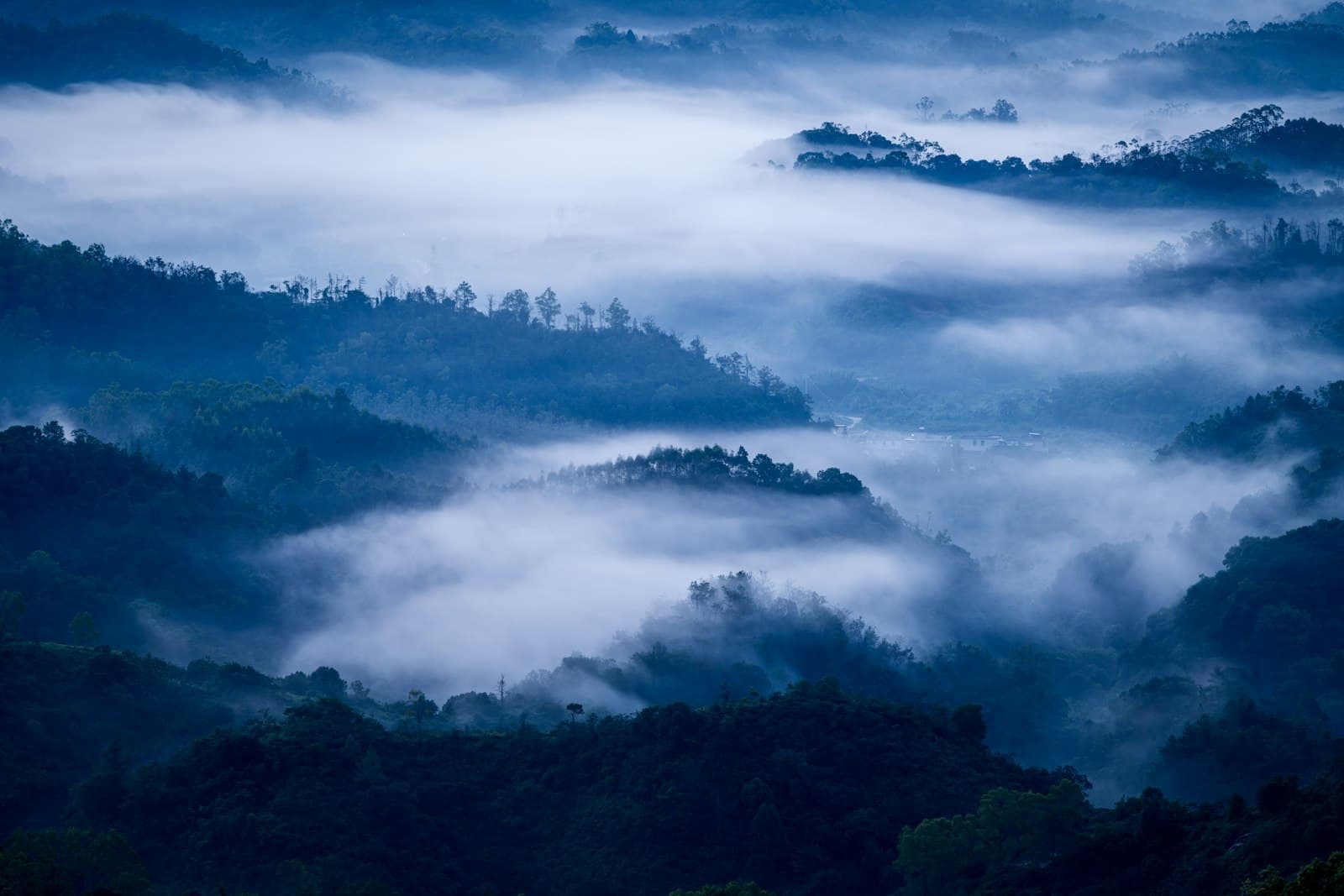
In the first half of the 19th century, under British rule, vast coffee estates were carved out in Ceylon, centered on the central highlands around Kandy. The cool highland climate suited arabica, and by the 1860s–70s Ceylon had grown into one of the world’s leading coffee exporters. The island’s economy rested on coffee, and the mountain slopes were covered with coffee trees as far as the eye could see. Tea was scarcely grown then. Ceylon was, unmistakably, a “coffee island.”
1869, spots on the leaves — coffee leaf rust
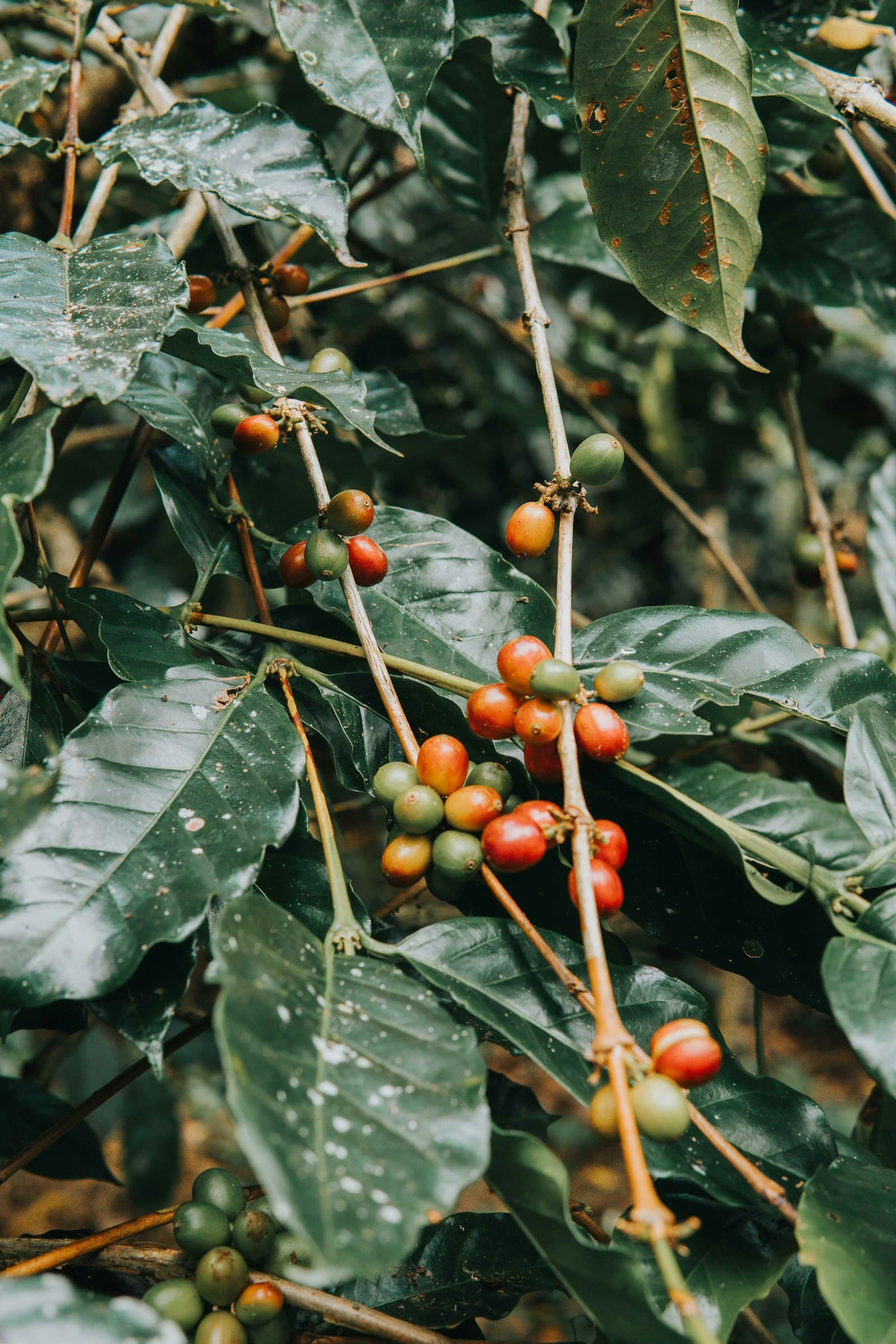
In 1869, orange spots appeared on the leaves of Ceylon’s coffee. Coffee leaf rust (Hemileia vastatrix) is a fungal disease that forms rust-like spores on the undersides of leaves, weakening and killing the tree. This disease was first scientifically described in Ceylon, and it spread across the island through the 1870s and 1880s. There was little to be done, and coffee estates fell one after another. In barely a decade, Ceylon’s world-leading coffee industry collapsed. For the coffee tree, rust remains one of the greatest threats even today.
Coffee leaf rust (la roya in Spanish) has gone on assailing origins worldwide. In the late 19th century it devastated the Philippines’ export industry, and in 2012–13 it swept across all of Central America with severe damage. The development of disease-resistant varieties and the spread of rust-tolerant robusta are, in part, products of this long fight. Ceylon was the place that became its first great victim.
The birth of a tea nation — from coffee’s ashes
Estate owners who had lost coffee searched for another crop to survive on. The choice that emerged was tea (the Camellia plant). The Scotsman James Taylor had begun commercial tea cultivation at the Loolecondera estate in 1867. As rust felled the coffee, highland estates converted to tea one after another. Then in 1890, Thomas Lipton bought up Ceylon tea estates and, with the slogan “direct from the tea garden to the teapot,” lifted Ceylon tea into a global brand. The “Ceylon tea” beloved worldwide today was, ironically, built upon the tragedy of coffee’s destruction.
Had there been no rust, we might be drinking “Ceylon coffee” instead of “Ceylon tea.” The memory of a vanished coffee industry behind a cup of tea — once you know it, even the taste of Ceylon tea may feel a little different.
Flavor profile — rustic, spicy Ceylon coffee
The coffee made in Sri Lanka today has a rustic flavor that echoes its past. Altitude and processing vary, but on the whole it is marked by a heavier body, lower acidity and a spice-like flavor. Rather than bright and showy, it is a settled, earthy coffee.
- Flavor: a rustic taste of spice, dark chocolate, nuts and dried fruit
- Body: heavy and firm. With the low acidity, it gives a settled impression
- Acidity: low and gentle. Little sharpness, easy to drink
- Character: rustic rather than showy — evoking the lineage of traditional Ceylon coffee
Growing regions and revival
Sri Lanka’s coffee is reviving on a small scale, centered on the central highlands that were once a great growing region. Both arabica and robusta are grown, with characters differing by area.
- Central Highlands / Kandy: the former great region. Spicy, rustic arabica revival lots
- Sabaragamuwa: the southwestern hills. Heavy and sweet, in the lineage of traditional Ceylon coffee
- Other highlands: smallholder and specialty efforts are advancing in various places
We organize the regional characters on the Sri Lanka origin page, too. Feel the “now” of Ceylon coffee — which once swept the world and is now quietly reviving.
How rust changed the world — the lesson Sri Lanka left
The collapse of Ceylon’s coffee did not end as one country’s tragedy. From the late 19th into the 20th century, rust spread across Asia, afflicting many arabica regions. In that process, the relatively rust-tolerant robusta drew attention and came to be widely grown in the lowlands of Southeast Asia. The shadow of this rust also lies behind why so much of Asia became “tea nations” rather than “coffee nations.” A single leaf disease redrew the world’s map of coffee and tea — and Sri Lanka is that story’s starting point. For coffee’s long journey, see also the history of coffee.
How to brew it
Sri Lanka’s coffee is defined by a heavier body and rustic spice. To make the most of that, a firm extraction suits it. To enjoy the low acidity and richness, brew a medium to medium-dark roast a little strong.
Baseline ratio for the V60 (1:16)
Beans 15g / Water 240g
- Roast: medium to medium-dark. Draw out the spice and richness firmly
- Water temp: 90–93°C. Balance the heavy body and low acidity
- Brew: besides paper drip, a French press to enjoy the richness works well
- Enjoy it: with milk, sugar or spices added, its rustic flavor still shows well
FAQ
Why did Sri Lanka become a tea nation?
Because Ceylon (now Sri Lanka), a great coffee region in the 19th century, had its industry destroyed by coffee leaf rust identified in 1869. Estates that lost coffee switched to tea, and through figures like James Taylor and Thomas Lipton, “Ceylon tea” grew into a global brand. In other words, Ceylon tea was born from the tragedy of coffee’s destruction.
What does Ceylon coffee taste like?
Its hallmark is a rustic, robust flavor evoking spice, dark chocolate, nuts and dried fruit. With a heavier body and lower acidity, it is a settled, earthy coffee rather than a showy one. It carries the lineage of traditional Ceylon coffee to this day.
Is coffee still made in Sri Lanka?
Yes. In the central highlands (Kandy) and Sabaragamuwa that were once great regions, small-scale arabica and robusta growing is reviving. Output is not large by world standards, but it circulates in small amounts as a “revival cup” from a historic coffee island.
Sri Lanka’s coffee gains far more depth when you know its “story” before tasting it. A great industry that swept the world vanished from a single leaf disease, and on its ashes a tea kingdom was born. And now, in small amounts, coffee is reviving. Next time you drink Ceylon tea — and if you ever meet a Ceylon coffee — recall the remarkable history this island traveled. The taste of a single cup is sure to feel different.
Was this article helpful?
Origins in this article
Choose & compare
Related links
More articles
The Coffee Variety Family Tree — Reading the “Genealogy” That Begins with Typica and Bourbon
BeansPhilippine Coffee Deep-Dive: A Country of Four Species and the Story of the Rare Liberica, "Barako"
BeansThe Science of Roasting — Why a Green Bean Turns Into That Aroma and Color, from the Maillard Reaction to Second Crack
BeansThe Coffee Belt and Terroir — Why Coffee Grows Only in the “Equatorial Band,” and Why Each Origin Tastes Different