Philippine Coffee Deep-Dive: A Country of Four Species and the Story of the Rare Liberica, "Barako"
A former export power, the history leaf rust rewrote, and islands that keep the world’s forgotten fourth species alive
The Philippines is a rare country that commercially grows the globally scarce Liberica (Barako) alongside arabica and robusta. In the 19th century it was one of the world’s leading coffee exporters, but it has a history of an industry devastated by leaf rust. Bold Barako, highland specialty arabica, and a revival as a "coffee-drinking nation" — here is the story of Southeast Asia’s other coffee power.
Contents · 10
You don’t often hear the Philippines named on the world map of coffee. Yet this island nation holds a singular place in coffee history. Unusually, alongside arabica and robusta it commercially grows Liberica — a rare species known locally as Barako — and it was once one of the world’s great coffee exporters. Why is such a country now obscure? We trace its four species, the history that leaf rust rewrote, and the story of revival.
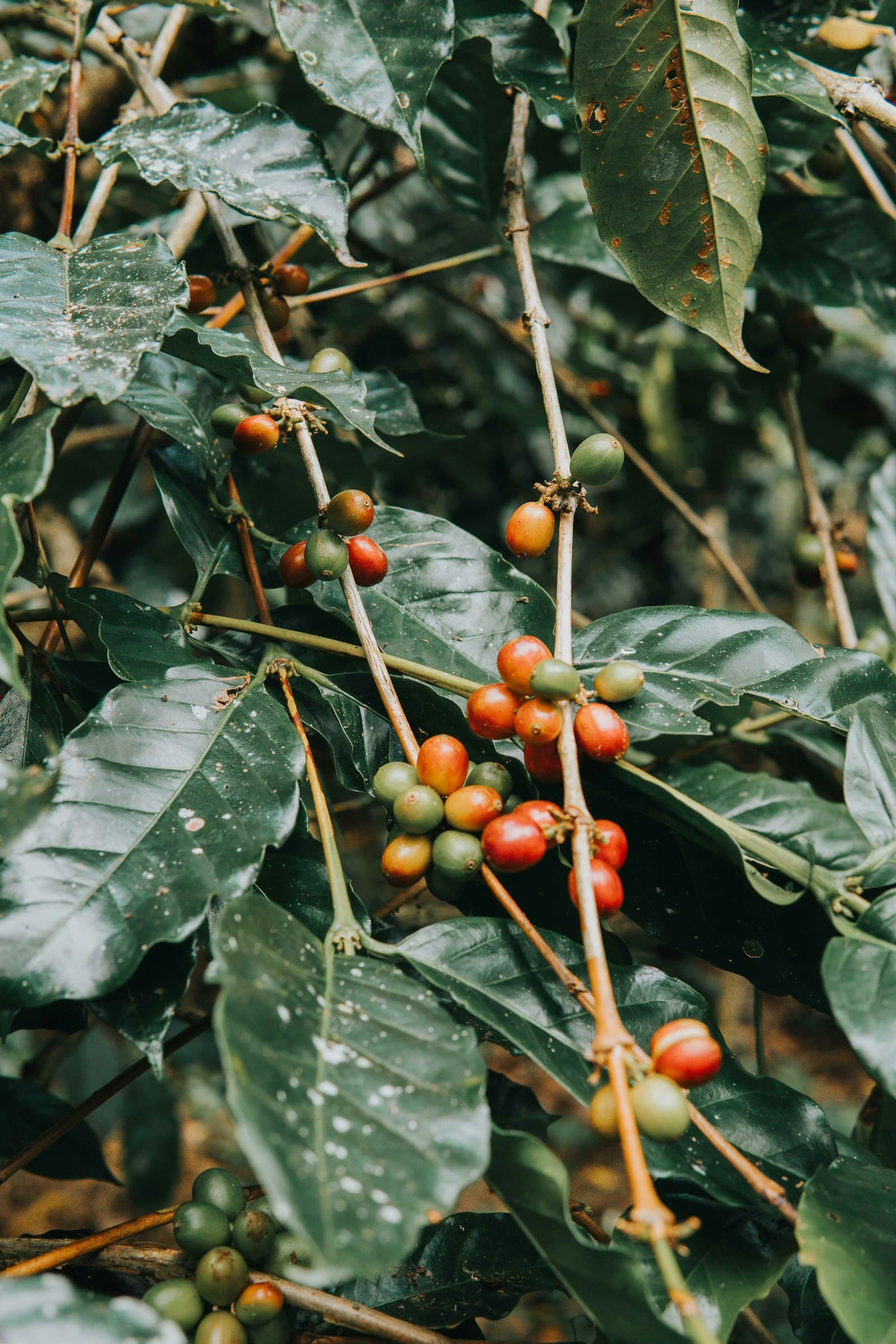
Why the Philippines is special
- Four species: a rare country that commercially grows all four — arabica, robusta, Liberica and Excelsa
- Rare Barako: one of the few sources of the Liberica "Barako," beloved nationally for its bold, singular flavor
- A former export power: a history as one of the world’s leading coffee exporters in the 19th century
- The memory of rust: leaf rust devastated the industry in the late 1880s — the root of its lasting ups and downs
- A "drinking nation": today a net importer that consumes more than it grows, with a rooted instant-coffee culture
Of coffee’s four cultivated species, world trade is almost entirely arabica (about 60%) and robusta (about 40%); Liberica and Excelsa together are said to be under 1% of global production. The Philippines is one of the few countries to have kept that Liberica (Barako) as living culture. We organize the lineage of varieties in the variety guide.
A country that grows four species
Essential to understanding Philippine coffee is the diversity of species grown. According to altitude and island climate, four different coffee species are cultivated — something extremely rare worldwide.
- Arabica: the highlands of northern Luzon such as the Cordillera. Vivid and clean; the specialty lead
- Robusta: widely grown in the lowlands. A bold bitterness, the mainstay for instant and domestic consumption
- Liberica (Barako): Cavite and Batangas are its home. Large beans and a bold, singular flavor
- Excelsa: considered a relative of Liberica. Fruity and acidic; adds depth to blends
Barako (Liberica) — a rare "macho" coffee
The symbol of the Philippines is the Liberica "Barako." Barako means "stud" or "macho" in Tagalog — and true to the name, it has a bold, wild flavor. The beans are huge, more than twice the size of arabica, with a distinctive shape. Its intense aroma of woody, spicy notes with jackfruit, flowers and dark chocolate is unforgettable once you know it.
Barako has long been grown in Batangas and Cavite, where locals typically brew it strong and add sugar. Its output is tiny — so much so that it has been considered at risk of disappearing. With efforts at conservation and revival born of that rarity, it is a cup that symbolizes Philippine food culture.
A former export power — the history rust rewrote
It seems surprising now, but in the 19th century the Philippines was one of the world’s leading coffee exporters. Cultivation began in the 1700s under Spanish rule, and Lipa in Batangas in particular flourished as a "coffee capital." In the 1880s, with Brazil’s crop failures and rust outbreaks elsewhere overlapping, the Philippines is said to have risen for a time to the world’s 4th-largest exporter. But around 1889, leaf rust reached the Philippines too, and within a few years most arabica farms were destroyed; the industry declined fast. From that blow, Philippine coffee has never fully recovered.
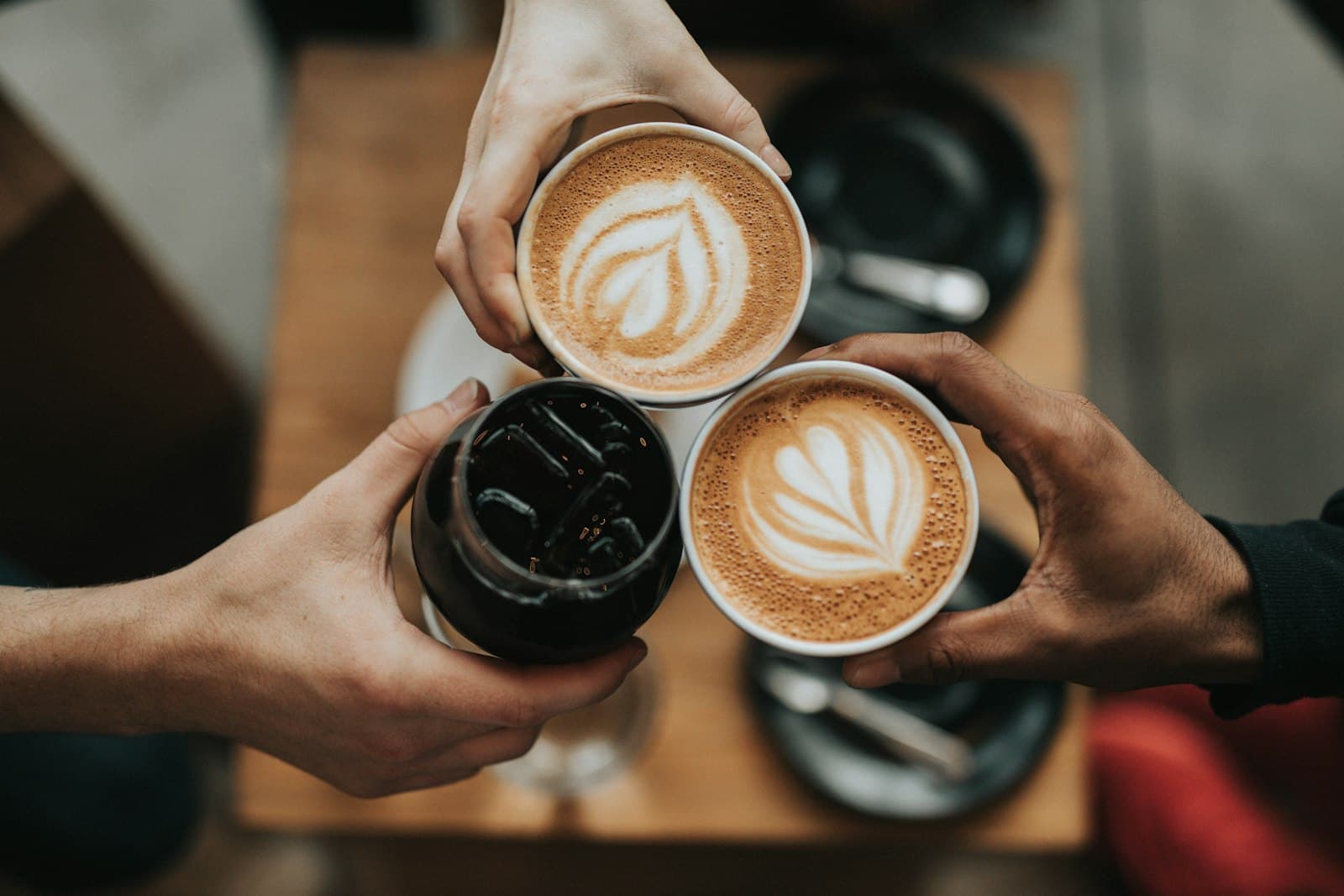
Flavor profile
Philippine coffee tastes very different depending on the species grown. The fact that it can’t be lumped together is what makes this country interesting.
- Barako (Liberica): woody, spicy, jackfruit, floral. Bold, wild and one of a kind
- Highland arabica: chocolate, nuts, citrus. Clean, balanced and easy to drink
- Robusta: bold bitterness and body. Suited to instant and strong milk coffee
- Excelsa: fruity and acidic, lighter than Liberica. A secret note in blends
Growing regions
Philippine coffee is grown over a wide range, from the highlands of northern Luzon to the southern island of Mindanao. A hallmark is how species and region are linked.
- Cordillera / Benguet (northern Luzon): high-altitude arabica. Known for Sagada coffee
- Cavite / Batangas (southern Luzon): the home of Liberica "Barako," with the historic coffee capital of Lipa
- Mindanao / Bukidnon (south): the largest region, growing arabica and robusta on the foot of Mt. Apo
- Sultan Kudarat and others: Mindanao’s main robusta areas
We organize the regional characters by area on the Philippines origin page, too. Highland arabica and lowland Barako/robusta taste as different as two separate countries.
Processing and varieties
- Processing: arabica is mostly washed. Barako and robusta are often natural
- Varieties: arabica is Typica and Bourbon types; Liberica is Barako; robusta is mostly heirloom
- Smallholder-led: most is grown by small farms. Cooperatives and specialty efforts lift quality
- Challenges: an aging workforce and low productivity. Meanwhile a younger generation and café culture push the revival
"Kape Alamid" — civet coffee
The Philippines is also a source of civet coffee, "Kape Alamid," akin to Indonesia’s Kopi Luwak. Alamid is the civet; the beans are eaten and excreted by wild civets, then collected and processed — known as a very expensive rarity.
But civet coffee carries animal-welfare concerns. As demand has grown, cases of keeping civets in poor conditions and force-feeding them have been criticized. If you buy it, it’s important to choose a trustworthy seller that clearly states "wild-sourced" and cares about animal welfare. We touch on the same caution with Vietnam’s weasel coffee.
How to brew it
Philippine coffee suits different brewing by species. The trick is to brew highland arabica clean and to lean into Barako’s strength.
Baseline ratio for the V60 (1:16, for arabica)
Beans 15g / Water 240g
- Highland arabica: clean, as a medium-roast paper drip. Let the chocolate-and-citrus sweetness speak
- Barako (Liberica): strong, at a medium-dark roast. Adding sugar local-style suits its character
- Robusta: brewed strong with milk. Good for instant and concentrate styles
- Water temp: 90–93°C for arabica; slightly higher is fine for Barako and robusta
FAQ
What does Barako (Liberica) taste like?
A bold, wild flavor of woody, spicy notes with jackfruit, flowers and dark chocolate. It has a singular character different from arabica’s brightness or robusta’s bitterness. The beans are more than twice the size of arabica. Opinions divide, but it’s a rare coffee worth trying once.
Why did the Philippines become obscure?
The big turning point was the late-19th-century leaf rust, which devastated its world-leading production. Natural disasters and productivity problems followed, and it shifted from an exporter to a net importer (consuming more than it produces). While instant-coffee consumption is high, production has stagnated and fame as a single origin stayed low. Lately a specialty revival is underway.
Where can I buy Philippine coffee?
Specialty roasters and online shops carry small amounts of Cordillera arabica and Barako (Liberica). Being rare, it isn’t common, but searching "Philippine Barako" or "Philippine arabica Sagada" turns it up. As an experience entirely unlike ordinary arabica, Barako is especially recommended.
The Philippines is a country that keeps coffee’s "other possibility" alive today. The forgotten fourth species, Barako; the highland arabica trying to rise from rust; and a thick culture as a "drinking nation." Without flashy fame, its diversity and depth of history truly spark a coffee lover’s curiosity. Next time you spot a Philippine coffee, peek at the label to see which species it is.
Was this article helpful?
Origins in this article
Choose & compare
Related links
More articles
The Coffee Variety Family Tree — Reading the “Genealogy” That Begins with Typica and Bourbon
BeansThe Coffee Belt and Terroir — Why Coffee Grows Only in the “Equatorial Band,” and Why Each Origin Tastes Different
BeansThe Science of Coffee Acidity — What Fruitiness Really Is, and How It Differs from “Sour”
BeansTaiwan Coffee Deep-Dive: The Tea-Like Cup Born of Alishan’s High Mountains