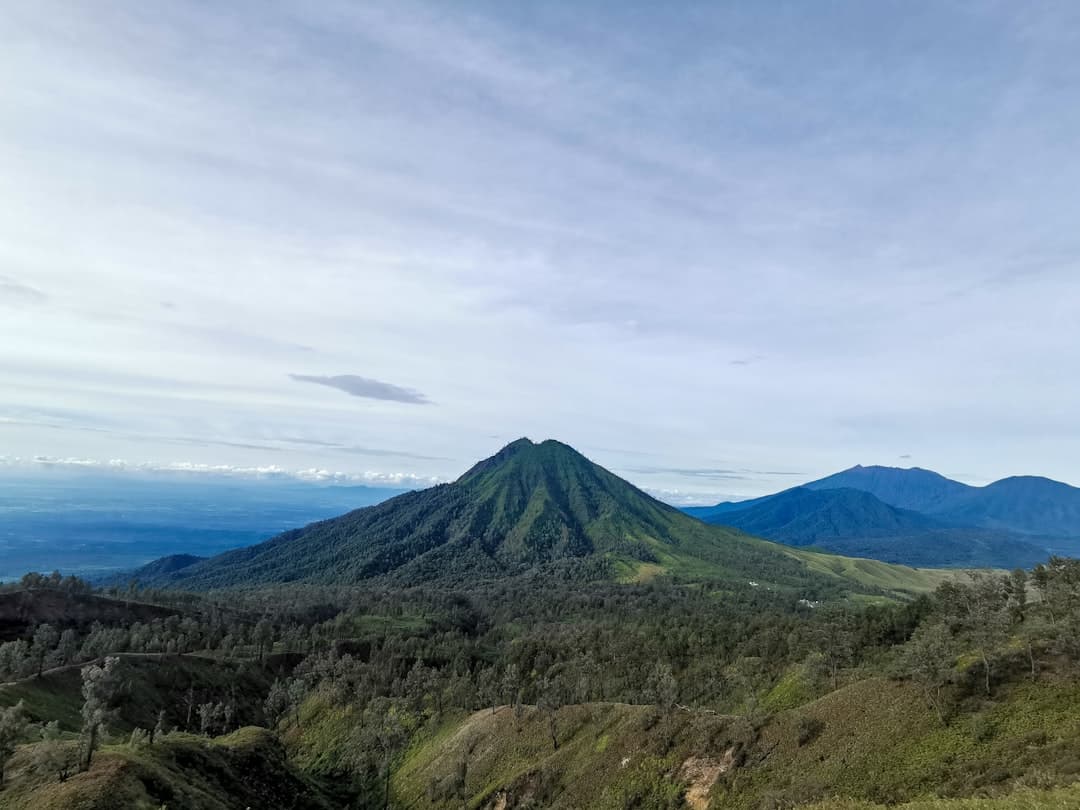
i.The wet-hulling signature
Adapted to a hot, humid climate, giling basah hulls the beans while they are still part-wet. Hence the bluish-green raw beans and the uniquely earthy, complex flavor.
Loading…
Mandheling is grown in northern Sumatra, Indonesia, and takes its name from the local Mandailing people.
Mandheling is grown in northern Sumatra, Indonesia, and takes its name from the local Mandailing people.
The island’s distinctive giling basah (wet-hulling) process produces gentle acidity, a weighty body, earthy herb-and-cedar character and dark chocolate.
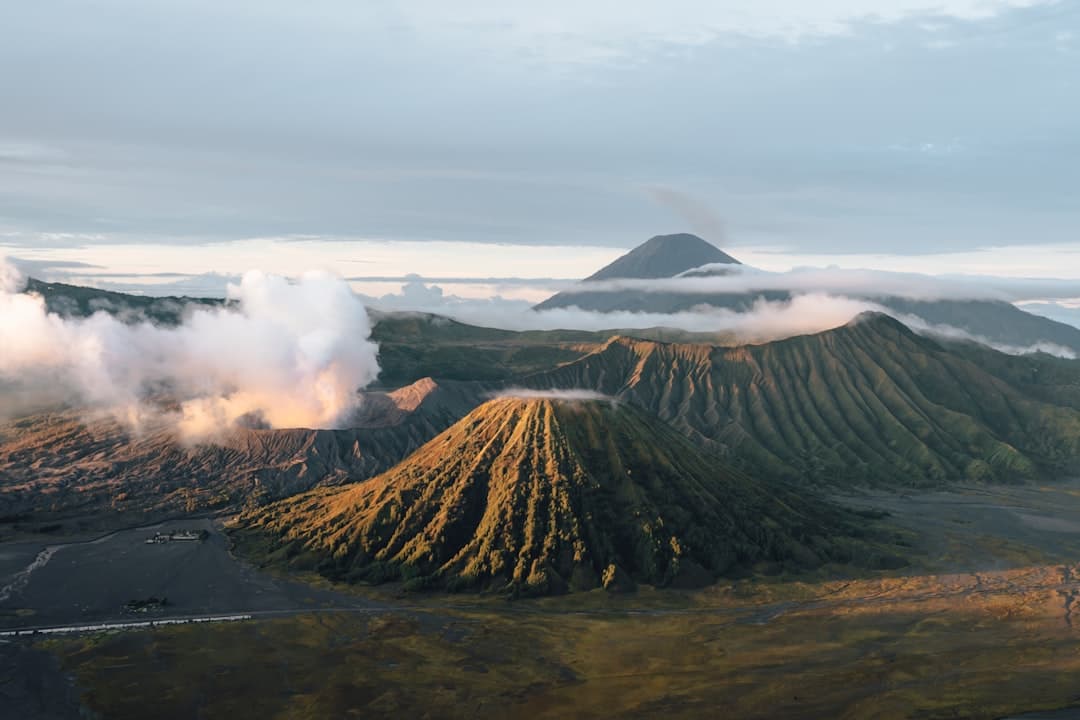
Adapted to a hot, humid climate, giling basah hulls the beans while they are still part-wet. Hence the bluish-green raw beans and the uniquely earthy, complex flavor.
Soft acidity, a thick body, and an earthy, spiced depth like nothing else. It holds its character even in dark roasts and keeps a devoted following.
Mandheling is not a place. It derives from the Mandailing people of northern Sumatra — a coffee, in effect, named after a people. Most beans traded as Mandheling today grow in the northern Sumatran highlands: the Lintong area near Lake Toba and, further north, the uplands of Aceh.
So “Mandheling” is less a single village or estate than a trade name spanning northern Sumatran highland arabica. Lintong and Aceh lots balance their weight a little differently, and tasting them side by side reveals the diversity hiding inside the name.
Mandheling’s raw beans show a deep blue-green found in no other origin — the mark of giling basah, wet hulling. Conventional washed coffee dries to 11–12% moisture before hulling; giling basah strips the parchment while the beans still hold 30% or more, then finishes drying the naked seed.
The method suits Sumatra’s humid climate, where sun-drying runs slow, by cutting drying time dramatically. Exposing the still-soft seed produces the beans’ swollen look and the earthy, herbal signature — and much of the gentle acidity and thick body traces to this processing, too.
Mandheling is one of the coffees most deeply woven into Japan’s kissaten culture. Its thick body stands up to dark roasting and its bitterness is high quality, so it has anchored nel-drip and siphon menus since the Shōwa era, and served as the backbone of countless blends.
On its own, take it medium-dark to dark, brewed by nel drip or French press. The weighty mouthfeel and dark-chocolate finish hold even with a splash of milk. To learn the beauty of low-slung, bass-register coffee — the opposite pole from Ethiopia’s or Kenya’s bright acidity — Mandheling is the shortest path.
When buying, watch the grade: Indonesian green coffee is classed G1 through G6 by defect count, and specialty Mandheling is almost always hand-sorted G1. “Mandheling G1” on the label is the first marker of quality.
A weighty way to enjoy the earthy, smoky flavor. A longer extraction deepens it further.
A dense cup with herb and spice character — especially good with Mandheling.
Searches each shop for “Indonesia Mandheling”. Links marked “PR” are ads (affiliate links →); this site may earn a referral fee from sellers. Prices and stock on each site take precedence.