Skip to content
Indonesia coffee
4PROD. RANK · No.04Indonesia

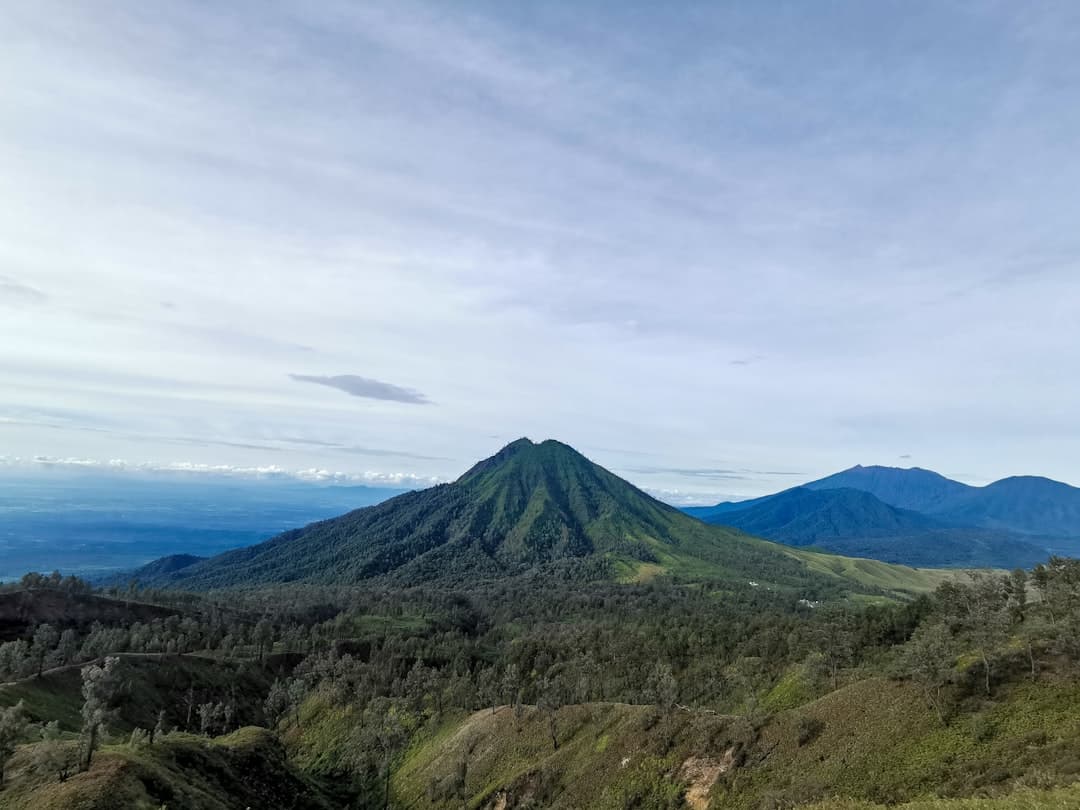
Photo by bay on Unsplash

Asia · ORIGIN No.04

インドネシア

An archipelago nation including Sumatra, Java and Sulawesi.

arabicarobustawet_hulled / washed
Log a tasting
§ 01
KEY FIGURES

Key figures

Production rank
World No.4
Asia
Annual production
10.0M bags
60kg / bag
Recommended roast
Medium-dark
medium dark
Certifications
organic, fair_trade
Certified
§ 02
OVERVIEW

Overview

An archipelago nation including Sumatra, Java and Sulawesi. The unique wet-hulled process creates a distinctive flavor.

§ 03
HISTORY · TERROIR · CULTURE

History & culture

Indonesia, the world’s #4 producer, is Asia’s great original — known for a one-of-a-kind processing method and powerful body. Brought in during the Dutch colonial era of the 17th century, its coffee shipped to Europe as East India Company trade goods and spread worldwide under island names: Java, Mandheling, Toraja.

Sumatra Mandheling — the character of wet-hulling

The Mandheling country of Aceh in northern Sumatra is the home of the world-famous name. Here coffee goes through the island’s own process — "giling basah," wet-hulling — in which beans are hulled while still semi-dry right after de-pulping, then re-dried for export in a moist state. The method yields that distinctive "earthy" register — soil, forest floor, woody notes — and a full-bodied, low-acid, weighty cup. It has long been beloved in Japan, where depth and sweetness are prized.

Java, Toraja, Sulawesi — diversity island by island

Indonesian coffee grows across many islands — Java, Sumatra, Sulawesi, Flores, Bali, Papua — each geography and history producing its own flavor. Java’s namesake coffee is classic and clean at medium roasts; Sulawesi’s Toraja is floral and balanced; Flores’s Bajawa shows volcanic-soil chocolate. The word "java" itself was used as a synonym for coffee in 17th-century Europe — a measure of how deeply Indonesian coffee is woven into world history.

Kopi luwak — where tradition meets ethics

Indonesia is also famous as the home of kopi luwak — undigested beans collected from civet droppings. While some connoisseurs prize the complexity its fermentation lends, recent years have brought scrutiny: animal-welfare problems in caged production, inconsistent quality, and rampant fakes. The industry increasingly treats it as "rare, but to be handled with care." Many specialty roasters decline to carry it; the modern approach is a small tasting from a verifiable source, if at all.

§ 04
FLAVOR PROFILE

Flavor profile

Production world shareNo. 4
Max altitude max altitude1,800 m
Growing regions growing regions5 regions

Computed from all of Indonesia’s regions. Max altitude references the SCA-recommended 1,500–2,200m.

FloralFruityAcidityChocolateNuttySpiceBodySweetness
§ 05
FOOD PAIRING

Food pairing

Macaron
echoes the bright aromatics
Wagashi
complements the delicate sweetness
Earl Grey scone
layers the floral notes
Lemon cake
bright acidity pops
Fruit tart
citrus flavor shines
Yogurt
clean and crisp
§ 06
GROWING REGIONS · 5

Growing regions

§ 07
BREW GUIDE

Recommended brewing

French press
93℃ · Coarse
Temp
93
Ratio
1:13
Time
5 min
Grind
Coarse

A weighty way to enjoy the earthy, smoky flavor. A longer extraction deepens it further.

Moka pot
100℃ · Medium-fine
Temp
100
Ratio
1:7
Time
4 min
Grind
Medium-fine

A dense cup with herb and spice character — especially good with Mandheling.

§ 08
RELATED READING

Reading about Indonesia

§ 09
WHERE TO BUY

Find Indonesia coffee

Check stock and prices on each retailer. Links marked “PR” are affiliate links; a purchase may earn this site revenue.

§ 10
ROASTERS

Roasters carrying this origin

§ 11
SUBSCRIPTIONS

Subscriptions delivering this origin

Subscription
§ 12
SIMILAR ORIGINS

Similar origins

§ 13
KINDRED REGIONS

Kindred-flavor regions

Starting from flavors common to all of Indonesia’s regions, here are 3 similar regions from other countries.