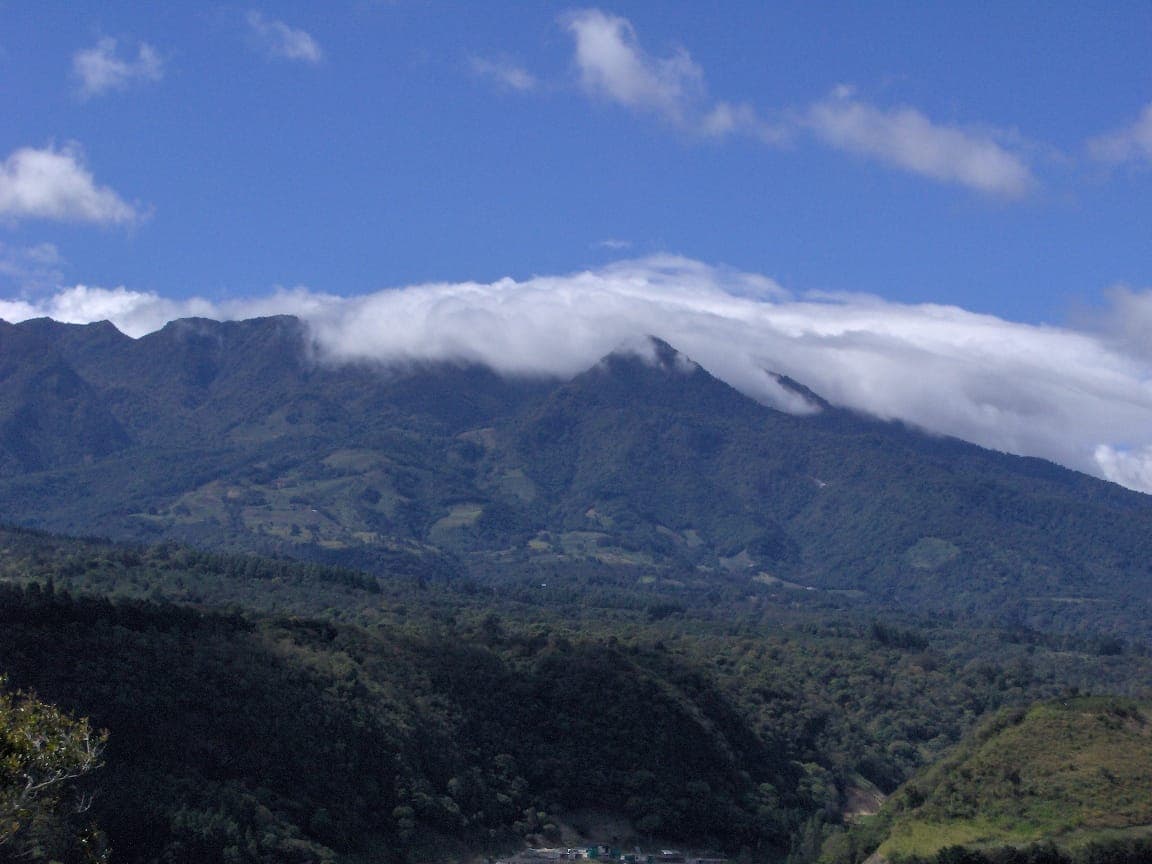
i.Where the Geisha legend began
Since Hacienda La Esmeralda’s Geisha stunned the Best of Panama in 2004, Boquete has been synonymous with the variety. Its black-tea-and-flowers aromatics are like nothing else.
Loading…
Boquete spreads over the highlands at the foot of Volcán Barú in Panama’s western Chiriquí province.
Boquete spreads over the highlands at the foot of Volcán Barú in Panama’s western Chiriquí province.
It shot to fame when Geisha (Gesha), with aromatics like fine tea, rewrote the price benchmarks of the specialty market.Jasmine, peach and bergamot define its lavish aromatics.
Since Hacienda La Esmeralda’s Geisha stunned the Best of Panama in 2004, Boquete has been synonymous with the variety. Its black-tea-and-flowers aromatics are like nothing else.
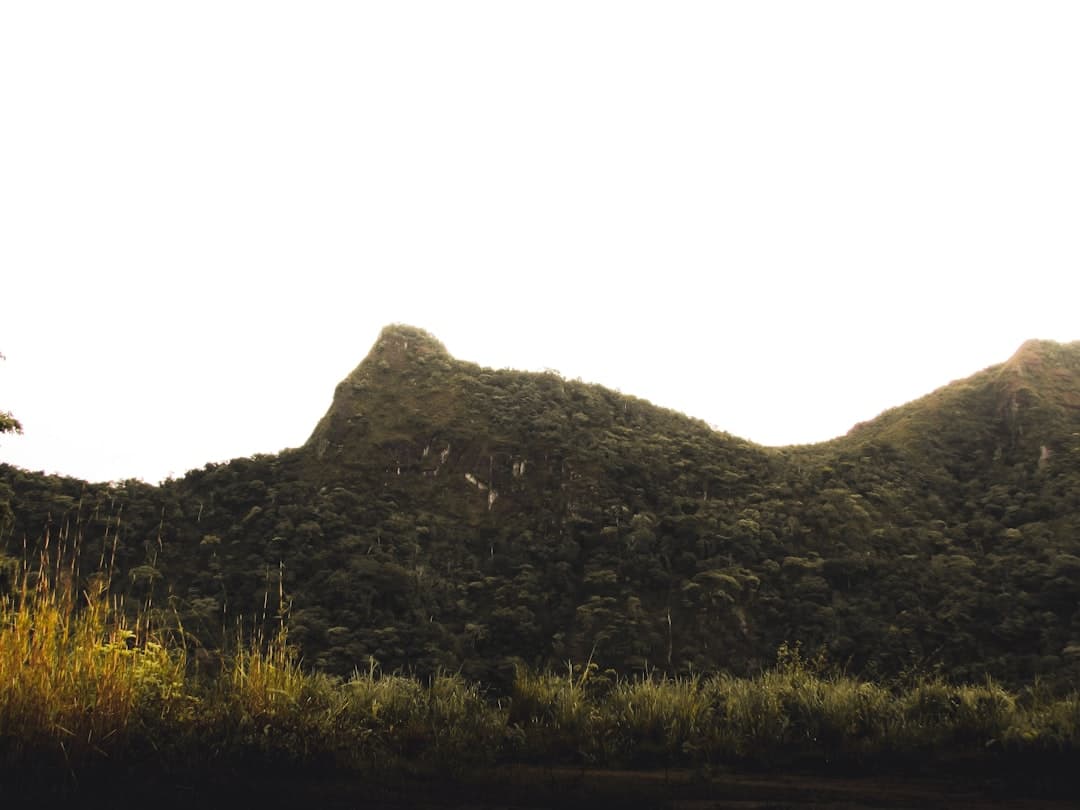
Mist (the bajareque) and big temperature swings nurture complex flavor. In recent years experimental processing such as anaerobic fermentation has flourished too.
Boquete’s farms dot the valleys at 1,200–1,800m on the flank of Volcán Barú, Panama’s highest peak at 3,474m. Trade winds crossing from the Caribbean carry the bajareque — a fine, mist-like drizzle that wraps the farms, often trailing a rainbow — softening the sun and dramatically slowing cherry ripening.
The slower the ripening, the more sugar and aroma precursors the fruit lays down, concentrating the jasmine and peach that define Geisha. Because sun, mist and temperature shift from one valley and slope to the next, farms and lots within Boquete itself show sharply distinct personalities.
Harvest falls roughly December to March, in the dry season. Estates manage their land as fine-grained parcels split by elevation and aspect, entering only the best parcels in competition. One farm, many faces — that is Boquete’s depth.
At the annual Best of Panama competition auction, Boquete Geisha lots have broken world price records again and again. Since Hacienda La Esmeralda’s 2004 debut, Panama Geisha has traded in a different league from the rest of specialty coffee, becoming a byword for “the world’s most expensive cup.”
Behind the prices sit tiny planted area, low yields and aromatics that exist nowhere else. Boquete also produces excellent Catuai, Typica and Pacamara at far friendlier prices — well worth trying before the Geisha plunge.
A light roast and paper drip draw the most from Geisha’s aromatics. Keep the water at 90–92°C and the grind a touch coarse, lifting the volatile jasmine and peach rather than boiling them out — the black-tea finish stretches longer as the cup cools. Rare and expensive, it rewards starting with a small pack or a single cup at a café. Working up from Boquete Catuai or Pacamara to Geisha is a fine order of study, too.
Maximizes Geisha’s complex floral and jasmine notes. Temperature control is critical.
An easy way to enjoy rare Geisha — a small dose concentrates its complex flavor.
Searches each shop for “Panama Boquete”. Links marked “PR” are ads (affiliate links →); this site may earn a referral fee from sellers. Prices and stock on each site take precedence.