The Economics of Coffee — From the C-Market to the Price of a Cup: The Story of “Why This Price?”
The New York futures market, the volatile international price, the producer’s share, and the challenge of specialty and direct trade toward a “fair cup”
A café coffee for 500 yen, a bag of beans at the supermarket for a few hundred yen per 200g, a bag of specialty for 2,000 yen — the same “coffee,” yet why do the prices differ so much? And to whom, in what proportion, does that money go? Coffee is one of the world’s actively traded international commodities, and its price fluctuates daily on futures markets. This article traces, through the eyes of economics, the workings of the “C-market” that sets the international price, why prices swing so wildly, how the money for a cup is distributed from production to consumption, and the challenge toward a “fairer cup” in Fairtrade, specialty and direct trade. Once you know what lies behind the price, a cup of coffee looks different.
Contents · 8
- Coffee is an “international commodity”
- The C-market — the number that sets the world’s coffee price
- Volatile prices and the “coffee crisis”
- Prices were once managed — the era of the International Coffee Agreement
- Where does the price of a cup disappear to?
- Fairtrade — a minimum price as a safety net
- Specialty and direct trade — turning quality into reward
- Frequently asked questions
A café coffee for 500 yen, a bag of beans at the supermarket for a few hundred yen per 200g, a bag of specialty for 2,000 yen — the same “coffee,” yet why do the prices differ so much? And to whom, in what proportion, does that money go? Coffee is one of the world’s actively traded international commodities, and its price fluctuates daily on futures markets. Having become a great industry that moves the world over its long history, coffee, seen from the perspective of economics, shows yet another face. This article traces the workings of the “C-market” that sets the international price, why prices swing so wildly, how the money for a cup is distributed, and the challenge toward a “fairer cup” in Fairtrade and direct trade.
Coffee is an “international commodity”
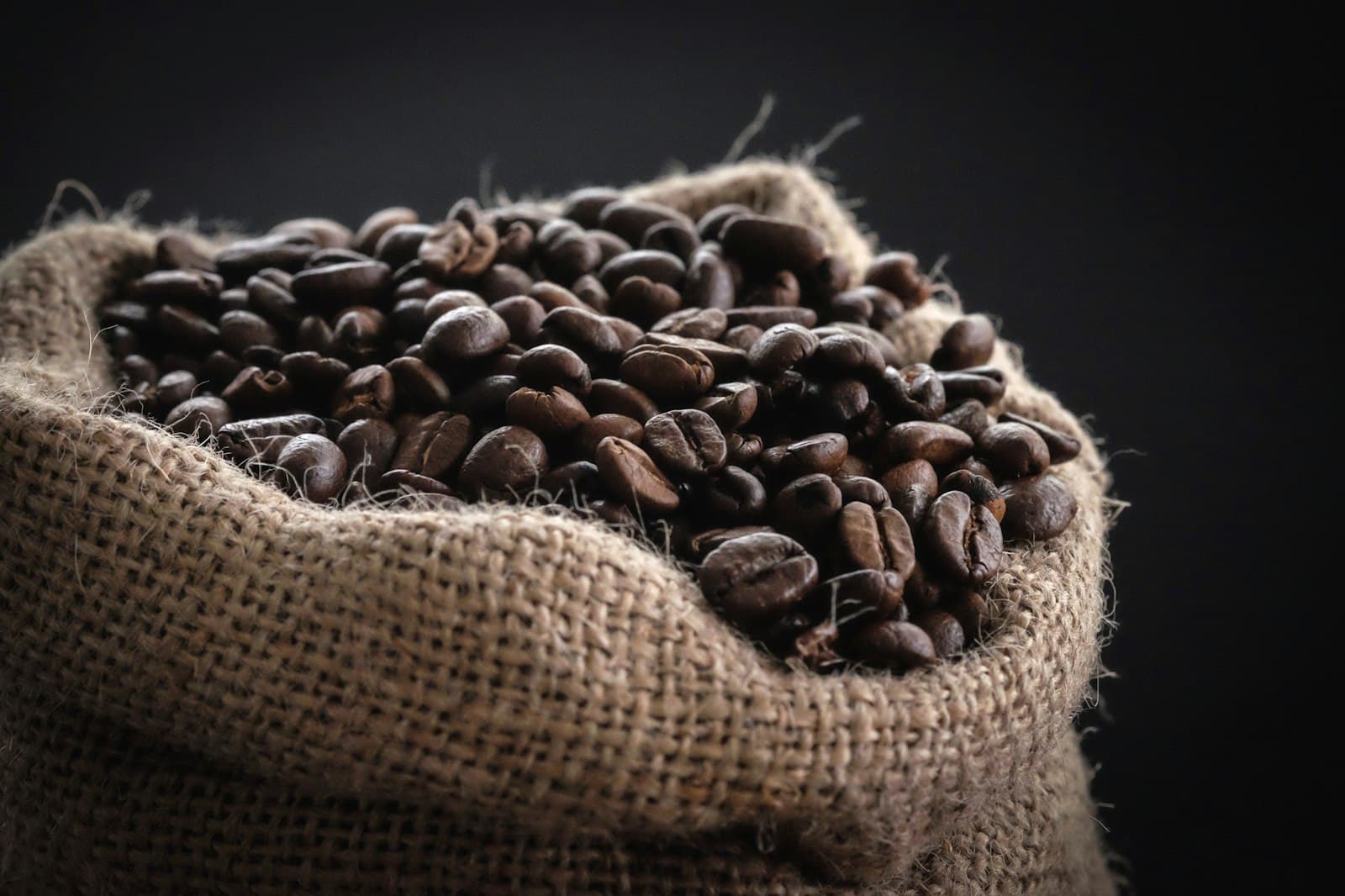
The first thing to grasp is that coffee is not merely a luxury but an “international commodity” traded on a global scale. Coffee is produced mainly in developing countries near the equator, and much of it is consumed in the developed nations of the Northern Hemisphere. Because producing and consuming countries are separated by great distance, beans pass through many hands — from producers to processors, exporters, importers, roasters and retailers — before they reach our cup. Along this long chain, especially at the stage where green beans are traded across borders, the international market becomes the benchmark for price. Like oil or gold, green coffee beans have a “world price for today,” and it reaches from upstream to downstream — from the income of a farm at the origin to the price we pay for a cup.
The C-market — the number that sets the world’s coffee price
The benchmark for the international price of arabica is the “C-market,” traded on the New York futures exchange. The price set here is expressed as so many cents per pound (about 454 grams), and becomes the starting point for arabica green-bean trading worldwide (robusta is benchmarked on the London market). The C-market is a “futures” price — that is, the price of contracts promising future delivery — and it swings widely not only with real demand but with weather forecasts, inventories, exchange rates, and even speculative money flows. If frost or drought is forecast in Brazil, the price of beans not yet even harvested leaps at once; conversely, if a bumper crop is expected or fears of a global recession spread, it plunges. However much care a farm at the origin puts into growing, the price that sets its income is decided by a number on a screen in a far-off market — here lies the structural difficulty of coffee economics.
The C-market is the price of coffee “as a commodity (a standardized good).” Fine differences of origin and quality are reflected as premiums or discounts (differentials) on the benchmark price, but the base level is set by the market. That is exactly why, for producers who want to be fairly rewarded for quality, another road of trade — specialty and direct trade, unbound by the C-market — becomes important.
Volatile prices and the “coffee crisis”
The greatest problem with the C-market is its violent volatility. Coffee prices have historically repeated cycles of multiplying several-fold within a few years, or conversely dropping below half. When prices soar, over-planting occurs around the world, and a few years later oversupply causes a crash — this “bumper-crop poverty” cycle has repeatedly tormented origins. Around the year 2000 in particular, a global oversupply pushed prices far below the cost of production in a “coffee crisis,” and many small farmers fell into hardship, abandoning coffee for other crops, migrant labor, or at times illicit crops. Volatile prices mean farmers cannot predict next year’s income, and cannot commit to long-term investments — replanting varieties, equipment, and adaptation to climate change. Unstable prices make the very future of an origin unstable.
Prices were once managed — the era of the International Coffee Agreement
To understand today’s violent price swings, we need to go back in history a little. In fact, through the latter half of the 20th century, the international price of coffee was long “managed.” That mechanism was the International Coffee Agreement (ICA), which took effect in 1962. It was a landmark international agreement in which coffee-producing and consuming countries gathered under the International Coffee Organization (ICO) and set ceilings (export quotas) on each country’s exports, adjusting world supply to keep prices within a certain band. Supply was tightened so prices would not fall too far, and quotas loosened if they rose too high. During the Cold War, with consuming countries also fearing that poverty in origins could feed political instability, this price-stabilization framework long functioned. For producers, it was a far more predictable world than now.
In 1989, however, this export-quota system was suspended by the collapse of the agreement, and coffee prices were left to the free swings of the market. Supply that had been held back flooded into the market at once, and prices plunged. This coincided with the very period when Vietnam surged to the world’s No. 2 producer through a huge expansion of robusta, leading into the aforementioned “coffee crisis” from the 1990s into the early 2000s. In other words, the violent price swings we see today are by no means an age-old fate, but the state “after” the international framework that stabilized prices was lost. Knowing this history makes it far clearer why “another safety net” like Fairtrade came to be sought.
Where does the price of a cup disappear to?
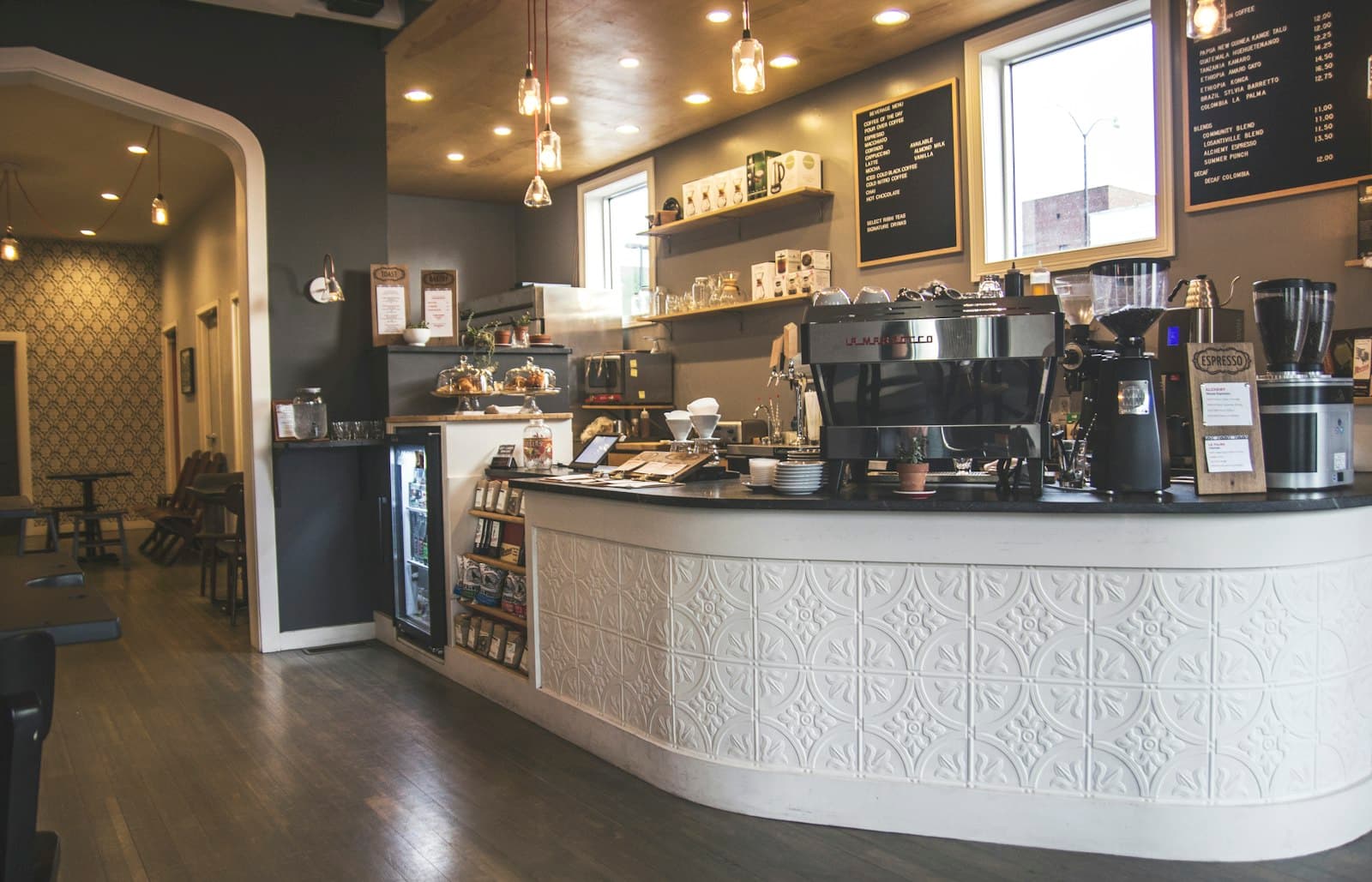
So to whom does the coffee money we pay actually go? The price of a cup of coffee, or of a bag of roasted beans, is distributed among the stages of the long chain from production to consumption. The farm (production), processing and export, import and trade, roasting, and retail and café — each adds effort and cost and layers on value. The problem is that this distribution is not necessarily fair. The producer’s share of the price of a café cup, in particular, is often astonishingly small. Costs and added value on the consuming-country side — roasting, logistics, shop rent and labor, brand — take up a large proportion, and what remains for the farm that grew the beans furthest upstream is only a sliver. This “skew of value” is the imbalance coffee economics has long carried.
This chart shows an image of how the price of a bag of roasted beans is distributed among the stages from production to retail. These are only approximate figures, and they vary greatly with the type of bean and the form of trade, but as a rough tendency, the consuming-country side (roasting and retail) takes more than 60% of the price, and the share of the producer who actually grew the beans often stays around 10%. For a café cup, with shop rent and labor added, the producer’s share of the proportion shrinks further still. This structure is in part the fate of modern trade — “most of the value is created in the consuming country” — but at the same time it holds the problem that producers, who generate the very source of value in the bean, are too little rewarded. That is exactly why movements to make this distribution fairer were born.
Fairtrade — a minimum price as a safety net
The first major answer to the C-market’s volatility and skewed distribution is “Fairtrade.” The heart of the Fairtrade mechanism lies in a “minimum price” guaranteeing producers a set amount however far the international price falls, and a “premium (incentive)” used for the development of the community. Even if the market price crashes, farmers can secure a minimum income and the capacity to keep producing — a safety net for price, so to speak. This lets producers plan investments in education, healthcare and equipment without being tossed about by price swings. Of course, Fairtrade too has various debates — certification costs, the constraints on the cooperatives it targets. Even so, in trying to support, as a system, the livelihoods of producers whom the market alone would not protect, Fairtrade marked a great step in the history of coffee economics. The detailed workings of certification are explained in the Coffee Certification Labels Guide.
Fairtrade, direct trade, specialty — the words differ, but where they aim is close. On one point: “making sure a fair reward reaches the producers who generate the value in the bean.” None is the one and only right answer; each has strengths and challenges. What matters is the consumer’s very perspective of choosing beans with an awareness of the distribution behind the price.
A concept gaining weight in recent debate is the “living income.” This is the level of income needed for producers and their families to lead a basic life — food, housing, education, healthcare. The problem is the reality that not only the price guaranteed by the C-market but even the Fairtrade minimum price does not necessarily reach this “living income.” In other words, there is still a gap between a “minimum safety net” and an income that lets people live a humane life. That is why a movement is spreading to look beyond merely guaranteeing a price, toward how much producers actually receive and whether they can live on it. Seeing Fairtrade and direct trade not as a destination but as a waypoint toward this “living income” brings the challenges of coffee economics into sharper, three-dimensional view.
Specialty and direct trade — turning quality into reward
Another current is specialty coffee and direct trade. Where Fairtrade protects producers with a “minimum-price guarantee,” specialty opened a different road: “evaluating quality fairly and paying a high reward.” Beans of high cup quality command prices far above the C-market. Direct trade is an attempt in which roasters trade directly with producers, reducing intermediaries so that more of the reward that matches quality reaches the farm. For producers, it creates a sound incentive: the more they raise quality with care, the more they are rewarded. For consumers, even if it costs a little more, it becomes a cup where you can see where the money flows. Of course, not every origin and not every farm can step onto the specialty stage, and this too is no cure-all. Even so, this current of trading on “quality” and “relationship” rather than “cheapness” is opening a new possibility for a coffee economy long bound by the C-market.
Frequently asked questions
What is the “C-market”?
It is the price of the New York futures market (the C-market) that serves as the benchmark for the international price of arabica green beans. It is expressed as so many cents per pound, and becomes the starting point for arabica trading worldwide (robusta is benchmarked on the London market). Being a futures market, it swings widely not only with actual supply and demand but with weather forecasts, inventories, exchange rates and speculative money flows. Differences of origin and quality are reflected as premiums or discounts on this benchmark price.
Why do coffee prices swing so much?
Because the C-market is set on a futures market, it moves on factors beyond actual supply and demand. In particular, weather forecasts (frost, drought) in major origins like Brazil greatly move the price of beans not yet harvested. In addition, there is the “bumper-crop poverty” cycle in which high prices spur over-planting worldwide, and oversupply crashes prices a few years later. Exchange rates and inflows of speculative money add to the volatility. This instability is a major reason producers cannot commit to long-term investment.
How much of the money for a cup reaches the producer?
It varies greatly by the form of trade, but in typical commodity trading, the producer’s share of the price of a bag of roasted beans often stays around 10%. For a café cup, with shop rent and labor added, the producer’s share of the proportion shrinks further. Most of the price is taken up by costs and added value on the consuming-country side — roasting, logistics and retail. It is Fairtrade and direct trade that try to correct this skew.
How do Fairtrade and direct trade differ?
Fairtrade is a certification system that guarantees producers a set minimum price and premium (incentive) even if the international price falls, functioning as a “safety net” for price. Direct trade, on the other hand, is an effort in which roasters trade directly with producers, reducing intermediaries so that more of the reward matching quality reaches the farm; it depends on each roaster’s stance rather than being a certification system. Fairtrade protects with a “minimum guarantee,” while direct trade rewards through “quality evaluation and a direct relationship” — thinking of them as different approaches makes it easy to understand.
If I buy expensive coffee, do producers benefit?
Not necessarily. Even if the price is high, if much of it becomes the share of roasting, retail or brand, the return to producers is limited. What matters is not the “height of the price” but “where the money flows.” Fairtrade-certified beans, and direct-trade beans that make clear the producer, farm and background of the deal, are structured so that the reward more easily reaches producers. Choosing with the transparency behind the price as a clue is the shortcut to supporting an origin.
As a consumer, how can I support fair trade?
The first step is to choose Fairtrade-certified or direct-trade beans, and to buy from trustworthy roasters that make producer and farm information clear. Choose a cup where the reason for the price and its distribution are visible, even if a little pricier. Further, everyday attitudes — using beans without waste, enjoying seasonal beans in their prime — also support sustainable production in the long run. Being aware of the people and mechanisms behind the price is the surest form of support.
The price of a cup of coffee is not a simple sum of costs. Woven into it are the numbers swaying daily on the New York market, the long distance between producing and consuming countries, and the story of distribution — where value is created and where it flows. New mechanisms like Fairtrade, specialty and direct trade are trying to support the producers long tossed about by the C-market — coffee economics is being rewritten right now. The next time you pay for a cup, picture for a moment, beyond that number, the people growing beans in a distant origin. To know the price is also to taste this drink called coffee one step more deeply.
Was this article helpful?
Choose & compare
Related links
More articles
A World History of Coffee — From an Ethiopian Legend to the Cup That Moves the World
CultureA Cultural History of the Kissaten — From Ueno’s “Kahi Chakan” to the World’s “KISSATEN”
CultureThe Basics of Pairing Coffee and Food
CultureThe History of Coffee: From an Ethiopian Legend to the "Third Wave"