How to Read a Roaster's Label
Predicting the flavor from roast date, farm name and processing
Learning path · Beginner/Chapter 5
One of the 7 chapters in this level. Tap the button on the right when you finish reading to log your progress.
A bag of specialty coffee carries a lot of information — origin, altitude, farm, variety, processing, roast date. Learn to read it and you can predict the taste before you buy.
Contents · 11
- The main items on a label
- Origin: the resolution tells the quality
- Variety: the DNA of the taste
- Process: the single most important factor for the flavor's direction
- Altitude: the higher, the more complex the flavor
- Roast date: do not buy old beans
- Roast level: the flavor's direction
- Tasting notes: how to set expectations
- Cupping score (if stated)
- A worked example: reading a label
- Frequently asked questions
Buy beans from a specialty roaster for the first time and the sheer amount of information on the back of the bag is startling. "Colombia, Nariño, Buesaco co-op, Catuai, washed, altitude 1,950m, roasted 2026/05/10" — it looks like code, but each item is packed with a clue to predicting the taste. Learn how to read it and you can tell what it will taste like before you buy.
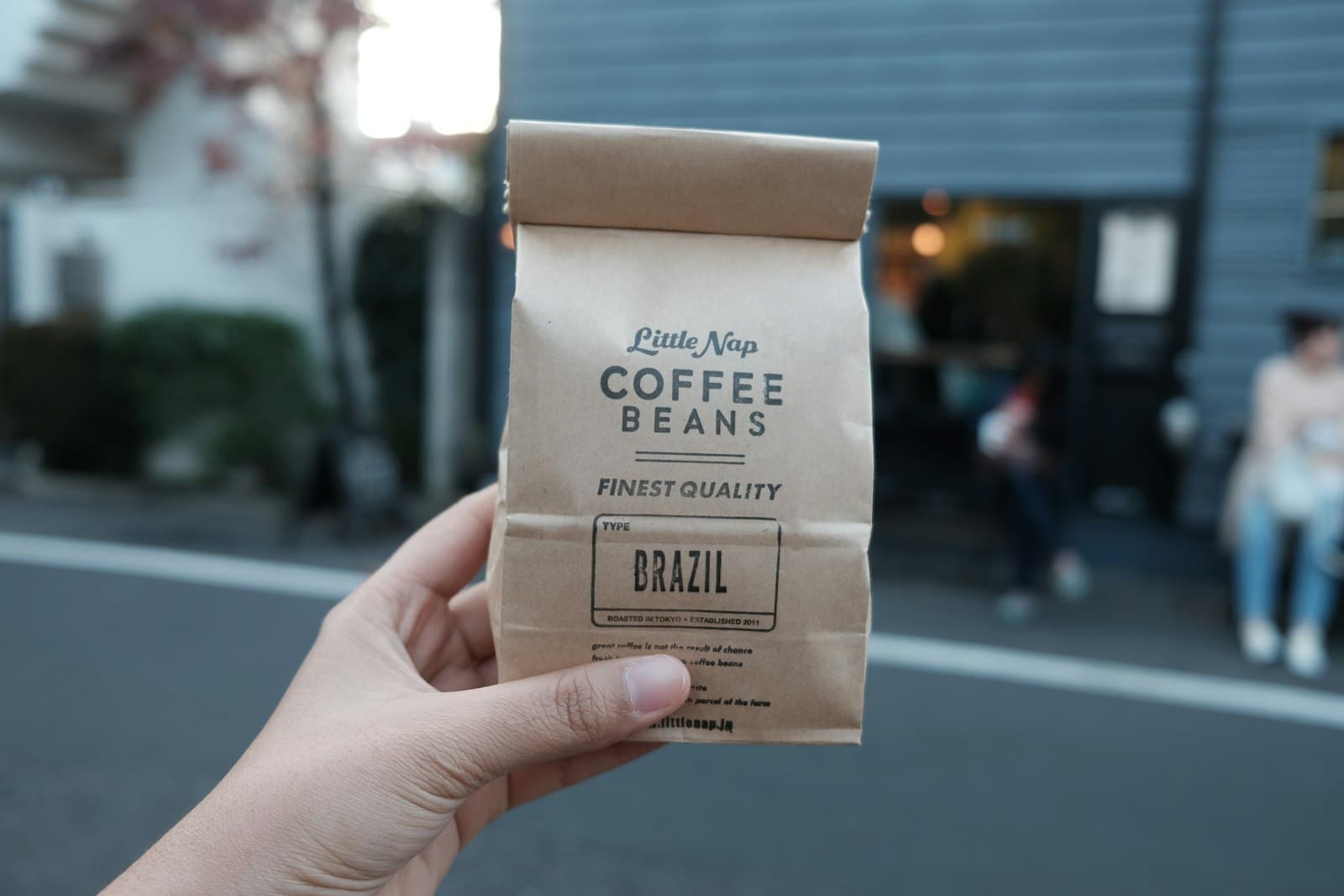
The main items on a label
- Origin: country → state/province → district → co-op/farm
- Variety: Bourbon / Typica / Caturra / Geisha / Heirloom, etc.
- Process: Washed / Natural / Honey / Anaerobic
- Altitude: in meters
- Roast level: Light / Medium / Dark, etc.
- Roast date: YYYY/MM/DD
- Tasting notes: a flavor description
- Cupping score: in the 80s–90s
- Producer: a co-op, farm or individual name
Origin: the resolution tells the quality
The supermarket's "Brazil" or "Colombia" and specialty's "Colombia, Nariño, Buesaco co-op" differ in the resolution of the information. The latter spells out "which state, which area, which cooperative," and that is the evidence of traceability (the ability to track the production history).
- Country only → likely a commercial product in supermarket distribution
- Country + state/province → mid-level specialty
- Country + state + district/co-op → good-quality specialty
- Country + state + farm name (single farm) → high-quality specialty
- Country + state + farm name + plot/lot number → the very top (microlot)
Variety: the DNA of the taste
The coffee variety sets the taste baseline. Memorize the main ones and you can more easily predict the flavor tendency.
- Typica: clean and bright, with a soft sweetness. "The basis of coffee"
- Bourbon: sweet, fruity, complex. The mainstay of much specialty
- Caturra / Catuai: improved Bourbon-line varieties. High-yielding and good quality
- Geisha: jasmine and peach floral aroma. The very top grade
- SL28 / SL34: Kenya's signature varieties. A vivid berry- and tomato-like acidity
- Heirloom: a blend of Ethiopian landraces. Complex and unpredictable
- Pacamara / Maracaturra: large beans with a dense body. Popular in Central America
Process: the single most important factor for the flavor's direction
Even the same farm and the same variety taste completely different with a different process. Understand this and label-reading is half done.
- Washed (Fully Washed): clean and transparent, clear acidity, the origin character easy to show
- Natural (Dry): intense fruitiness, sweet, with berry and wine nuances
- Honey (Pulped Natural): between washed and natural, sweet and well balanced
- Anaerobic (oxygen-free fermentation): tropical, an unusual fermented aroma, limited
- Wet hulled: distinctive to Indonesia, earthy and heavy
When in doubt, Washed suits everyone. If you like fruitiness, Natural. If you prioritize sweetness, Honey. Memorize just this and you can read 80% of a label.
Altitude: the higher, the more complex the flavor
The higher the altitude, the slower the bean grows, concentrating sugars and flavor compounds. Above 1,500m it is called "highland," where quality is stable, and above 1,800m is "super highland," producing world-class beans.
- Up to 1,200m: mostly commercial products
- 1,200–1,500m: mid-level specialty
- 1,500–1,800m: high-quality specialty
- 1,800–2,200m: the finest specialty
- Above 2,200m: ultra-rare lots from parts of Ethiopia and Colombia
Roast date: do not buy old beans
Whether the back of the bag carries the roast date to the day is the bare-minimum measure of a roaster's quality awareness. Be wary of only a "best by" date, or only the "roast month." The specialty norm is "consume within roast date + 30 days."
Roast level: the flavor's direction
- Light roast: fruit, floral, acidity-centered, the origin character shows most
- Medium light: leaning light, well balanced
- Medium: the balanced type, suits everyone
- Medium dark: chocolate and nutty, a café-style taste
- Dark: caramel, smoky, bitterness-centered, small differences between origins
Tasting notes: how to set expectations
Rather than generic phrasing like "mild acidity and rich body," if concrete notes line up such as "jasmine, peach, bergamot, honey," that is the result of the roaster cupping (taste evaluation). That said, tasting notes vary between people, so buying and checking for yourself is the shortcut to improving.
Cupping score (if stated)
- 80–84: the lower bound of specialty, good everyday quality
- 85–86: high quality, for a special day
- 87–89: very high quality, COE-candidate level
- 90+: world-class, a COE-winning lot
A worked example: reading a label
Take "Colombia, Huila, Pitalito, La Palma farm, Caturra, honey, altitude 1,750m, roasted 2026/05/01." What you can predict from this label: (1) high-quality specialty with strong traceability, (2) a clean, bright base from the Caturra variety, (3) sweet, well-balanced acidity from the honey process, (4) concentrated, complex flavor from the 1,750m altitude, (5) freshly roasted, so best 1–2 weeks later. You come to see the outline of the taste before you buy.
Frequently asked questions
Roast date or best-by — which should I look at?
The roast date. The specialty norm is "consume within 30 days of the roast date." Whether the roast date is printed to the day is the bare-minimum measure of a roaster's quality awareness. Be wary of only a "best by" date, or only the "roast month," as the freshness is unreadable.
Should I avoid beans with little label information?
Not necessarily, but a bean whose origin is "country only" is more likely a commercial product. The more the resolution rises — country → state → district → co-op/farm — the higher the traceability and the more stable the quality. A bag with more information makes the taste easier to predict and the learning richer.
In the end, what should I prioritize?
The processing method most decides the direction of the taste. When in doubt, Washed (suits everyone); for fruitiness, Natural; for sweetness, Honey. Then check the roast level (light = showy / dark = bitter) and the roast date (freshness), and you can read most of a label.
Once you can read labels, choosing coffee changes from "a gacha pull" to "a hunt." Put your preferred profile into words and search for the labels that match it. This is the first step toward becoming a coffee enthusiast.
Learning path · Beginner Chapter 5 — Up next
Chapter 6 · Hand-Drip Basics: The Minimal Kit of Gear, Beans and WaterWas this article helpful?
Choose & compare
More articles
The Science of Coffee Aroma — The Story of the “800 Molecules” Rising From a Single Cup
BeansPanama Coffee Deep Dive — The Volcanic Highlands That Bore Geisha, and the Story of the World’s Highest Price
BeansThe Science of Bitterness — What Separates Unpleasant “Bitter” From Pleasant “Bitterness”
BeansCoffee and Climate Change — The “2050 Problem” and the Science of Our Cup’s Future