Costa Rica Coffee Deep Dive: Honey Process and the Micro-Mill Revolution
How a small country the size of Kyushu carved its name into the world through "quality"
Its land is about the size of Kyushu. Even so, Costa Rica is at the forefront of specialty. It banned robusta cultivation by law to focus solely on Arabica, polished the honey process, and let micro-mills make smallholders the stars — we follow that story.
Contents · 8
Costa Rica is a small country about the size of Kyushu. It is not among the top in production volume, but it has led the world's specialty on the single point of "quality." Behind that are a bold national strategy and a revolution that turned smallholders into the stars.
The national strategy of banning robusta
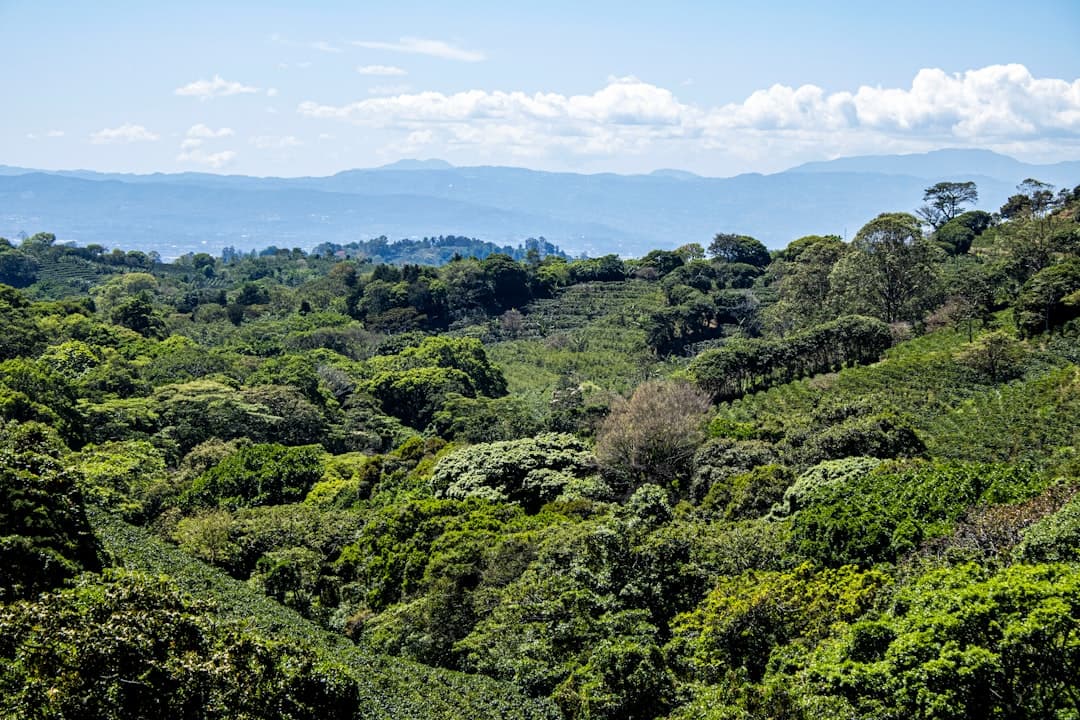
Astonishingly, Costa Rica has banned robusta cultivation by law since 1989. Rather than fleeing to cheap, disease-resistant robusta, the country bet on high-quality Arabica alone. This resolve of "quality specialization" pushed Costa Rica up to a byword for premium coffee.
The home of honey process
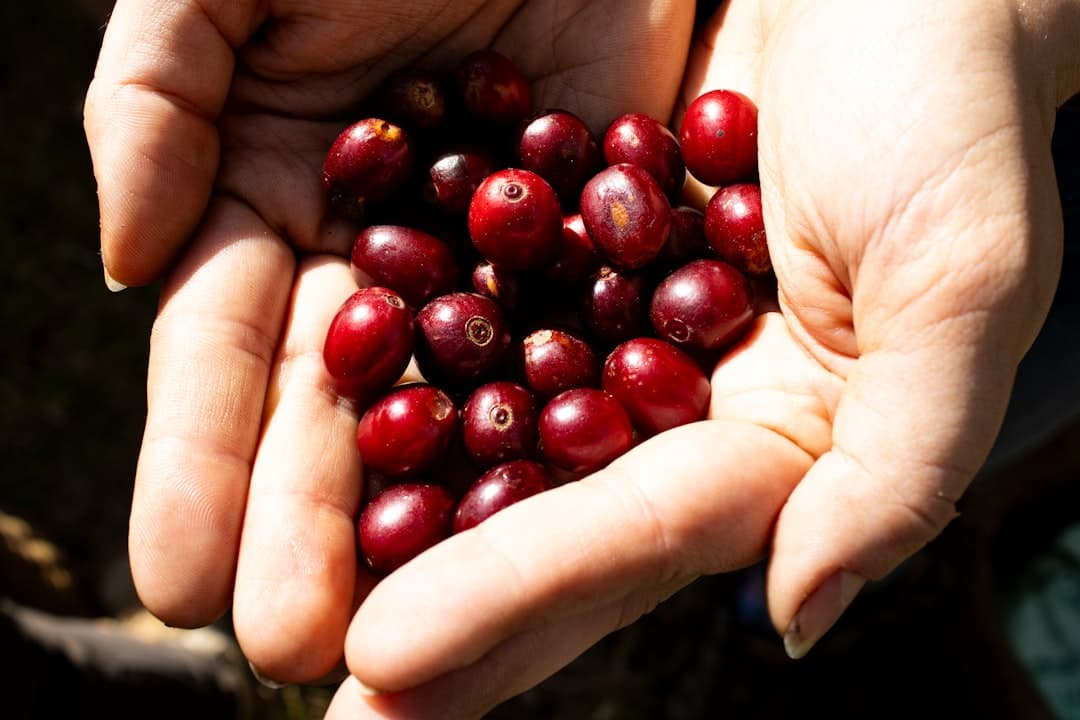
Speak of Costa Rica and it is the honey process. After removing the fruit, the slimy mucilage is deliberately left on during drying. The taste changes with how much is left, and the variants are named by color.
- White / Yellow honey: more mucilage washed off. Clean and light
- Red honey: a moderate amount left. Sweetness and good balance
- Black honey: the most mucilage left. Dense fruitiness and complexity
The micro-mill revolution
What happened in the 2000s was the "micro-mill revolution." Until then smallholders only sold their harvested cherries to large cooperatives and could not tell how their own beans were rated. Then a movement to own small in-house mills spread, and farmers could deliver their own lots to the world under a name. Traceability and diverse processing experiments blossomed at a stroke.
The varieties grown
The stars of Costa Rica's fields are Caturra — a mutation of Bourbon — and Catuaí, which descends from it. Both are short and easy to harvest, and on high-altitude volcanic soil they yield bright acidity and clean sweetness. Lately rare varieties like Villa Sarchí, disease-resistant new-generation hybrids, and plots of the high-priced Geisha have spread too. To grasp the lineage of varieties first, see the variety guide.
- Caturra — the mainstay. Compact, high-yielding, bright acidity and cleanness
- Catuaí — Caturra × Mundo Novo. Weather-hardy and balanced
- Villa Sarchí — rare. Popular in micro-lots for its complex sweetness
- Geisha / new-generation hybrids — the new wave of high-value lots and disease resistance
Major regions
- Tarrazú: bright acidity and sweetness at high altitude. Costa Rica's top region
- West Valley: honey-process experiments are thriving. The balanced type
- Central Valley: near the capital, a traditional region
- Tres Ríos: a famed region called "Costa Rica's Bordeaux"
- Brunca / Guanacaste: distinctive lots are increasing too
Tarrazú's "SHB (Strictly Hard Bean)" is proof of a hard, dense bean grown at 1,200–1,900m. It is a guide to bright acidity and concentrated sweetness.
A nationwide system that protects quality
As the robusta ban symbolizes, in Costa Rica coffee is protected as an "institution." The state body ICAFE (the Coffee Institute of Costa Rica) adjusts by law the shares going to producers, mills, exporters and roasters, and leads research and quality standards. It is the foundation that lets a small country survive on quality rather than price competition. The micro-mill revolution spread as far as it did precisely because of this institutional backing.
Taste characteristics
Clean and well-balanced, with a refreshing citrus-like acidity, the sweetness of honey and brown sugar, and a moderate, solid body as the base line. With few jutting quirks, the appeal is how easy it is to enjoy the differences in sweetness from the honey process. A light-medium to medium roast and a V60 pair well.
V60 basic ratio (1:16)
Beans 15g / Water 240g
Frequently asked questions
What is the difference between honey and natural?
Natural dries the whole fruit with the pulp on; honey removes only the fruit and dries with the mucilage left on. Honey does not ferment as strongly as natural, and its trait is an easier balance of cleanness and sweetness. The taste tendencies of each method are explained systematically in natural vs washed processing.
Which roast level is recommended?
Light-medium to medium is the classic — the citrus acidity and the honey sweetness coexist. A dark roast easily erases the delicate character, so trying it lighter first is recommended. See also the roast levels guide.
How do I choose the honey color (yellow / red / black)?
As a guide: yellow if you like a clean, light cup; red if you want sweetness and balance; black if you want dense fruitiness and complexity. Taste the colors from the same farm side by side and you will see clearly how the amount of mucilage left on translates straight into differences in sweetness and body.
What is a micro-mill?
A micro-mill is a setup where producers own small processing equipment (a mill) themselves and handle everything from harvest through processing and drying in-house. Formerly, large companies bought up and blended the cherries, so each farm's character was buried. The micro-mill revolution let the character of small plots and individual lots be expressed, and Costa Rica became a testing ground for diverse honey processes. High traceability — being able to trace the production history — is another big appeal.
Why did Costa Rica ban robusta cultivation?
To compete as a nation on "quality." Costa Rica banned robusta cultivation by law in 1989 and specialized in Arabica alone (with some conditional easing in recent years). Avoiding being dragged into price competition through mass production, and protecting the brand of high-quality Arabica — this clear strategy led to the micro-mill revolution and the development of honey process.
Costa Rica, the small country that carved its name into the world on "quality" alone. Next time you spot a honey-process bean, do taste the color differences (yellow / red / black) side by side. You will be surprised how much the amount of mucilage changes the taste.
Was this article helpful?
Origins in this article
Choose & compare
Related links
More articles
Nicaragua — Central America’s Quiet Powerhouse, Past Volcanoes and Revolution
BeansThe Science of Processing — From a Single Fruit to a Green Bean, How Fermentation and Drying Decide the Taste
BeansThe Coffee Belt and Terroir — Why Coffee Grows Only in the “Equatorial Band,” and Why Each Origin Tastes Different
BeansWhy Geisha Keeps Breaking the World Price Record