Skip to content
Costa Rica coffee
14PROD. RANK · No.14Costa Rica

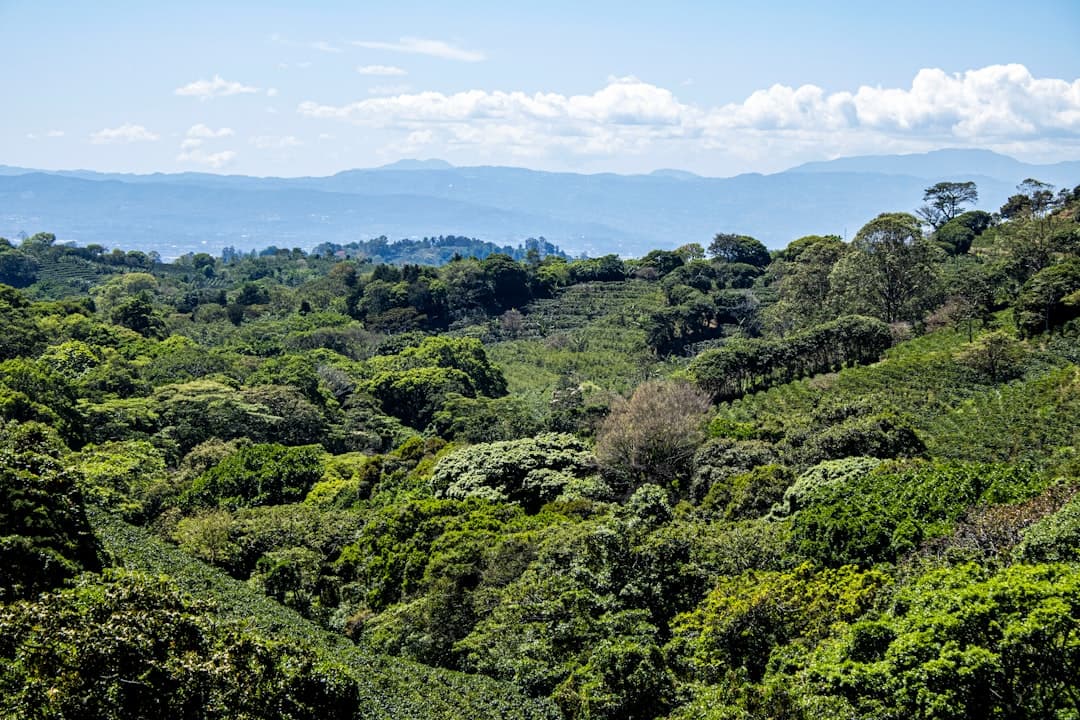
Photo by Paige Laine Elmer on Unsplash

Central America · ORIGIN No.14

コスタリカ

The only country to have banned robusta cultivation by law (1988).

arabicawashed / honey / natural
Log a tasting
§ 01
KEY FIGURES

Key figures

Production rank
World No.14
Central America
Annual production
2.0M bags
60kg / bag
Recommended roast
Medium-light
medium light
Certifications
rainforest_alliance, fair_trade
Certified
§ 02
OVERVIEW

Overview

The only country to have banned robusta cultivation by law (1988). Known as the birthplace of honey processing, with advanced mill (beneficio) techniques.

§ 03
HISTORY · TERROIR · CULTURE

History & culture

Costa Rica is the small giant that has led Central America’s specialty culture. Famously the only country to ban Robusta cultivation by law (1989), it committed itself as a matter of national intent to Arabica and specialty quality. The regional classification — Tarrazú, West Valley, Central Valley, Brunca and others — and the rise of small wet mills known as the micro-mill revolution shape where Costa Rican coffee stands today.

A national policy of banning Robusta

In 1989 Costa Rica made a decision unique in the world: prohibiting the cultivation of Robusta by law. Going all-in on Arabica and specialty quality lifted the country’s baseline and built its brand in the international market. Small as it is, Costa Rica is a fixture of the Cup of Excellence and appears constantly at world barista championships.

The micro-mill revolution and honey processing

In the 2000s came the movement called the micro-mill revolution. Processing that had been concentrated in large cooperatives moved to "micro mills" set up by smallholders themselves, opening an era in which each farm could experiment with and differentiate its own processing. The honey process, graded white → yellow → red → black, was put into wide practice in Costa Rica; its appeal is the flexibility to tune the balance of sweetness and acidity by how much mucilage is left on.

Tarrazú, West Valley, Brunca — eight regions, eight characters

For its size, Costa Rica has eight official coffee regions: Tarrazú, West Valley, Central Valley, Tres Ríos, Brunca, Orosi, Guanacaste and Turrialba. Tarrazú in particular, at 1,600–1,900m, is the flagship — known for some of the brightest acidity and florals in the country. West Valley tends to draw complex sweetness from honey and black-honey processing, while Brunca is the up-and-coming region of organic farming and smallholders.

§ 04
FLAVOR PROFILE

Flavor profile

Production world shareNo. 14
Max altitude max altitude1,900 m
Growing regions growing regions3 regions

Computed from all of Costa Rica’s regions. Max altitude references the SCA-recommended 1,500–2,200m.

FloralFruityAcidityChocolateNuttySpiceBodySweetness
§ 05
FOOD PAIRING

Food pairing

Lemon cake
bright acidity pops
Fruit tart
citrus flavor shines
Yogurt
clean and crisp
Brownie
deepens the chocolate
Tiramisu
richness melds for a long finish
Hazelnut
boosts the toasty notes
§ 06
GROWING REGIONS · 3

Growing regions

§ 07
BREW GUIDE

Recommended brewing

Paper drip
91℃ · Medium
Temp
91
Ratio
1:15
Time
3 min
Grind
Medium

Draws out citrus and honeyed sweetness. For honey-process lots, slightly cooler water emphasizes the sweetness.

AeroPress
87℃ · Medium
Temp
87
Ratio
1:12
Time
2 min
Grind
Medium

A clean cup with sweetness and acidity in balance.

§ 08
RELATED READING

Reading about Costa Rica

§ 09
WHERE TO BUY

Find Costa Rica coffee

Check stock and prices on each retailer. Links marked “PR” are affiliate links; a purchase may earn this site revenue.

§ 10
ROASTERS

Roasters carrying this origin

§ 11
SUBSCRIPTIONS

Subscriptions delivering this origin

Subscription
§ 12
SIMILAR ORIGINS

Similar origins

§ 13
KINDRED REGIONS

Kindred-flavor regions

Starting from flavors common to all of Costa Rica’s regions, here are 3 similar regions from other countries.