Indonesia Coffee Deep Dive: The Scent of the Earth and the Giling Basah Islands
A world-leading producer — why is its distinctive "earthy flavor" born?
Earthy, herbal, spicy — Indonesian coffee divides opinion sharply. Its character is created by a distinctive processing called "giling basah" and the volcanic islands. We dissect the island-by-island differences of Sumatra, Sulawesi, Java and Bali.
Contents · 11
- Why does Indonesia have "the scent of earth"?
- The heavy body that volcanoes and highlands raise
- Different island, different taste: a guide to the major regions
- Varieties: the islands' lineage that rust changed
- Compatibility with roast: why so much medium-dark to dark
- The truth about kopi luwak (civet coffee)
- Indonesia's coffee culture: kopi tubruk and warung kopi
- Recommended brewing
- Roasters where you can buy in Japan
- Tips for the next time you choose Indonesia
- FAQ
One sip and you feel "earthy," "herbal," "like a fern forest" — Indonesian coffee stands at the opposite pole from the bright fruitiness of Ethiopia or Kenya. In a specialty current that prizes cleanness it is a divisive presence, but its heavy, spicy character has ardent fans, and it has been loved worldwide as the foundation of dark-roast blends. Why does only Indonesia get this taste? The keys are "processing" and "the volcanic islands."
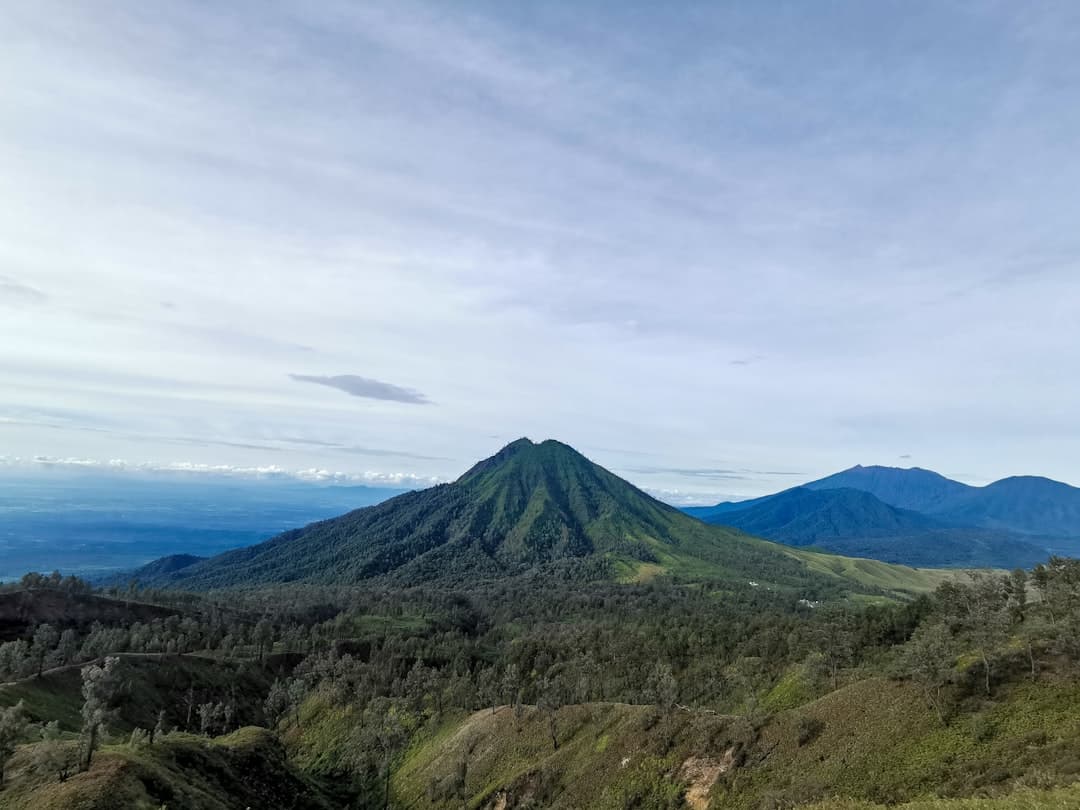
Why does Indonesia have "the scent of earth"?
Most of the answer lies in the processing method. Widely used in Indonesia, especially Sumatra, is "giling basah (wet hulling)," called Wet-Hulled / Semi-Washed in English. In normal washed processing, the bean is dried to 11–12% moisture with the parchment (the inner skin) still on, then hulled. In giling basah, however, the parchment is removed while the bean is still "half-dry" at 30–50% moisture, and the bare bean is then sun-dried as is.
This "drying it bare" step gives the bean its distinctive blue-green color and a flavor of low acidity, heavy body, and notes of earth, herbs, fern, cedar, tobacco and dark chocolate. It is also a method born of practical wisdom — in the humid, equatorial climate where drying takes time, farmers devised it to dry and turn their beans into cash as soon as possible.
Giling basah's "earthiness" is, in global cup evaluation, originally treated as close to a "defect." But in Indonesia it has settled in as a regional character and is, if anything, sought after. "Defect or character" is decided by culture and context — an example packed with what makes coffee fascinating.
The heavy body that volcanoes and highlands raise
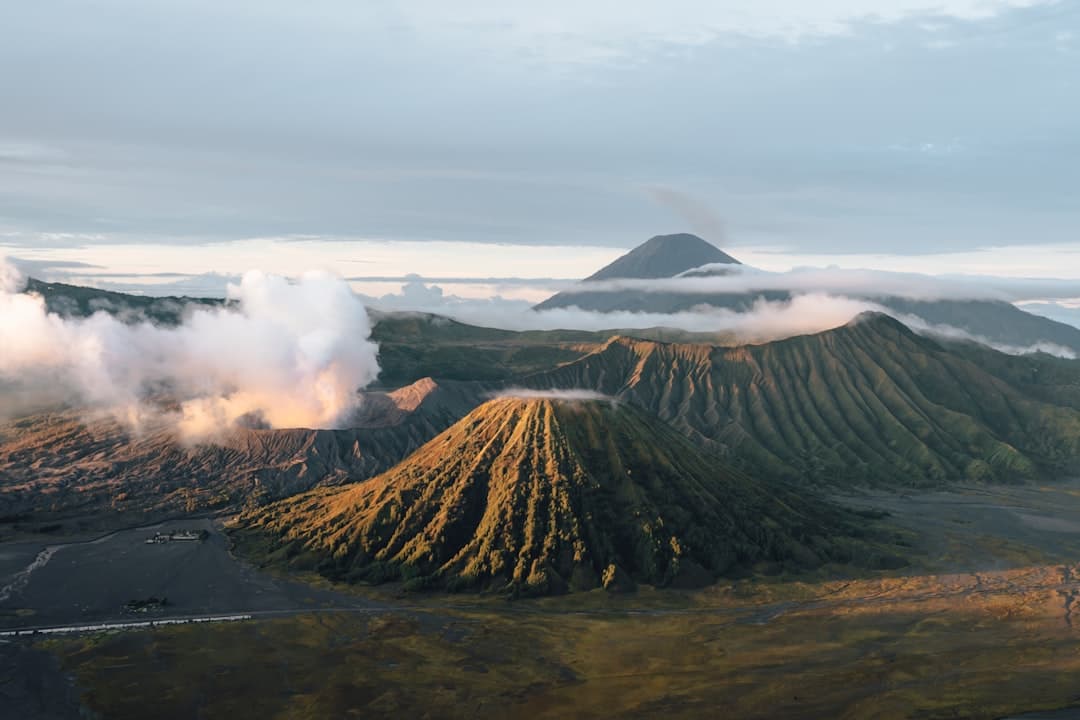
Indonesia is a country of more than ten thousand islands, many of them strung along the Pacific Ring of Fire. Mineral-rich volcanic-ash soil, highlands at 1,000–1,800m, and the stable temperatures and plentiful rain of the equator — this combination produces a common base of a firm, heavy body and low acidity.
- Production is among the world's largest (one of Asia's biggest). But about 70% of the total is robusta; Arabica is the specialty bearer
- Being on the equator, harvest seasons shift by island and region, so something is harvested year-round
- Smallholder-centered, with many regions sharing and dividing wet-mill work
- Volcanic soil + highlands + humidity create the whole country's character of "low acidity, heavy body"
Different island, different taste: a guide to the major regions
It is a waste to speak of Indonesia by "Mandheling" alone. Processing, altitude — and taste — differ greatly by island.
Sumatra — Mandheling / Gayo / Lintong
- Altitude: 1,000–1,500m (the Gayo highlands exceed 1,500m too)
- Processing: giling basah (wet-hulled) is the mainstay
- Flavor: earthy, herb, spice, dark chocolate, cedar; low acidity and an extremely heavy body
- Notable: Indonesia's "the Sumatra." Mandheling is a name derived from the Mandailing people. The Gayo highlands of Aceh are a major area for organic and fair-trade certification, and clean washed lots have increased lately
Sulawesi — Toraja / Kalossi
- Altitude: 1,100–1,800m
- Processing: wet-hulled + washed
- Flavor: dark chocolate, ripe fruit, spice; more delicate and clean than Sumatra
- Notable: the mountain hideaway of Tana Toraja. There is clarity within the heaviness — go here if you are looking for an "easy-drinking Indonesia"
Java — where the history began
- Altitude: 900–1,500m
- Processing: washed + wet-hulled
- Flavor: spice, earthy, chocolate, herb
- Notable: the historic region where the Dutch began cultivation in the 17th century. So much so that "a cup of Java" became a byword for coffee in English. Government-run estates remain, and the long-aged "Old Java" is famous too
Bali — Kintamani
- Altitude: 1,100–1,500m
- Processing: mainly washed
- Flavor: citrus, orange, a creamy sweetness; bright acidity
- Notable: at the foot of Mount Batur. A clean taste born from interplanting with citrus (shade-grown) and the traditional Subak Abian communal water-and-organic management. A geographical-indication (GI) protected region and, for Indonesia, an unusual "bright cup"
Flores — Bajawa
- Altitude: 1,000–1,600m
- Processing: wet-hulled + washed
- Flavor: dark chocolate, earthy, fruity, a faint floral note
- Notable: an emerging eastern region. With brighter acidity than Mandheling, it is a rising star where clean washed lots for specialty are increasing
Varieties: the islands' lineage that rust changed
To talk of Indonesia's varieties, you cannot leave out the events of the 1880s. A great outbreak of rust (a disease that withers coffee leaves) wiped out the then-mainstream Typica from Java, and the Dutch were forced to switch to robusta and introduce disease-resistant varieties. Indonesia's current variety makeup is the very history of that recovery.
- Typica line (Bergendal, Sidikalang): descendants of old Typica that survived rust. Rare and high-quality
- Tim Tim (Timor Hybrid): a natural Arabica × robusta cross, the source of disease resistance
- Ateng: a Catimor line. A disease-resistant variety widely planted in Aceh and Gayo
- Jember (S795): a line introduced from India. The balanced type
- Sigararutang, Andungsari, etc.: locally adapted varieties bred by Indonesian research institutes
Compatibility with roast: why so much medium-dark to dark
The heavy body, low acidity and spice character go well with medium-dark to dark roasts, and traditionally it is roasted firmly to draw out a finish like tobacco or bitter chocolate. It is also a staple for when you want to add "weight" and a "foundation" to an espresso or blend base. On the other hand, the recent clean washed lots from Gayo, Kintamani and Flores are delicious at medium or even light roast, showing a brighter side.
The truth about kopi luwak (civet coffee)
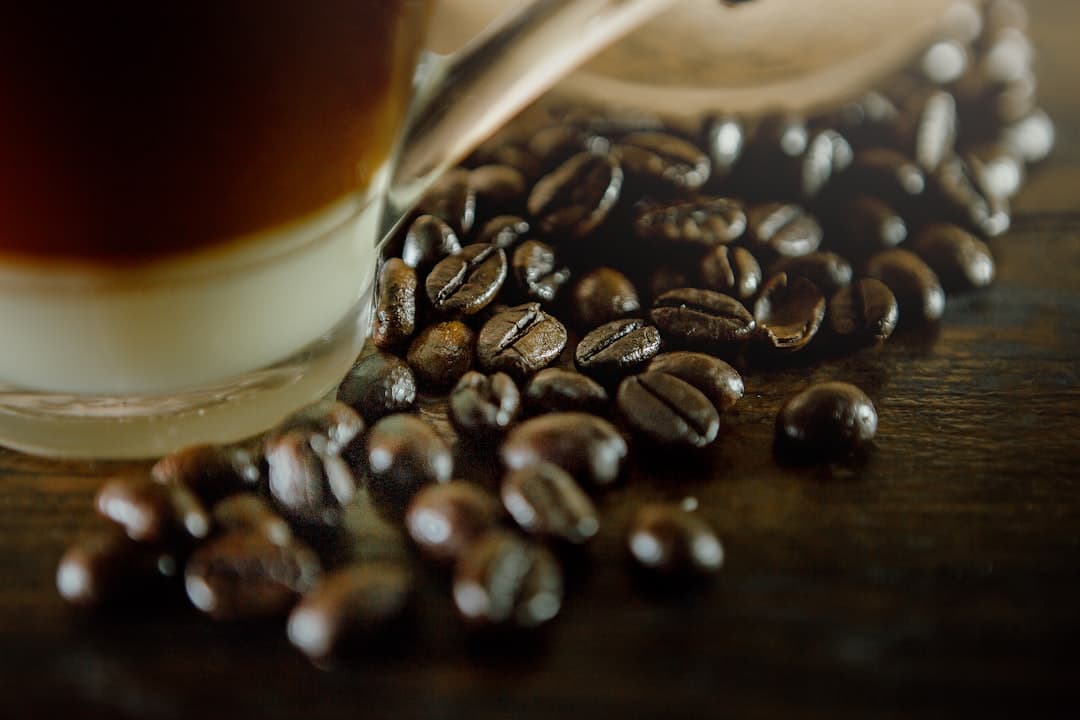
Many hear "Indonesia" and picture "the world's most expensive coffee, kopi luwak." It is beans that a civet (luwak) ate as coffee cherries, excreted through digestion, then washed and roasted. Today, however, experts' evaluation is harsh on both quality and ethics.
It was once a rarity in which wild civets selected only ripe fruit to eat, but a surge in demand led to widespread poor husbandry, confining them in cramped cages and force-feeding them. On top of the animal-welfare problem, the mainstream view is that the cup quality "does not match the high price." Rather than choosing for novelty, we recommend a specialty with a clear producer and method.
Indonesia's coffee culture: kopi tubruk and warung kopi
Indonesia is a giant "growing country" and, at the same time, a "consuming country" that has raised its own drinking culture. The traditional way to brew is "kopi tubruk" — put coarse grounds and sugar straight into a cup, pour hot water, and just wait for the grounds to settle. It is a wild, Turkish-like style that uses no filter. The street "warung kopi (coffee stalls / cafés)" are places of socializing, and in recent years modern specialty cafés have surged in urban areas.
Recommended brewing
Since the heavy body and low acidity are the strengths, extraction that makes the most of that depth suits it.
- French press: a metal filter extracts the oils and body whole. Sumatra at its finest
- Hand drip: with a V60, higher water temperature (92–94°C) and a 1:15 ratio. Keep the weight while holding back off-flavors
- Espresso / blend: rich even on its own. Adding a little to a blend gives a "foundation" and a finish
- Roast level: medium-dark is the classic. Gayo and Kintamani washed are great at medium too
If you have the preconception "Indonesia = earthy and bitter," first try a clean lot of Gayo (Sumatra) or Toraja (Sulawesi) at a medium roast. You will see chocolate and ripe-fruit sweetness within the weight, and your impression will change.
Roasters where you can buy in Japan
- Maruyama Coffee: carries specialty lots such as Gayo and Toraja
- Horiguchi Coffee: Mandheling-line blends and singles are staples
- Doi Coffee: a Mandheling with reliable quality in medium-dark
- Wataru / various house-roasters: shops carrying Gayo and Kintamani washed are increasing
Tips for the next time you choose Indonesia
- Check the "island/region name" on the package (Mandheling / Gayo / Toraja / Kintamani / Flores)
- Look at the processing label: giling basah (wet-hulled) = traditional earthiness, washed = clean and bright
- If you dislike earthiness, start from washed Gayo, Kintamani or Toraja
- To enjoy the heaviness, a French press + medium-dark Mandheling is the classic
FAQ
What is Mandheling?
It is a brand (origin name) given to Arabica grown in northern Sumatra. Not a variety but "the byword for Sumatran" — typically earthy, with a heavy body and low acidity. Its distinctive character, from giling basah processing, has long been loved by dark-roast fans worldwide.
Why does Indonesia have such a distinctive earthy taste?
The biggest factor is the processing method called giling basah (wet hulling). The unusual step of removing the parchment while the bean is still half-dry produces the low acidity, heavy body and earthy (soil, herb, spice) flavor. Understanding the differences in processing makes the reason for this character clear.
Is it for dark roast? Can you drink it light?
Medium-dark to dark is the classic, where the heavy body and dark-chocolate quality shine. On the other hand, washed Gayo and Kintamani can be enjoyed clean at a light to medium roast — so if you dislike earthiness, start there.
The more bright, fruity coffee becomes the world mainstream, the more Indonesia's "scent of the earth" stands out, if anything, as character. When you tire a little of a clean cup, or want a deep, dense coffee on a rainy day — a heavy cup from Sumatra or Sulawesi reminds you of the range of coffee. For your next bag, do try choosing by the island's name.
Was this article helpful?
Choose & compare
Related links
More articles
The Science of Coffee Aroma — The Story of the “800 Molecules” Rising From a Single Cup
BeansPanama Coffee Deep Dive — The Volcanic Highlands That Bore Geisha, and the Story of the World’s Highest Price
BeansThe Science of Bitterness — What Separates Unpleasant “Bitter” From Pleasant “Bitterness”
BeansCoffee and Climate Change — The “2050 Problem” and the Science of Our Cup’s Future