Skip to content
Ethiopia coffee
5PROD. RANK · No.05Ethiopia

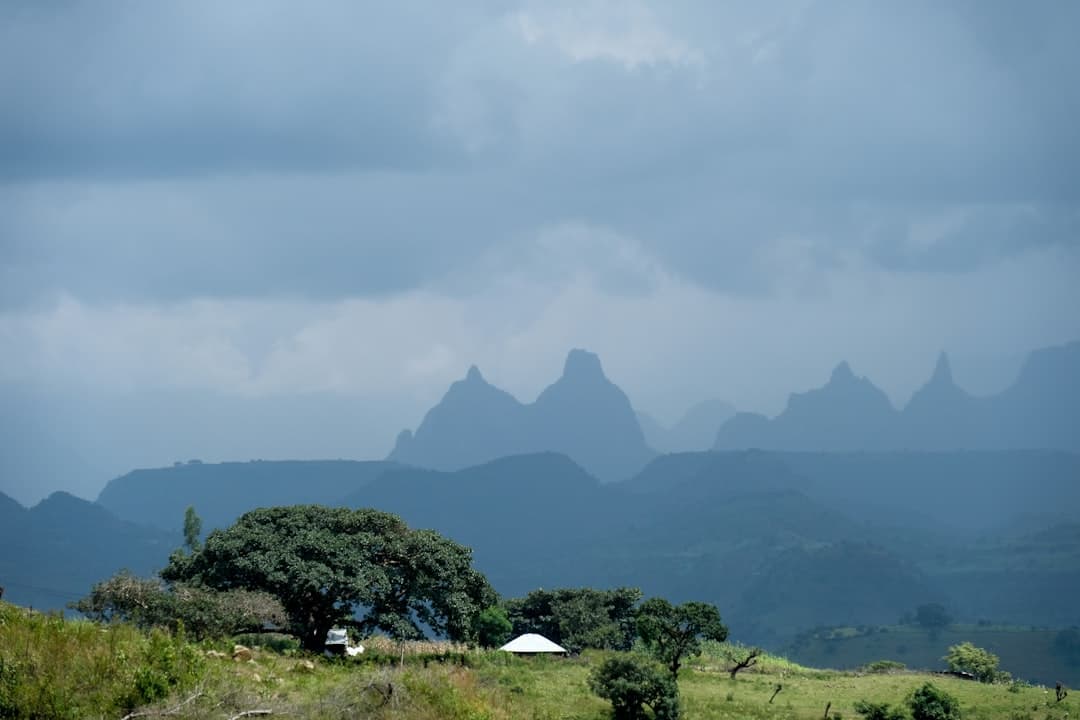
Photo by Daniele Levis Pelusi on Unsplash

Africa · ORIGIN No.05

エチオピア

The birthplace of coffee.

arabicawashed / natural
Log a tasting
§ 01
KEY FIGURES

Key figures

Production rank
World No.5
Africa
Annual production
7.5M bags
60kg / bag
Recommended roast
Light
light
Certifications
organic, fair_trade
Certified
§ 02
OVERVIEW

Overview

The birthplace of coffee. Wild coffee grows here and a vast diversity of heirloom varieties exists. It is also the origin of the Geisha (Gesha) variety.

§ 03
HISTORY · TERROIR · CULTURE

History & culture

Ethiopia is the birthplace of Coffea arabica — the land where the genetic wellspring of every Arabica in the world still lies. The legend of Kaldi, set around the 9th century, is widely told, but the Ethiopian highlands are also believed to be the first place humans drank coffee in any systematic way. A cool climate at 1,500–2,400m, volcanic soils, and the "heirloom" population of thousands of genetic lineages — together these produce some of the most floral, complex flavors in coffee: jasmine, bergamot, blueberry.

A history as the birthplace of coffee

The Kaffa region of southwestern Ethiopia is known as the native habitat where coffee trees grew wild, and is held to be the origin of the very word "coffee" (café, Kaffee). Coffee reached the Arabian Peninsula via Yemen around the 15th century, and every coffee culture that then spread around the world traces back to these highlands. Within Ethiopia, the traditional roasting-and-brewing ceremony "bunna" is still part of daily life: green beans are roasted over charcoal and simmered in a clay vessel called a jebena. It is a rare place where coffee has functioned for over a thousand years not merely as a drink but as a ritual that weaves the community together.

The biological diversity behind "heirloom" varieties

In other producing countries (Brazil, Colombia and the like), a handful of improved Arabica varieties are farmed at scale. Ethiopia instead speaks of "heirloom" — a blanket term for thousands of intermingled native varieties, with flavors particular to each farm and district waiting to be found. That Sidamo, Yirgacheffe, Guji, Limu and Harrar each show a different face "despite all being heirloom" is the phenomenon of varietal diversity itself. The SCA and World Coffee Research treat this diversity as the "genetic bank of Arabica" and a conservation priority, and the Ethiopian government tightly restricts the export of varieties and genetic resources.

Yirgacheffe and Sidamo, natural and washed

Ethiopia’s flagship regions are Yirgacheffe, Sidamo, Guji, Harrar, Jimma and Limu. Yirgacheffe above all has become a byword for "the most floral coffee" — a world-famous name with jasmine, bergamot and lemon-candy aromatics. Both washed and natural processing are traditional, and the same co-op and variety can show an entirely different face depending on the process. Washed lots give tea-like clarity with citrus and florals; naturals build dense, ferment-driven blueberry, strawberry and red-wine notes. Pour two cups side by side — same region, same variety, different process — and the depth of Ethiopian coffee snaps into focus.

§ 04
FLAVOR PROFILE

Flavor profile

Production world shareNo. 5
Max altitude max altitude2,300 m
Growing regions growing regions6 regions

Computed from all of Ethiopia’s regions. Max altitude references the SCA-recommended 1,500–2,200m.

FloralFruityAcidityChocolateNuttySpiceBodySweetness
§ 05
FOOD PAIRING

Food pairing

Macaron
echoes the bright aromatics
Wagashi
complements the delicate sweetness
Earl Grey scone
layers the floral notes
Lemon tart
extends the citrus finish
Earl Grey cake
aromas melt together
Lemon cake
bright acidity pops
§ 06
GROWING REGIONS · 6

Growing regions

§ 07
BREW GUIDE

Recommended brewing

Paper drip
93℃ · Medium-fine
Temp
93
Ratio
1:15
Time
3 min
Grind
Medium-fine

Slightly cooler water draws out the floral aromatics. Pour slowly and the tea-like delicacy comes forward.

AeroPress
85℃ · Medium
Temp
85
Ratio
1:12
Time
2 min
Grind
Medium

Low-temperature, short extraction highlights the jasmine-like aroma. Works well inverted too.

§ 08
RELATED READING

Reading about Ethiopia

§ 09
WHERE TO BUY

Find Ethiopia coffee

Check stock and prices on each retailer. Links marked “PR” are affiliate links; a purchase may earn this site revenue.

§ 10
ROASTERS

Roasters carrying this origin

§ 11
SUBSCRIPTIONS

Subscriptions delivering this origin

Subscription
§ 12
SIMILAR ORIGINS

Similar origins

§ 13
KINDRED REGIONS

Kindred-flavor regions

Starting from flavors common to all of Ethiopia’s regions, here are 3 similar regions from other countries.