Skip to content
India coffee
7PROD. RANK · No.07India

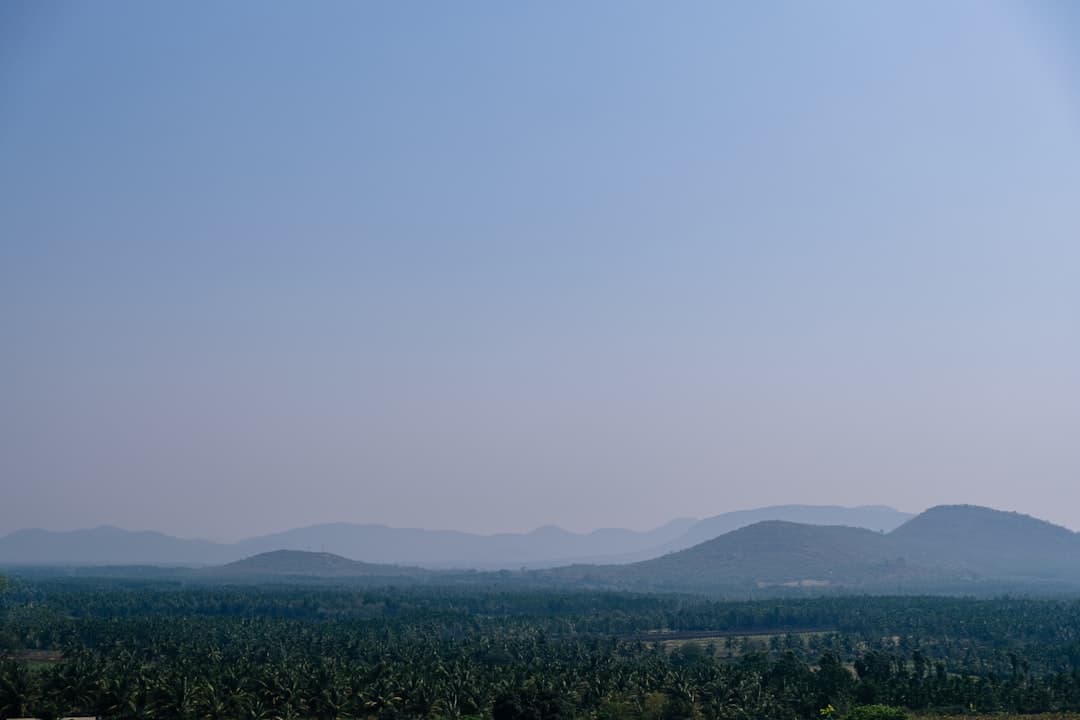
Photo by Ravigopal Kesari on Unsplash

Asia · ORIGIN No.07

インド

The Western Ghats of southern India are the main region.

arabicarobustawashed / natural
Log a tasting
§ 01
KEY FIGURES

Key figures

Production rank
World No.7
Asia
Annual production
6.5M bags
60kg / bag
Recommended roast
Medium-dark
medium dark
Certifications
organic, fair_trade, rainforest_alliance
Certified
§ 02
OVERVIEW

Overview

The Western Ghats of southern India are the main region. Known for the unique 'monsooned' process. Much is shade-grown under spice-plantation canopies.

§ 03
HISTORY · TERROIR · CULTURE

History & culture

India is one of Asia’s leading producers, with a personality all its own: the unique "Monsooned Malabar" process and a tradition of shade-grown coffee raised under forest canopy. The south — Karnataka (Coorg, Chikmagalur), Kerala, Tamil Nadu — is the heartland. The cup is commonly described as round and full: spice, earthy depth, gentle acidity.

Monsooned Malabar, a process like no other

What made India world-famous is "monsooning." Its origin is traced to the long sailing voyages to Europe, during which beans swelled and mellowed in the damp sea air. Today, on the Malabar coast, the effect is recreated by exposing harvested beans to the humid monsoon winds for several weeks. Acidity falls away, the beans swell to a golden hue, and a heavy, smooth flavor of earth, spice and nut emerges. It holds a singular place among drinkers who prefer low-acid, body-first coffee.

The shade-grown tradition

Most Indian coffee is shade-grown beneath tall trees, often interplanted with pepper, cardamom and vanilla — farm landscapes rich in biodiversity. The slow ripening away from direct sun is credited with gentle acidity and deep sweetness. Robusta thrives alongside Arabica; Indian Robusta is known for its quality and has long been prized in Europe as the crema backbone of espresso blends.

Araku Valley and tribal organic farming

The Araku Valley in eastern Andhra Pradesh is a relatively new origin where indigenous tribal communities farm organically. In valleys at 900–1,300m, grown without synthetic fertilizer, the coffee drinks fruity and bright — and has placed at international competitions. Distinct from the traditional South Indian image of heavy body, this delicate, clean profile points to a new possibility for Indian coffee.

§ 04
FLAVOR PROFILE

Flavor profile

Production world shareNo. 7
Max altitude max altitude1,800 m
Growing regions growing regions3 regions

Computed from all of India’s regions. Max altitude references the SCA-recommended 1,500–2,200m.

FloralFruityAcidityChocolateNuttySpiceBodySweetness
§ 05
FOOD PAIRING

Food pairing

Macaron
echoes the bright aromatics
Wagashi
complements the delicate sweetness
Earl Grey scone
layers the floral notes
Lemon cake
bright acidity pops
Fruit tart
citrus flavor shines
Yogurt
clean and crisp
§ 06
GROWING REGIONS · 3

Growing regions

§ 07
BREW GUIDE

Recommended brewing

Espresso
93℃ · Fine
Temp
93
Ratio
1:2.5
Time
27 sec
Grind
Fine

Concentrates the spicy aroma and body. Monsooned Malabar shines at darker roasts.

French press
93℃ · Coarse
Temp
93
Ratio
1:13
Time
4 min
Grind
Coarse

A weighty cup of spice and chocolate — delicious with milk too.

§ 08
RELATED READING

Reading about India

§ 09
WHERE TO BUY

Find India coffee

Check stock and prices on each retailer. Links marked “PR” are affiliate links; a purchase may earn this site revenue.

§ 10
ROASTERS

Roasters carrying this origin

§ 11
SUBSCRIPTIONS

Subscriptions delivering this origin

Subscription
§ 12
SIMILAR ORIGINS

Similar origins

§ 13
KINDRED REGIONS

Kindred-flavor regions

Starting from flavors common to all of India’s regions, here are 3 similar regions from other countries.