Mexico Coffee Deep Dive: North America’s Largest Organic Powerhouse and the Sweetness of “Altura”
Indigenous smallholders, Chiapas and Oaxaca, and the comeback from leaf rust
Mild and clean, with the gentle sweetness of chocolate and nuts — Mexico is a coffee powerhouse loved worldwide for its “drinkability.” North America’s largest producer and one of the world’s leading organic coffee origins. We follow the smallholder-driven cultivation, the highlands of Chiapas and Oaxaca, the altitude-based “Altura” grade, and the comeback from leaf rust.
Contents · 9
Low on quirks, mild and clean. A gentle sweetness like chocolate and nuts, with a soft acidity — Mexican coffee has been loved worldwide for an “everyday drinkability.” It is North America’s largest producer and one of the world’s leading organic origins. Behind that taste are indigenous smallholders, highland nature, and a story of comeback from crisis.
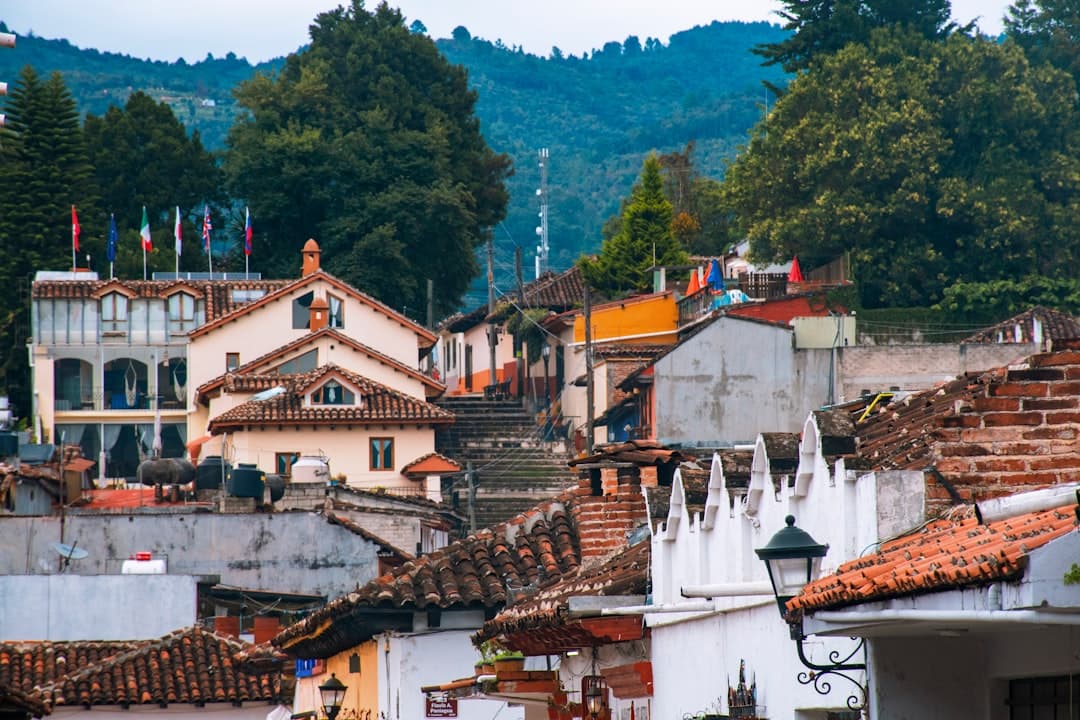
Why Mexico is special
- North America’s largest producer: among the world’s top in volume
- A leading organic powerhouse: among the world’s top in certified-organic coffee output
- Indigenous smallholders are the stars: communities like the Maya and Zapotec sustain it
- The “Altura” grade: a homegrown yardstick that grades quality by altitude
- The US market next door: geographically close to the world’s largest consumer, the United States
Most Mexican coffee farmers are smallholders with a few hectares or less, and many are indigenous communities. Because scaling up is hard in the mountains, organic and shade-grown cultivation without chemical fertilizer took root — and as a result Mexico became a major source of fair-trade and organic-certified coffee.
Flavor profile — gentle sweetness and cleanliness
The Mexican archetype is a clean style: a light to medium body layered with the sweetness of chocolate, nuts and brown sugar, and a soft citrus acidity. Its strength is “balance and drinkability” over jutting character, which is why it is prized as a blend and espresso base. Meanwhile, highland lots (Altura) from Chiapas and Oaxaca can show the complexity of florals and stone fruit.
- Chocolate / nuts: the heart of Mexico’s gentle sweetness
- Brown sugar: a soft sweetness like unrefined sugar
- Mild citrus acidity: not sharp, with a clean finish
- Highland complexity: Altura adds delicacy like florals and peach
“Altura” — a grade set by altitude
The “Altura” you often see on Mexican labels is Spanish for “highland.” It is a grade label based on the Central American idea that the higher the altitude, the harder and denser the bean, and the higher the quality.
- SHG (Strictly High Grown) / Altura: about 1,300–1,700m and above. The top grade
- HG (High Grown): about 1,000–1,300m. The balanced type
- Prime washed: lower altitude. Mild and for everyday
“Altura = highland-grown” is a useful quality guide, but it does not determine taste as much as region or variety do. Reading it together with a region name like Chiapas or Oaxaca lets you choose beans more precisely.
Major regions
- Chiapas: Mexico’s largest and highest-quality region. Near the Guatemalan border, with a similar, complex flavor
- Oaxaca: a traditional organic region. The Pluma district has been historically well-rated
- Veracruz: a traditional Gulf-coast region centered on the Coatepec district, delicate
- Puebla: a highland region where smallholder organic farming thrives
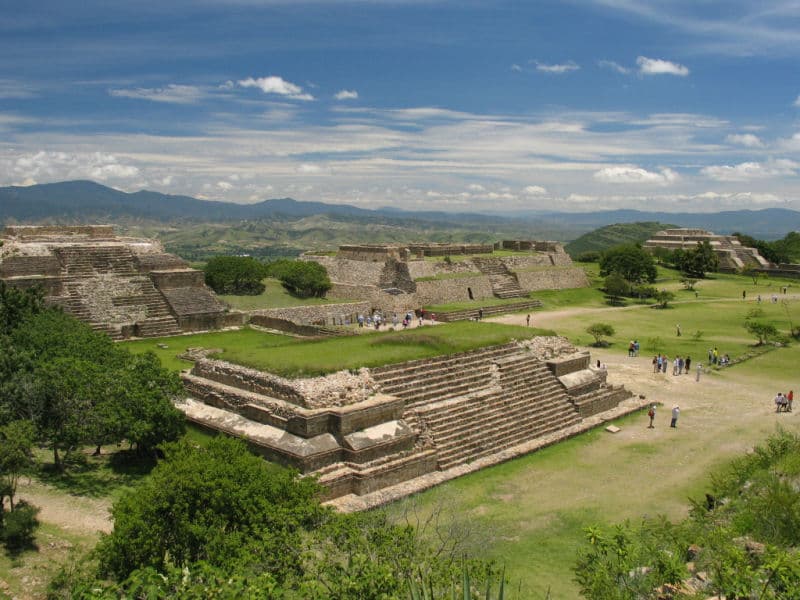
The comeback from leaf rust (la roya)
Around 2012–2014, “leaf rust (la roya),” which withers coffee leaves, swept across Central America, and Mexico’s output fell sharply too. Many smallholders were hit, but replanting with rust-resistant varieties and improved crop management followed, and production is on a recovery track. The crisis also became a turning point for rethinking quality and disease control.
Café de olla — a Mexican tradition
Beloved in Mexican homes is “café de olla” (pot coffee): coffee simmered in an earthen clay pot and sweetly scented with cinnamon and piloncillo (unrefined sugar). It is a different thing from specialty coffee, but a cup you cannot leave out when talking about Mexican coffee culture.
Recommended brewing
Being balanced and low on quirks, Mexico pairs well with any brewing method. Drip it at a medium roast and you get chocolate sweetness and a clean finish. For highland lots (Altura), roasting a touch lighter to bring out fruit is also recommended.
Basic V60 ratio (1:16)
Beans 15g / Water 240g
- Roast: medium for chocolate and balance; light-medium for highland lots to add fruit
- Brewing: versatile with paper drip; also great as an espresso base
- For beginners too: low on quirks, it suits practicing hand drip
Tips for buying Mexico next time
- Checking a region name like Chiapas / Oaxaca makes it hard to miss
- “Altura / SHG” is a guide to highland growing — clean and dense
- Organic and fair-trade certified lots are plentiful and easy to choose
- Start with medium roast for everyday; once used to it, try a highland light roast for fruit
Frequently asked questions
Why is Mexican coffee called so “easy to drink”?
Because it is a balanced type: a light-to-medium body layered with the gentle sweetness of chocolate and nuts and a mild acidity. With few jutting quirks, it is approachable even for people who dislike the flamboyant acidity of light roasts — which is exactly why it suits the daily cup and the base of a blend or espresso.
Does “Altura” on the label mean high quality?
Altura is a grade label meaning “highland-grown,” and it is a useful guide to the tendency of a denser, higher-quality bean. But it does not determine taste as much as region or variety do. Reading it together with a region name like Chiapas or Oaxaca lets you choose a bean to your taste more reliably.
Why is so much Mexican coffee organic-certified?
Because it is centered on small, indigenous mountain farms where scaling up and relying on chemical fertilizer were hard. As a result shade-grown and organic cultivation took root, and fair-trade and organic-certified lots are plentiful — an easy origin to choose for anyone who values certification.
Mexican coffee is about “an everyday gentleness” rather than flash. That cup is the fruit of mountain indigenous communities growing it organically and overcoming a crisis like leaf rust. Whether you find the lack of quirks underwhelming or an untiring virtue — check it for yourself with the next cup.
Was this article helpful?
Choose & compare
Related links
More articles