How Far Water Temperature Changes the Taste: 88°C vs 96°C
The same bean, a different drink — understood through physics and chemistry
Learning path · Intermediate/Chapter 2
One of the 7 chapters in this level. Tap the button on the right when you finish reading to log your progress.
For anyone who hears "just change the water temperature and the taste changes" but cannot quite feel it: why it changes, what changes, and where the best point sits, explained scientifically. We go deeper into the chemistry of extraction and the right temperatures by roast level and brew method.
Contents · 9
When you get into specialty coffee and buy a thermometer, the first discovery is that "a 2°C difference changes the taste." This is not your imagination — the compounds in coffee dissolve out differently depending on temperature.
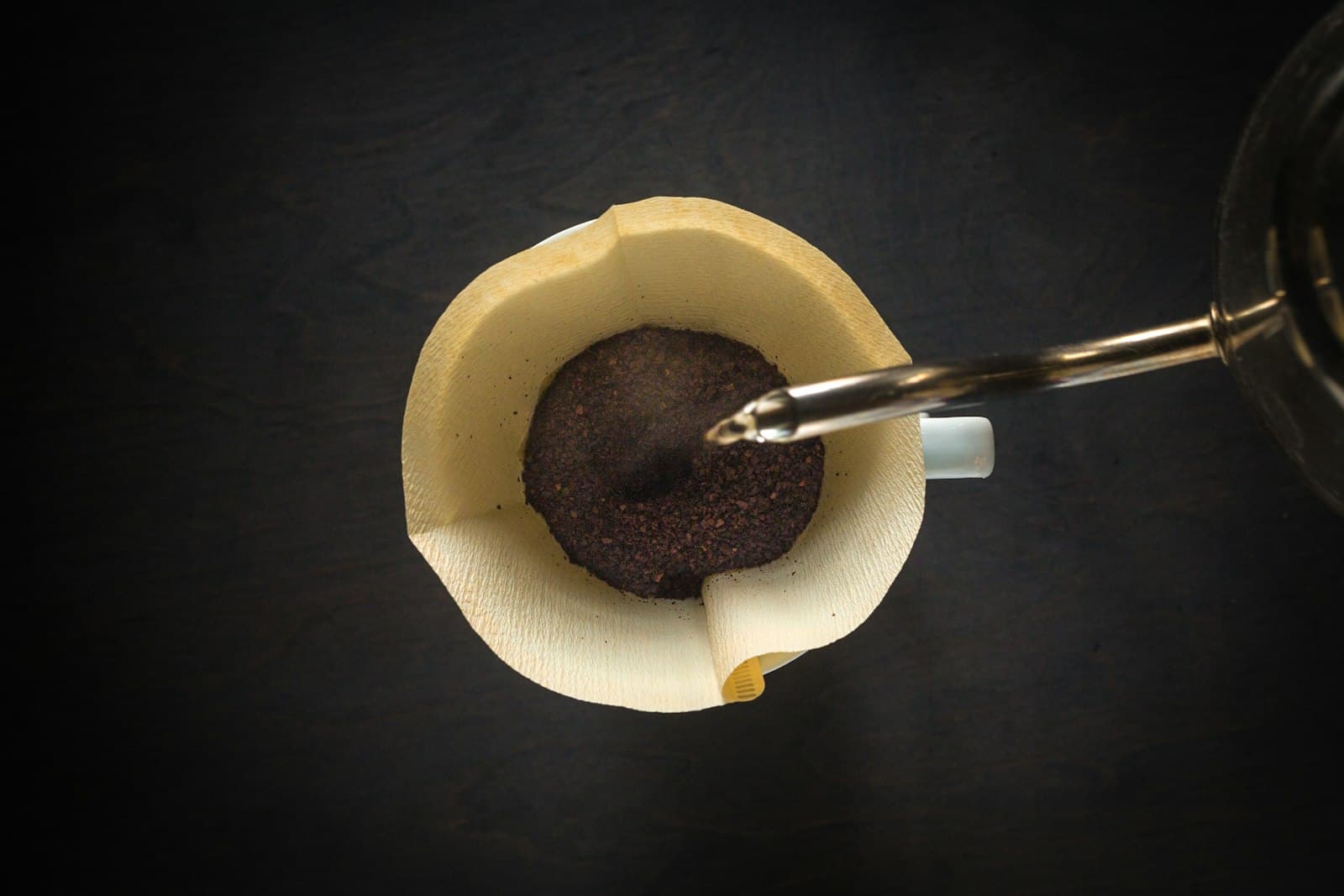
What gets extracted from coffee
The main substances extracted from roasted coffee beans fall roughly into three groups: acids (organic acids), sugars (sweetness) and bitter compounds (caffeine, tannins, melanoidins). They differ in how fast they dissolve and how sensitive they are to temperature.
- Acids → extracted fastest, even at low temperatures
- Sugars → dissolve best in the mid range (90–93°C)
- Bitter compounds → extracted slowly, at high temperature and over long times
Why temperature changes how things dissolve
Two things are key: solubility and extraction rate. The higher the temperature, the more vigorous the molecular motion and the faster compounds dissolve out of the bean tissue — the same principle by which sugar dissolves faster in hot water than cold. The catch is that acids, sugars and bitter compounds respond to temperature differently. Acids come out fairly quickly even when cool, but the medium-to-large molecules behind richness and sweetness, and the bitter compounds, only emerge fully at higher temperatures. So moving the temperature changes the proportions in which the three groups appear — the balance — and the impression of the taste shifts dramatically.
At the same temperature, the finer the grind and the longer the contact time, the further extraction goes. Temperature, grind and time are linked dials. Moving just one at a time and checking the result is the shortcut to understanding taste (see also the basics of yield and TDS).
What happens at 88°C
At a lower temperature the acids come out first and the bitter compounds barely dissolve. The result is a "bright, clean, fruity" cup. It is ideal for light-roast beans like Ethiopia and Kenya, where you want to draw out the acidity and a floral character. The trade-off is a lighter body with little richness.
What happens at 96°C
At a higher temperature bitterness and richness come on strong. It works for dark-roast beans, or when you want to pull out chocolate and nutty flavors. Brew a light roast hot, however, and you can over-extract it, producing an "astringent, stabbing sourness."
Recommended water temperatures by roast level (rough guide): light 92–94°C / medium 90–92°C / dark 86–90°C. See also roast levels explained.
The right temperature shifts by brew method too
Even the same "right temperature" lands at a different optimum depending on the method. The longer the water and grounds stay in contact, the more readily compounds come out even at a lower temperature. Use the ranges below as a starting point for the gear in front of you.
- Paper drip: 88–94°C. The basic range you adjust by roast level (pair it with the grind size guide)
- French press: 92–96°C. Immersion means long contact, so it resists over-extraction even a touch hotter (French press vs V60)
- Espresso: 90–96°C. Managed by the machine, fine-tuned in 0.5–1°C steps to the bean and the goal
- Cold brew: room-temperature to cold water. It makes up for the low temperature with "time" — 8–16 hours (cold brew vs iced)
Try it with the same bean
This is easy to feel at home. With the same bean, the same dose and the same brew time, brew three cups varying only the temperature: 88°C, 92°C and 95°C. You will be surprised at how the aroma, acidity, sweetness and finish change, as if they were different beans.
How to measure the temperature
Water straight off the boil in a drip kettle is about 98°C. Pour it once into another vessel and it drops to about 93°C; twice and about 88°C. Still, if you want precision a thermometer is handy. An immersion thermometer around ¥2,000 is plenty. If your electric kettle has a temperature setting, that is the most reliable of all.
What pro baristas do
World Barista Champion Hidenori Izaki has said that "even with the same bean, I vary the water temperature in 0.5°C steps to find the optimum." You do not need to go that far at home, but "being conscious of a 2°C difference" is a doorway to understanding coffee one level deeper.
FAQ
What temperature should I start from?
If in doubt, take 92°C as your baseline — it works across all roast levels. If the cup is "sour or thin," go +2°C; if "bitter or heavy," go −2°C. Fixing one baseline and moving from there is the fastest way to improve.
Is it bad to use water straight off the boil?
For anything but dark roasts it is often too hot. 98°C easily over-extracts light-to-medium roasts, drawing out astringency and a stabbing acidity. Just cooling it a little (pour into another vessel, or wait 30 seconds) settles the taste.
I lowered the temperature and it went weak. What now?
Lowering the temperature also lowers how much you extract, so tasting weaker is a natural response. To raise only the strength while keeping the cleanliness, leave the temperature alone and try one of: grind a little finer, add 1–2g of beans, or add a pour to lengthen the contact time. The water itself matters too, so if it bothers you, check the water-quality story.
How do I keep the water temperature steady in a paper drip?
The water cools more than you would think while you pour. Three tips: first, pre-warm the kettle; second, preheat the dripper and server with rinse water; third, finish the brew within three minutes. The longer you keep pouring, the cooler the later water gets and the more the extraction balance breaks down. A variable-temperature kettle holds your set temperature, so it is the most stable of all.
What happens to water temperature at high altitude?
As altitude rises, air pressure drops and so does water's boiling point. At 2,000m, for example, water boils at about 93°C; at the summit of Mt. Fuji, about 88°C. So at altitude, even "straight off the boil" is not as hot as at sea level. It is rarely a problem for mostly dark roasts, but if you want a higher temperature for light roasts, actively securing the heat with a variable-temperature kettle keeps things stable.
Does reheated (twice-boiled) water affect the taste?
No need to be fussy, but water boiled again and again loses dissolved oxygen and is said to taste slightly "flat." If it bothers you, boil fresh water each time. Water from a pot kept hot for a long time gives a less clean impression than freshly boiled water cooled a little. It is not as big a difference as the temperature itself, but if you are chasing the last details, water freshness is one factor.
Water temperature or grind — which do I adjust first?
The recommendation is to fix the temperature at a baseline (around 92°C) first and set the broad direction with the grind. Grind has the largest effect on yield and can move the sour/astringent axis a great deal. Then, doing the last bit of fine-tuning with temperature keeps you from getting lost. Move the two at once and you lose track of the cause, so the iron rule is to change only one thing at a time.
Water temperature is the easiest dial you can move today without buying new gear. On your next cup, try changing it by just 2°C first.
Learning path · Intermediate Chapter 2 — Up next
Chapter 3 · French Press vs V60: What Changes with the Same BeansWas this article helpful?
Choose & compare
More articles