India Coffee Deep Dive: The "Mellowed" Cup the Monsoon Raises
The forests of the Western Ghats, spice estates, and the world's only processing method
"Monsooned Malabar," made by exposing beans to the damp monsoon winds for months. A one-of-a-kind coffee where acidity all but vanishes and aromas of earth, wood and spice rise. We explain the whole picture of Indian coffee, grown in shade-grown forests, starting from the legend of its origin.
Contents · 8
Not many people picture India as a coffee origin. But India is the world's 7th-largest producer and, moreover, an extremely distinctive country with the world's only processing method, "monsooned." Almost no acidity, and a "mellowed" flavor reminiscent of earth, wood and spice. Opinions divide, but its uniqueness ranks alongside Indonesia as a leading "processing makes the taste" story. Let us look from the legend of its origin.
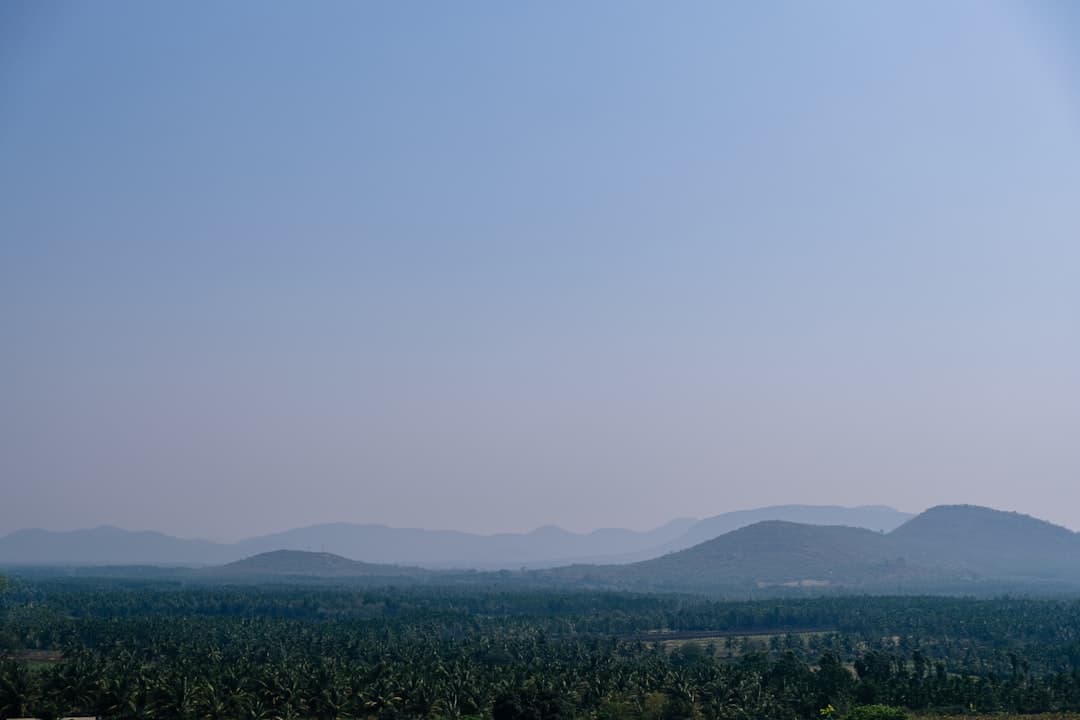
It begins with the legend of "seven seeds"
Indian coffee is said to have begun with a certain act of smuggling in the 17th century. The Sufi (Islamic mystic) saint Baba Budan, on the way back from his pilgrimage to Mecca, encountered coffee at the port of Mocha in Yemen, and hid seven green beans — then strictly forbidden to take out — in his beard, carried them back to India, and planted them on a hill in Chikmagalur in southern India. To this day that hill is called "Baba Budan Giri." Yemen, the source of the world's coffee, and India are connected in this way.
"Seven" is a sacred number in Islam. Because green beans do not germinate once roasted or boiled, taking out living seeds was strictly forbidden. Baba Budan's seven beans are a symbolic tale of breaking that ban.
The "reproduction" called Monsooned Malabar
India's greatest feature is monsooned processing. In the age of sailing ships, India's green beans were carried to Europe over months-long voyages, during which the damp sea winds swelled the beans, drained their green color to a pale gold, and stripped away the acidity. When fast ships and sealed containers later spread, beans arrived "fresh," and Europeans pined for that "mellowed" taste. So India deliberately reproduced that change.
Harvested natural-processed beans are spread thinly in well-ventilated warehouses on the Malabar Coast (the Kerala / Karnataka shore) during the southwest monsoon season (June–September) and exposed to the damp seasonal winds for about 3–4 months. The beans absorb moisture and swell, turn pale gold, lose nearly all acidity, and take on a heavy flavor of earthiness, wood, spice and nut, with a thick, syrupy body.
Monsooned Malabar deliberately recreates "the effect of a long sea voyage." Marked by pale, swollen beans, near-zero acidity and an extremely heavy body, it is prized in Italian dark-roast blends for giving espresso overwhelming richness and crema.
The Western Ghats and the spice forest
Indian coffee is concentrated in the southern Western Ghats (Karnataka, Kerala, Tamil Nadu). Its biggest feature is thorough shade-growing — interplanted with spices like pepper and cardamom under a two-layer canopy of tall native trees and silver oak. This is why it is called "spice-estate coffee," with high biodiversity, also known as a habitat for migratory birds.
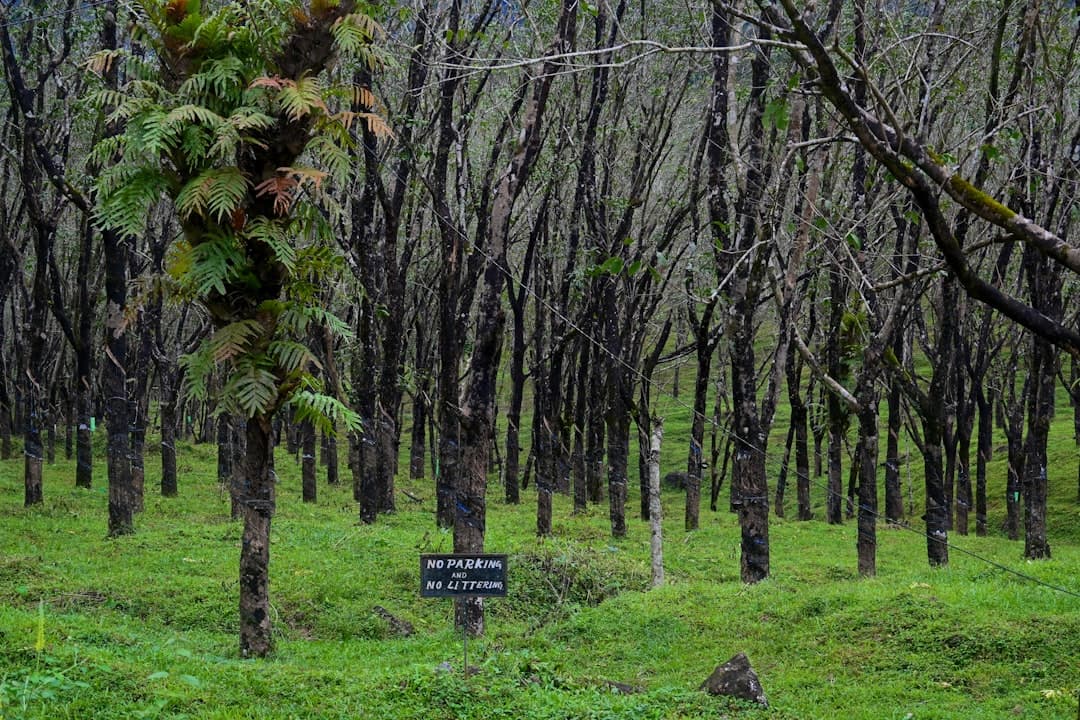
- The world's 7th-largest producer. But about 70% is robusta (it is also a major area for high-quality robusta)
- The main producing region is Karnataka (about 70% of India's coffee)
- Thorough shade-growing + spice interplanting
- The world's only monsooned processing (the Malabar Coast)
- Organic, fair-trade and Rainforest Alliance certification are widespread
A guide to the major regions
Coorg (Kodagu) — the largest Arabica region
- Altitude: 1,000–1,600m
- Flavor: spice, earthy chocolate, citrus, fruity; full body
- Notable: Karnataka. India's core region, where coffee and spice estates coexist
Chikmagalur — the hill where it all began
- Altitude: 1,000–1,800m
- Flavor: dark chocolate, nut, earthy, spice
- Notable: the historic region where Baba Budan planted the first seeds. A heavy, stable taste
Araku Valley — organic grown by tribes
- Altitude: 900–1,100m
- Flavor: floral, fruity, chocolate, spice
- Notable: Andhra Pradesh. Organic cultivation by indigenous tribal communities, with international-competition awards too. A new-generation region showing India's "bright" side
Varieties and grades
For Arabica, rust-resistant lines such as Kent, S795, Cauvery (a Catimor line) and Selection 9 are central. The grade labels are distinctive too.
- Mysore Nuggets Extra Bold: the finest washed Arabica. Large and clean
- Robusta Kaapi Royale: high-quality washed robusta. The top grade for espresso
- Monsooned Malabar AA: the representative grade of monsooned processing
- Plantation A: standard washed Arabica
Roast and brewing
The low-acid, heavy-body character pairs superbly with medium-dark to dark roasts. As an espresso base it produces overwhelming richness and crema, and that depth shows in a French press too. And speaking of India, you cannot forget "South Indian filter coffee (kaapi)."
South Indian filter coffee drips a strong "decoction (extract)" through a two-tier metal filter and cuts it with boiled milk and sugar. Using grounds blended with chicory is the tradition — rich and slightly bitter, with a distinctive unity with milk.
- Espresso: monsooned and robusta are the kings of richness and crema. A foundation for dark-roast blends
- French press: enjoy the heavy body as is
- Filter coffee (kaapi): South Indian style with medium-dark + chicory + milk
- Roast level: medium-dark is the classic
Tips for the next time you choose
- To enjoy the character, experience "Monsooned Malabar" at least once
- If you like a clean taste, start from washed Arabica (Plantation / Mysore)
- Espresso and milk-drink fans pair well with medium-dark India
- For those who "dislike acidity," low-acid, heavy-body India lands especially well
Frequently asked questions
Why does Monsooned Malabar have no acidity?
Because the harvested beans are exposed to the damp southwest-monsoon winds for about 3 to 4 months. As the beans absorb moisture, swell and turn pale gold, the bright acidity drains away and becomes a heavy flavor of earth, wood and spice. The process deliberately recreates the change that once happened on long sailing-ship voyages.
Is Indian coffee good for espresso?
Very much so. Low-acid and heavy-bodied, it gives rich body and crema at a dark roast. Monsooned and high-quality robusta (Kaapi Royale) are prized as the foundation of Italian dark-roast blends. It also pairs well for people who dislike acidity and love milk drinks.
What is South Indian filter coffee (kaapi)?
It is a traditional South Indian style that drips a strong extract (decoction) through a two-tier metal filter and cuts it with boiled milk and sugar. Using grounds blended with chicory is the standard, giving a rich, slightly bitter cup with a distinctive unity with milk. It is best enjoyed with a medium-dark Indian bean.
Now that bright, fruity coffee is the mainstream, the nearly acid-free "mellowed" India looks fresh, if anything. A cup raised by a spice forest and finished by the monsoon winds — India reminds us anew of the depth of coffee's diversity.
Was this article helpful?
Choose & compare
Related links
More articles
Panama Coffee Deep Dive — The Volcanic Highlands That Bore Geisha, and the Story of the World’s Highest Price
BeansThe Science of Processing — From a Single Fruit to a Green Bean, How Fermentation and Drying Decide the Taste
BeansThe Coffee Variety Family Tree — Reading the “Genealogy” That Begins with Typica and Bourbon
BeansThe Coffee Belt and Terroir — Why Coffee Grows Only in the “Equatorial Band,” and Why Each Origin Tastes Different