Honey Process and Anaerobic: How Modern Processing Changes Coffee’s Taste
White / yellow / red / black honey, anaerobic fermentation, carbonic maceration
Natural and washed aren’t the only processing methods. Honey process that leaves the fruit mucilage on, anaerobic (oxygen-free) fermentation, and carbonic maceration borrowed from winemaking — modern processing draws a surprising range of flavors from the same bean. From what the color labels mean to flavor tendencies and origins, we sort out the processing methods drawing attention now.
Contents · 9
Even with the same variety from the same farm, a different process makes the taste a different thing. Processing was once a choice between “washed” or “natural,” but now it is the frontier of flavor design. Honey that leaves the mucilage on, anaerobic that cuts off oxygen, carbonic maceration from wine — knowing modern processing changes how a label reads.
First, a recap: what processing is
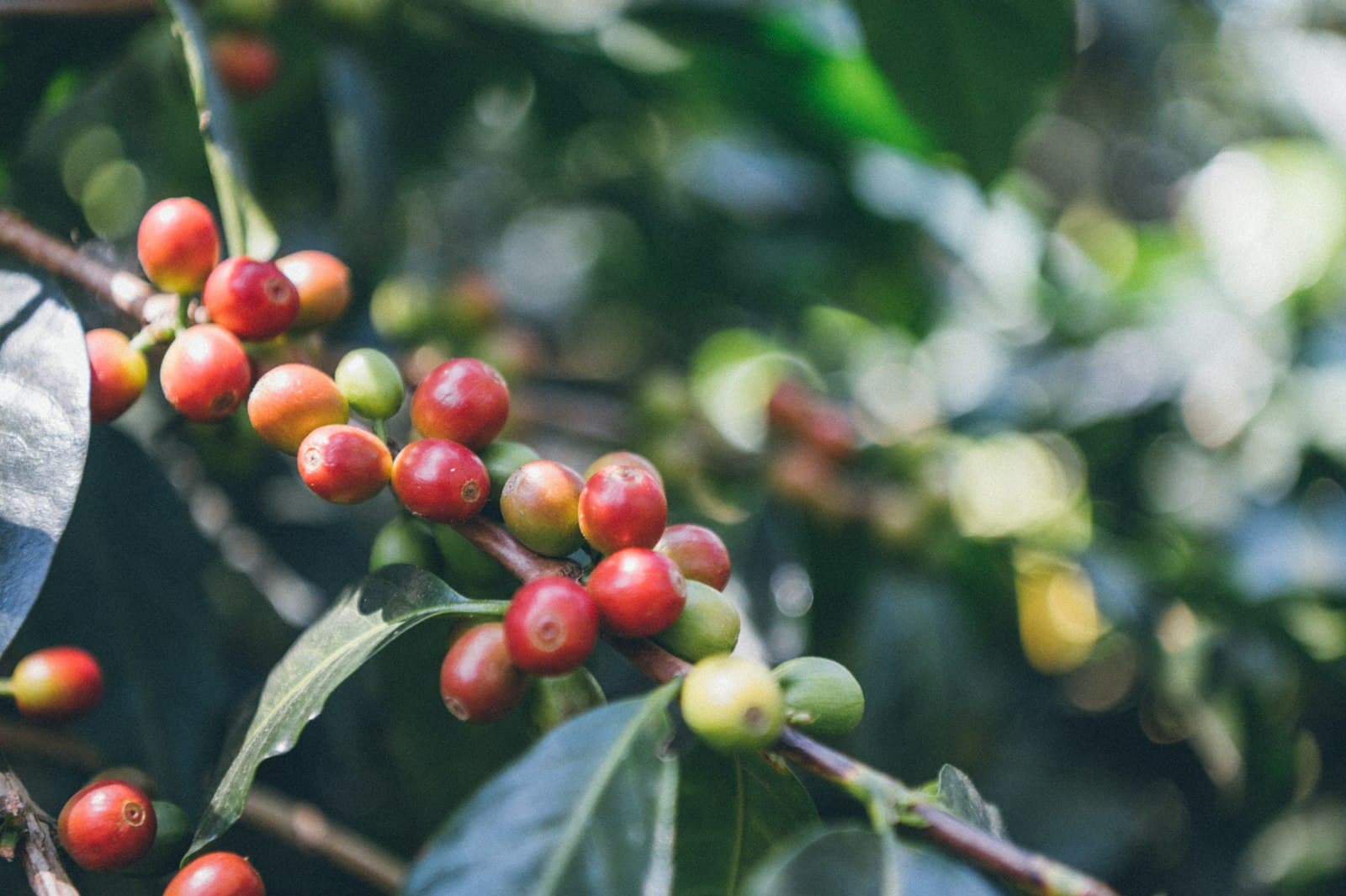
Coffee “processing” is the work of extracting the seed (green bean) from the harvested cherry (fruit) and drying it. Taste changes greatly with when and how much of the pulp and mucilage are removed. Pin down the two basics and the place of honey and anaerobic comes into view.
- Washed: pulp and mucilage removed before drying. Clean and clear, with acidity standing out
- Natural: the whole fruit dried. Fruitiness, sweetness and a fermented complexity emerge
- Honey / anaerobic: a modern group of methods aiming at the “space between,” and beyond, these two
The basics of washed and natural are explained in detail in our natural-vs-washed article. This article covers the “modern processing” that lies beyond it.
What honey process is
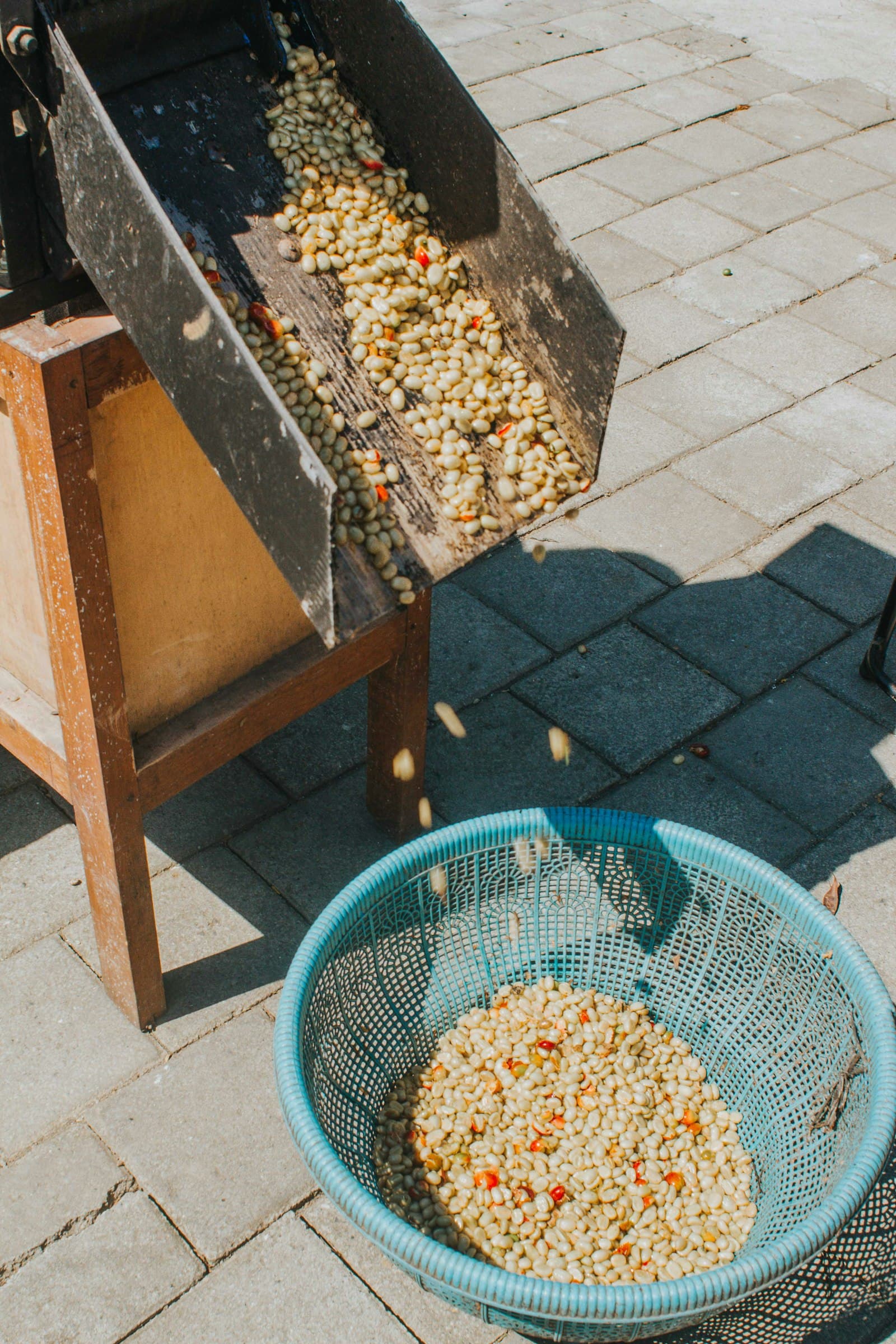
Honey process removes only the pulp and dries the bean with the slimy mucilage around the seed deliberately left on. “Honey” doesn’t mean honey is added — the name comes from how the mucilage gets sticky during drying. The taste changes with how much mucilage is left, and the variants are named by color. Costa Rica is known as its home.
The “color” differences of honey
- White / yellow honey: more mucilage washed off. Clean and light, leaning washed
- Red honey: a moderate amount left. Sweet and well-balanced — the classic honey style
- Black honey: the most mucilage left, dried slowly. Dense fruit and complexity, leaning natural
What anaerobic (oxygen-free) fermentation is
Anaerobic fermentation puts cherries or beans in a sealed tank and ferments them with oxygen cut off. The tank fills with carbon dioxide from the microbes, and an unusual fermentation proceeds. By managing temperature, time and pH, intense, distinctive flavors like strawberry, cinnamon and liqueur emerge. Its signature is a flamboyance often called “funky” that divides opinion.
Carbonic maceration
Borrowed from winemaking, carbonic maceration puts whole ripe cherries into a tank filled with carbon dioxide and ferments them from inside the fruit. A distinctive fermentation through the skin yields lots with clear, sweet fruit and a standout wine-like finish.
Other experimental processing
- Thermal shock: a finishing step that gives a sharp temperature gap with hot and cold water to tighten flavor
- Lactic (lactic-acid fermentation): leans on lactic bacteria to aim for a yogurt-like mellow acidity and texture
- Extended fermentation: a longer fermentation to amplify complexity and sweetness
- Double anaerobic: anaerobic fermentation in two stages to emphasize character further
Distinctive processing lives or dies by control. Lots where fermentation wasn’t controlled can show off-flavors or negative fermented smells (over-ripe, alcoholic). And because the flavor is strong, opinion divides. Enjoying it at a light to light-medium roast to showcase the character, while fresh, is recommended.
How the taste changes
- Honey: syrup-like sweetness, mellow acidity, good balance. Easy to recommend to anyone
- Anaerobic: strawberry, cinnamon, tropical, an intense and flamboyant fermented note like liqueur
- Carbonic: clear, sweet fruit and a complex, wine-like finish
- In common: “fruit and fermentation” nuances tend to show more strongly than natural or washed
In terms of origins
The home of honey process is Costa Rica, where micro-mills compete to make the color variants. Anaerobic and carbonic are released one after another by progressive producers in Panama, Colombia, Ethiopia and elsewhere. Now “how it was processed,” not just “which country,” is a major axis in choosing specialty coffee.
Frequently asked questions
What is the difference between honey and natural?
Natural dries the whole fruit with the pulp on. Honey removes only the pulp and dries with the mucilage left on. Honey has a gentler fermented note and makes it easier to balance cleanness and sweetness. The amount of mucilage left (the color) can tune it toward natural or toward washed.
Why is anaerobic often expensive?
It takes equipment and labor — sealed tanks, temperature and pH control — and carries a high risk of fermentation failure. Much of it is small-batch microlots, and the scarcity is reflected in the price. In exchange you get a one-of-a-kind flavor, which is the added value.
Are carbonic maceration and anaerobic the same?
They are closely related but strictly different. Anaerobic (oxygen-free fermentation) is the umbrella term for "fermenting in a tank with oxygen shut out." Carbonic maceration is one type of it — a wine-derived technique that fills the tank with carbon dioxide to ferment. Both emphasize fruitiness and complex fermented aromatics, but carbonic tends to give a cleaner, sweeter fruit. You can tell them apart by the label.
How should I brew beans with distinctive processing?
Light to light-medium roast, to make the most of the delicate fermentation-derived aromas, is recommended. Because the character is strong, start black, with a clean paper drip. A slightly lower water temperature (88–92°C) keeps the flamboyance while restraining harshness. Since the flavor shows strongly, freshness is vital, so drink it as soon after roast as you can — and tasting it against a washed coffee from the same origin makes the difference vivid.
Processing is now the “third variable” deciding coffee’s taste (after origin and variety). Even the same Ethiopia shows a wholly different face as washed, natural or anaerobic. Next time you buy beans, pay attention to the processing line on the label too. A new door of preference may open.
Was this article helpful?
Origins in this article
Choose & compare
Related links
More articles
The Coffee Variety Family Tree — Reading the “Genealogy” That Begins with Typica and Bourbon
BeansThe Coffee Belt and Terroir — Why Coffee Grows Only in the “Equatorial Band,” and Why Each Origin Tastes Different
BeansThe Science of Coffee Acidity — What Fruitiness Really Is, and How It Differs from “Sour”
BeansKenya Coffee Deep-Dive: The Source of That Powerful Acidity and “Tomato” Complexity