Uganda Coffee Deep Dive: The Home of Robusta and the Arabica of Mt. Elgon
Africa’s second-largest producer, robusta growing wild in the forest, and the frontier of fine robusta
Coffee means Arabica — Uganda stands outside that assumption. Wild robusta grows in the forests by Lake Victoria, and robusta still makes up about 80% of the output of Africa’s second-largest producer: the “home of robusta.” Meanwhile, on the heights of Mt. Elgon and the Rwenzori, a bright Arabica that rivals Kenya also grows. We dissect an origin with two faces.
Contents · 8
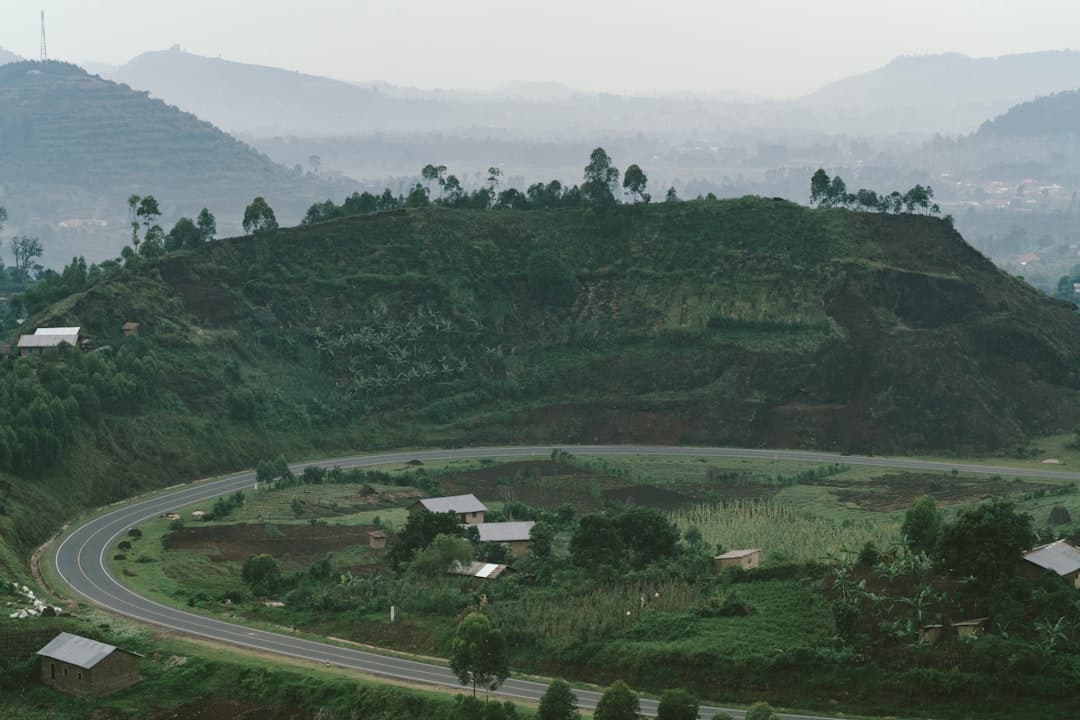
There is a country that overturns the image of “robusta = cheap, mass-market.” Uganda is one of robusta’s places of origin, with wild robusta growing in the forests by Lake Victoria. In Africa it is the second-largest producer after Ethiopia, and robusta makes up about 80% of that. At the same time, the heights of Mt. Elgon and the Rwenzori grow a bright Arabica that rivals Kenya — a rare origin with two faces: Arabica and robusta.
Why Uganda is special
- Home of robusta: one of the places of origin, with wild robusta in the Lake Victoria forests
- Africa’s 2nd / world’s 8th: about 80% of output is robusta
- A pillar of the national economy: coffee has long been a top export, involving millions of households
- Arabica and robusta both: highland Arabica and lowland robusta are grown together
- The rise of fine robusta: carefully processed high-grade robusta is gaining recognition
Wild specimens of robusta (Coffea canephora) grow naturally in the tropical forests around Lake Victoria. Uganda is one of the centers of robusta’s genetic diversity — truly the “home of robusta.” If Arabica is of Ethiopian origin, then one home of robusta is Uganda; remembering it this way makes the world map three-dimensional.
Robusta and Arabica — two faces
Ugandan coffee splits sharply in character by the altitude where it grows: lowland robusta and highland Arabica. They taste so different it is hard to believe they come from the same country.
- Robusta (lowland, ~80%): firm bitterness and body, chocolate and nut notes. Gentle acidity and easy crema
- Arabica (highland, ~20%): Bugisu has bright acidity and wine-like fruit, with a complexity resembling neighboring Kenya
- Roles: robusta for espresso and instant; Arabica as single origins
Flavor profile
The Arabica flagship is “Bugisu,” from the foot of Mt. Elgon. With bright, juicy acidity, berry and citrus fruit, and a wine-like complexity, it holds its own next to Kenya and Ethiopia. Robusta, by contrast, centers on a heavy body, a dark-chocolate depth, and plain notes of peanut and spice.
Major regions
Mt. Elgon (Bugisu / Bugishu) — the home of highland Arabica
On the slopes of Mt. Elgon, which rises on the eastern border with Kenya. Grown at 1,500–2,200m, “Bugisu” Arabica is known as Uganda’s finest, with a profile of bright acidity and fruit that resembles Kenya.
The Rwenzori — Arabica of the “Mountains of the Moon”
A mountain range in the west on the border with Congo, known as the “Mountains of the Moon.” High and often misty, it grows a floral, delicate Arabica.
The central and southern lowlands — the robusta belt
The central and southern lowlands ringing Lake Victoria are the main home of Ugandan robusta. Robusta of fine pedigree, as befits its place of origin, is produced in volume and becomes the raw material for espresso blends and instant coffee worldwide.

History and culture as the home of robusta
Robusta is a long-rooted crop in Uganda, deeply tied to daily life and culture. In the Buganda kingdom, coffee beans were said to be used in rituals of friendship and pacts. It expanded as a cash crop in the colonial era, and after independence coffee became the backbone of the national economy. It remains one of Uganda’s most important export crops today.
The old line that “robusta = low quality” is becoming a thing of the past. We dig into the difference in the Arabica vs robusta article, and into the world of carefully made robusta in the India monsooned coffee article.
The frontier of fine robusta
Lately, Ugandan fine robusta is drawing attention. Robusta made by sorting ripe cherries and carefully processing them washed or natural is free of off-flavors and carries a sweet depth and chocolate notes. The SCA (Specialty Coffee Association) has built fine-robusta evaluation standards, and Uganda is anticipated as a major source. As a bean that lends espresso thickness and crema, it is being re-evaluated.
Recommended brewing
Highland Arabica (Bugisu) pairs well with paper drip that showcases bright acidity and fruit. Robusta shows its strengths brewed strong with milk, or used as an espresso base.
Bugisu Arabica on a V60 (1:16)
Beans 15g / Water 240g
- Bugisu Arabica: light to medium roast + V60 to bring out Kenya-like bright acidity and fruit
- Robusta: medium-dark to dark roast — for espresso, milk drinks, or a strong drip
- Blends: adding a little robusta increases body and crema
Frequently asked questions
Is Ugandan robusta really good?
The answer is that well-made ones are plenty good. Fine robusta — robusta of fine pedigree from its place of origin, finished with ripe-cherry sorting and washed processing — is clean and sweetly rich. Think of it as a different thing from cheap, mass-market robusta.
What does “Bugisu” taste like?
It is an Arabica from the foot of Mt. Elgon, with bright, juicy acidity, berry and citrus fruit, and a wine-like complexity. Its profile is close to neighboring Kenya, and it is rated Uganda’s finest.
Is Ugandan coffee mostly Arabica or robusta?
By volume, robusta is the mainstay. Uganda is considered one of robusta's places of origin, and robusta makes up most of its exports. Meanwhile, on the heights of Mt. Elgon and the Rwenzori Mountains, high-quality Arabica (Bugisu, Drugar and others) also grows and has been rising in reputation. It helps to see it as a country with a two-sided banner: "robusta for volume, Arabica growing on quality."
What is fine robusta?
It is high-quality robusta made by sorting ripe cherries and carefully processing them washed or natural. The SCA (Specialty Coffee Association) has set a dedicated evaluation standard for it, and it is clean with a sweet richness and chocolate quality. It is a different thing from cheap mass-market robusta, and it is being re-appraised as a presence that gives espresso body and crema. Uganda is one of its promising origins.
Uganda is the home of robusta, yet on its heights a world-class Arabica also grows. Judge it only by the “robusta country” side and you miss its depth. Next time you read an espresso-blend label, Ugandan robusta may be the hidden hero.
Was this article helpful?
Choose & compare
Related links
More articles
The Coffee Variety Family Tree — Reading the “Genealogy” That Begins with Typica and Bourbon
BeansThe Coffee Belt and Terroir — Why Coffee Grows Only in the “Equatorial Band,” and Why Each Origin Tastes Different
BeansThe Science of Coffee Acidity — What Fruitiness Really Is, and How It Differs from “Sour”
BeansArabica vs. Robusta: How They Differ in Taste, Caffeine, Price and Appearance