Honduras Coffee Deep Dive: Why Central America’s Largest Exporter Was So “Underrated”
The world’s 6th-largest output, six regions, the drying-infrastructure revolution, and the Santa Bárbara miracle
The world’s sixth-largest output and Central America’s largest coffee exporter — yet Honduras was long a “coffee with no name.” Why couldn’t it earn a reputation to match its ability, and how did it raise its profile in the specialty world? We follow the wall of drying infrastructure, IHCAFE’s six regions, and the Santa Bárbara miracle.
Contents · 8
Which is Central America’s largest coffee exporter? The answer is neither Guatemala nor Costa Rica, but Honduras. Its output is the world’s sixth-largest. Despite being such a giant, Honduras was long a “coffee that melts into blends without giving its name.” Why couldn’t it earn a reputation to match its ability? And how did it recently climb to a leading role in specialty? We follow that turnaround.
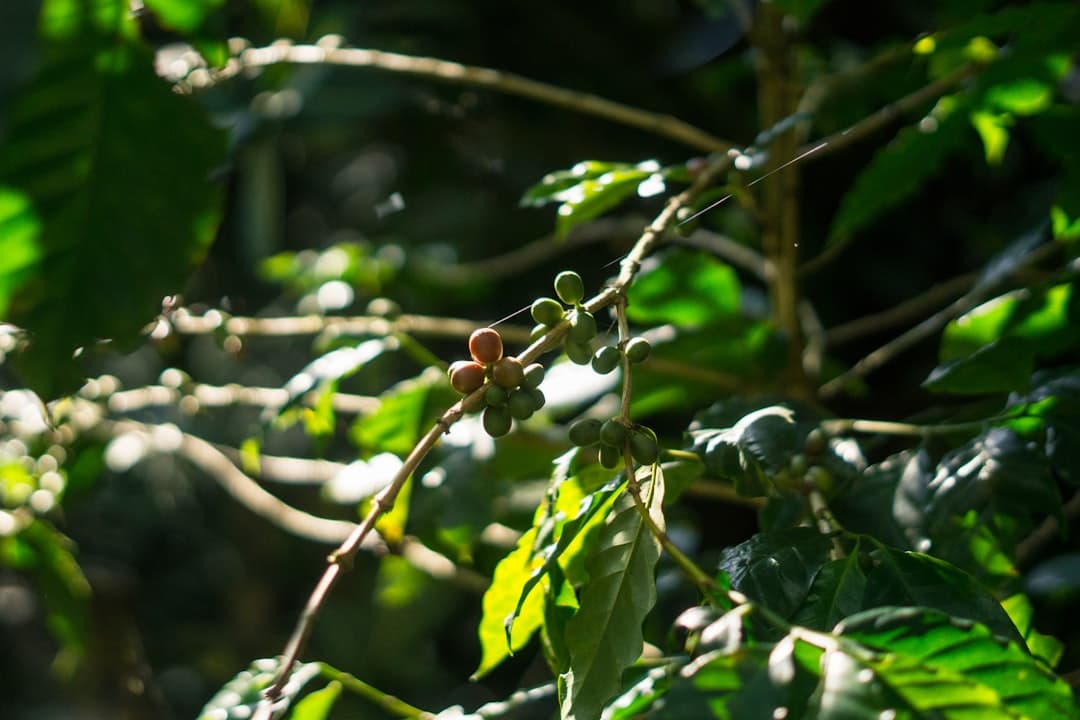
Why Honduras is special
- Central America’s largest exporter: the world’s 6th-largest output, ahead of Guatemala and Costa Rica
- Best-value specialty: high quality for the price, popular with roasters
- IHCAFE’s quality strategy: the Honduran Coffee Institute drives quality and regional branding
- Six official regions (GIs): regions of differing character organized by geographical indication
- Varietal diversity: Bourbon, Catuai, Pacas, Parainema and a wide range more
Central America once meant Guatemala or Costa Rica as the flagship, but in volume Honduras is already the regional top. It grew rapidly from the 2010s and now boasts a scale in Latin America second only to Brazil and Colombia. The gap between “fame” and “ability” is the very key to understanding Honduras.
The truth behind being “underrated” — the wall of drying infrastructure
Why did such a giant lag in reputation? The biggest reason lay, ironically, in the difficulty of “drying.” Many areas of Honduras have high humidity at harvest, and could not dry the processed beans thoroughly. Beans stored without enough drying re-absorb moisture, degrade easily, and lose flavor fast. As a result, a vicious cycle persisted — circulating as cheap blend material with the region name hidden.
The turning point was investment in mechanical dryers and temperature- and humidity-controlled warehouses, plus thorough quality control by IHCAFE and producer cooperatives. With drying and storage stabilized, Honduras could finally deliver its “true, clean taste” to the world.
The old image of “flavor fading fast” is a remnant of an era of immature drying and storage. Today’s specialty Honduras is a different thing. Even so, freshness matters, so choose recently roasted beans and finish them sooner rather than later. For how to think about bean freshness, see the freshness-after-roasting article.
Flavor profile
The Honduran archetype is a sweet, balanced, clean cup. The sweetness of chocolate and caramel is layered with the brightness of stone fruit and citrus. The low to mid altitudes are mild and approachable, while highland lots like Santa Bárbara and Marcala include standouts that show the complexity of tropical fruit and florals.
- Chocolate / caramel: a sweet, approachable base
- Stone fruit: the sweet fruit of peach and apricot
- Bright citrus acidity: a clean finish that is not too heavy
- Highland complexity: standout lots that add tropical fruit and florals
Major regions — the six GIs
IHCAFE organizes regions of differing character into six geographical indications (GIs). Each differs in altitude and microclimate, and so does its flavor tendency.
- Copán: the west, land of Mayan ruins. A classic flavor of chocolate and sweetness
- Montecillos: highland-grown and fruity. A celebrated area including Santa Bárbara and Marcala
- Opalaca: floral with bright acidity
- Comayagua: the balanced type, richly sweet
- Agalta: a clean flavor of citrus and nuts
- El Paraíso: among the country’s largest in volume. A steady mildness
The Santa Bárbara miracle
Indispensable when talking about Honduran specialty is Santa Bárbara, in the Montecillos area. On steep mountains above 1,500m, heirloom-family varieties like Bourbon, Pacas and Caturra are carefully grown in microlots (tiny plots). It has swept the upper ranks of the Cup of Excellence, and its one-of-a-kind tropical, floral cup is even called “the Honduran miracle.” It is a world-recognized high-quality region that overturns the cheap image.
Varietal diversity
- Bourbon / Caturra / Catuai: Central American staples with a strong flavor reputation
- Typica / Pacas: long-standing heirloom and selected varieties. Pacas is of Salvadoran origin and in the Bourbon family
- Parainema / Lempira / IHCAFE-90: varieties chosen for rust resistance, contributing to stable production
Recommended brewing
Being balanced, it does not pick a brewing method, but highland fruity lots shine when brewed cleanly with paper drip. A medium roast is the royal road; for fruit, light-medium is also recommended.
Basic V60 ratio (1:16)
Beans 15g / Water 240g
- Roast: medium for sweetness and balance; light-medium for highland lots to draw out fruit
- Brewing: versatile with paper drip; for the likes of Santa Bárbara, clean V60
- Value: higher quality in its price band — ideal for a step up from your everyday
Frequently asked questions
Why is Honduras relatively cheap?
Because output is large and supply is stable, and because of the historical legacy of long being treated as “blend material,” it tends to be more affordable than Central American origins of the same quality band. Flip that around and it is an origin with a big sense of value for quality. It also suits getting started with specialty.
Which region and roast should I choose?
For fruit and complexity, go for highland lots (Montecillos) like Santa Bárbara or Marcala at a light-medium to medium roast. For classic sweetness, Copán or El Paraíso at a medium roast. Starting with a lot that names the region makes it hard to go wrong.
Central America’s largest exporter, yet long a supporting player — Honduras. Now that it has cleared the wall of drying infrastructure and celebrated areas like Santa Bárbara have emerged, its ability is plain for all to see. If you are looking for “cheap and delicious Central America,” Honduras is the leading candidate. Check its ability with your next cup.
Was this article helpful?
Origins in this article
Choose & compare
Related links
More articles
The Coffee Variety Family Tree — Reading the “Genealogy” That Begins with Typica and Bourbon
BeansThe Coffee Belt and Terroir — Why Coffee Grows Only in the “Equatorial Band,” and Why Each Origin Tastes Different
BeansThe Science of Coffee Acidity — What Fruitiness Really Is, and How It Differs from “Sour”
BeansPhilippine Coffee Deep-Dive: A Country of Four Species and the Story of the Rare Liberica, "Barako"