How to Choose a Specialty Coffee Roaster
How to find a coffee shop that actually delivers
Learning path · Beginner/Chapter 7
One of the 7 chapters in this level. Tap the button on the right when you finish reading to log your progress.
The words "specialty" and "house-roasted" are everywhere, in town and online. Here is a simple set of signals for telling a roaster you can genuinely trust.
Contents · 7
You want to move one step beyond the supermarket "Kilimanjaro" and "Mocha" labels and buy your beans from a serious specialty roaster. But in Japan alone there are several thousand house-roasting shops, so feeling lost about which to pick is completely normal. Judge them by the following five criteria and, even on your first try, you will rarely go wrong.
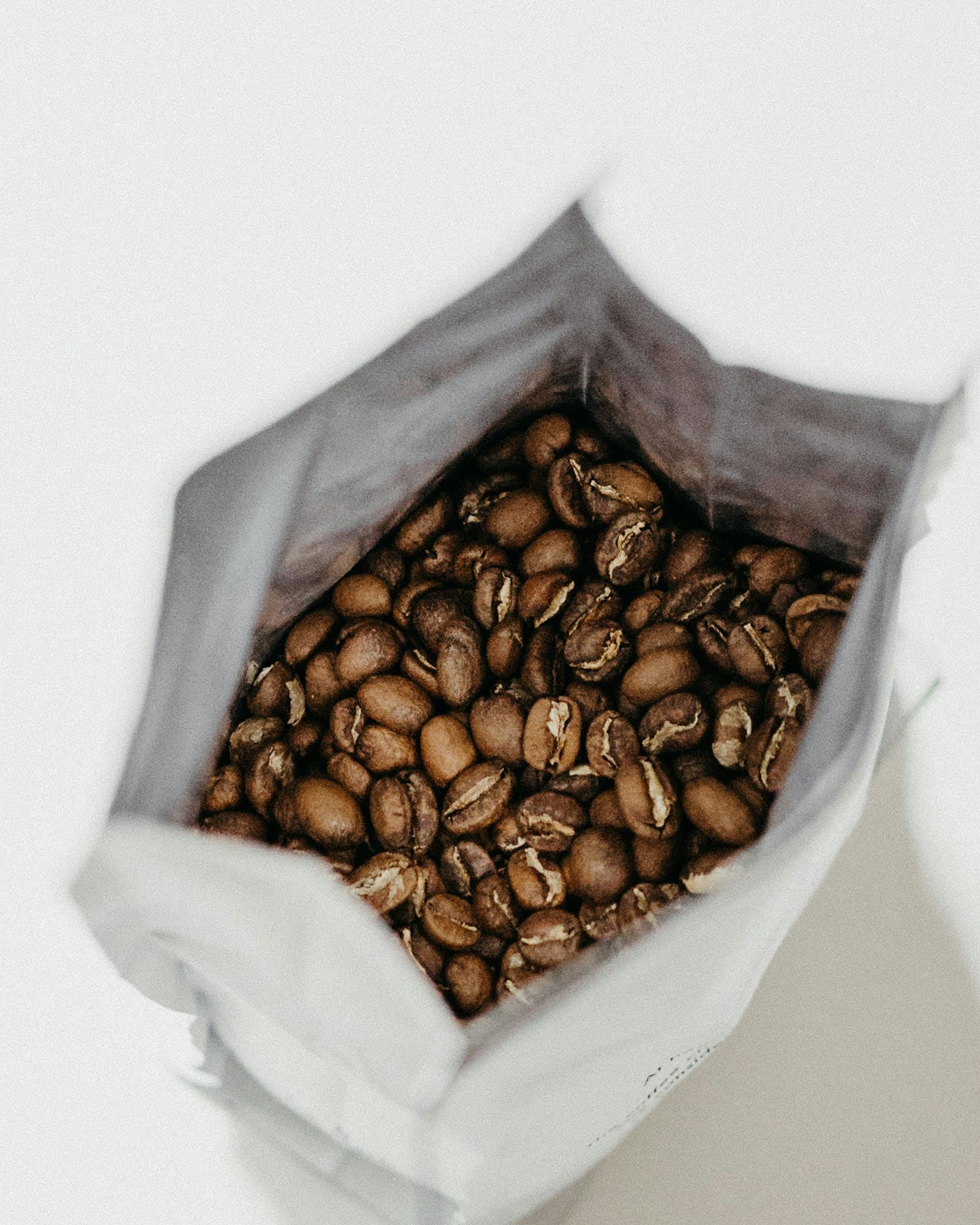
1. Is the roast date given to the day?
Whether the back of the bag shows the roast date to the day (e.g. 2026.05.28) is the bare minimum sign of quality awareness. Be wary if there is only a "best by" date, or if the date is given by the month or omitted entirely. Coffee starts to decline from the roast date, so there is basically no reason to hide it.
2. Transparency about origin and farm
Does it say more than just "Colombia" — for example "Colombia, Nariño, Buesaco, ◯◯ co-op"? If it goes further, to the processing method (washed / natural), altitude and variety (Caturra, Geisha, etc.), you are looking at a direct-trade roaster who can trace the bean back to the producer. The finer the detail, the bigger the cost and effort that went into that coffee.
3. Are the tasting notes specific?
Instead of generic phrases like "mild acidity and rich body," does it name concrete notes such as "jasmine, bergamot, peach"? That is evidence the roaster actually cupped the coffee (a formal sensory evaluation). Conversely, if every bean gets a similar description, it may just be a template.
4. Is there a choice of roast levels?
A roaster who varies the roast level by origin understands each origin's character. Ethiopia gets a lighter roast; a Mandheling, where you want deep body, gets a medium-dark — each bean roasted to suit it. A shop that roasts everything to a single medium-dark is a "blend-style" roaster, not one that draws out the individuality of single origins (a matter of taste, not better or worse).
5. Engagement with the wider scene and competitions
A roaster who shares cupping sessions, origin-trip reports, and competition results (Cup of Excellence and the like) or SCA scores is likely connected to the industry and has access to the latest quality information. Look at the substance of what they post and the depth of their commitment to the beans comes through.
If you cannot settle on a first shop, pick one that handles winning lots from Cup of Excellence or Best of Panama, or one that can give you a concrete reason for "today's recommendation." You are far less likely to draw a dud.
How is this different from supermarket beans?
Supermarket beans (commodity coffee) exist to move cheaply in large volumes at a consistent quality, regardless of origin. Specialty, by contrast, refers to the top ~10% of beans that score 80 or more out of 100 on the SCA scale, with quality and price set lot by lot and producer by producer. Per 100g, commodity runs about ¥150–300 and specialty about ¥500–1,500. The gap shows up as transparency about "who grew it, where, and how" — and as complexity in the cup.
FAQ
Does a lighter roast mean higher quality?
No. A light roast simply makes the origin character easier to read; it is not better or worse. A good roaster picks the roast level to suit the bean. The roast levels guide lays out the differences.
Do pricier beans taste better?
Whether they suit your taste comes first. A well-roasted ¥500 Brazil tasting "better to me" than a ¥1,000-plus Geisha is perfectly common. Price also reflects scarcity, so it is not an absolute measure of flavor. The fastest route is to put your own taste into words first.
Online or a physical shop?
If the roast date is fresh, mail order is no problem. Popular roasters often have a rich line-up of online-only lots. For your first time, the fastest route is to try several small bags (100g) and find a roaster you like.
If it says "house-roasted," is the quality safe?
"House-roasted" only means "roasted on the premises" — it is not a word that guarantees quality. There are big differences between shops in both roasting skill and green-bean quality. What matters is not the words on the sign but judging the actual substance by this article's five criteria: is the roast date to the day, is the origin information concrete, are the tasting notes specific, is there a choice of roast levels, and is there substance to what they share.
Blend or single origin — which should I choose?
It depends on your aim. A single origin lets you clearly enjoy each origin's character, but once a lot runs out the taste won't return identically. A blend combines several beans, aiming for a stable taste and value year-round. If you want to explore "what that bean is like," go single; if you want a daily staple, go blend — split them by purpose and you won't go wrong. It is a difference of purpose, not of better or worse.
Should I drink fresh-roasted beans right away?
No — right after roasting is not recommended. Just-roasted beans hold a lot of CO2 and the taste has not settled yet. Generally the drinking window is a few days to two weeks from roast; light roasts often open up around a week, dark roasts in a few days. "Fresh roast date = drink right now" is wrong; the right move is to buy fresh beans and let them rest a little.
How much should I buy, and how do I store it?
Whole beans (not ground), in an amount you can finish in 2–4 weeks, is the recommendation. Because coffee degrades with oxygen, light, heat and moisture, the rule is "fresh, little and often" rather than stockpiling. Store it in an airtight container in a cool, dark place out of direct sun and heat-and-humidity. The coffee bean storage guide covers the details.
Is choosing a roaster via subscription a good idea?
It is one of the recommended options. Many specialty roasters offer subscriptions that deliver freshly roasted beans from a different origin each month. You can try diverse origins without the trouble of choosing, so it suits people still searching for their preference especially well. The three things to check: whether they arrive fresh-roasted, whether bean information (origin, processing, roast level) is included, and whether you can match the amount and frequency to your own pace of consumption. It also helps to confirm the flexibility to pause easily if it does not suit you.
You do not need to tick every box on the checklist. Even buying on just two points — the roast date and the tasting notes — will get you a cup from a different world than supermarket beans.
Learning path · Beginner Chapter 7 — Up next
On to the next level: IntermediateWas this article helpful?
Choose & compare
Related links
More articles
The Science of Coffee Aroma — The Story of the “800 Molecules” Rising From a Single Cup
BeansPanama Coffee Deep Dive — The Volcanic Highlands That Bore Geisha, and the Story of the World’s Highest Price
BeansThe Science of Bitterness — What Separates Unpleasant “Bitter” From Pleasant “Bitterness”
BeansCoffee and Climate Change — The “2050 Problem” and the Science of Our Cup’s Future