Loading…
§ Origins
OriginsOrigins.
Browse the world’s coffee origins across continent, flavor, variety and altitude. Trace the outline of your next cup here.
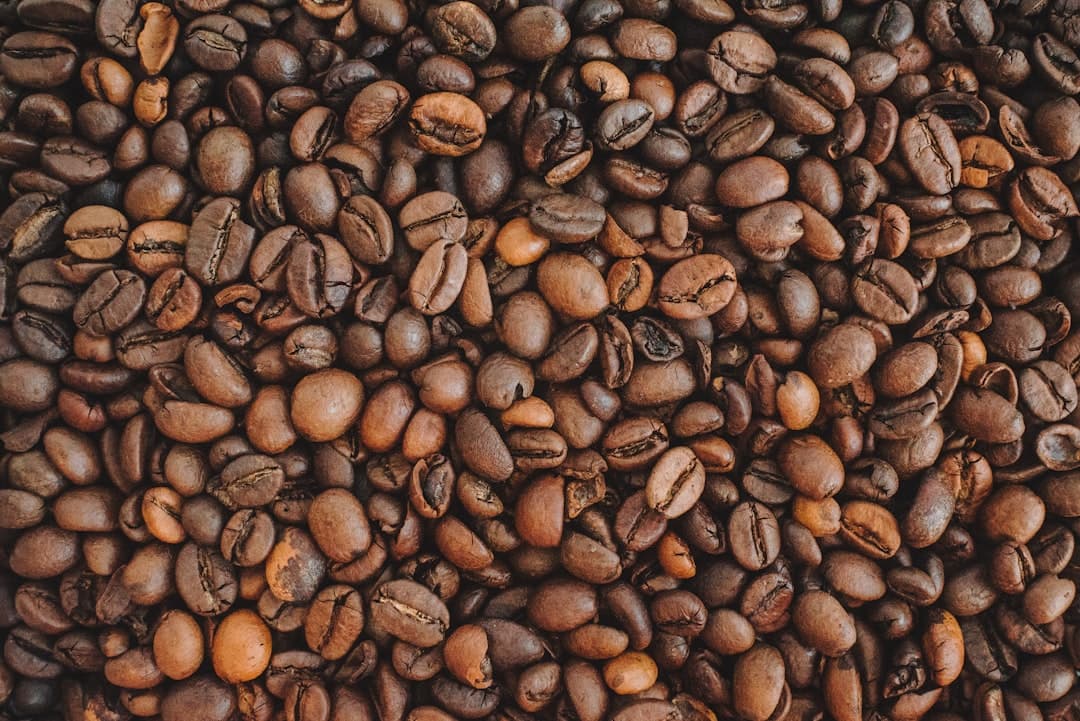 01Brazil
South America · No.1
Brazilブラジル
The world's largest coffee producer. Many mechanized large-scale farms give it a strength in stable supply, and it is used worldwide as an espresso base.
ChocolateNuttyCaramelDried fruitMilk chocolate
Altitude600–1,400mAnnual60.0M bags
 02Vietnam
Asia · No.2
Vietnamベトナム
The world's #2 producer and the largest robusta origin. Used in huge volumes for instant and canned coffee.
ChocolateNuttySpiceDark chocolateRubber
Altitude400–1,600mAnnual30.0M bags
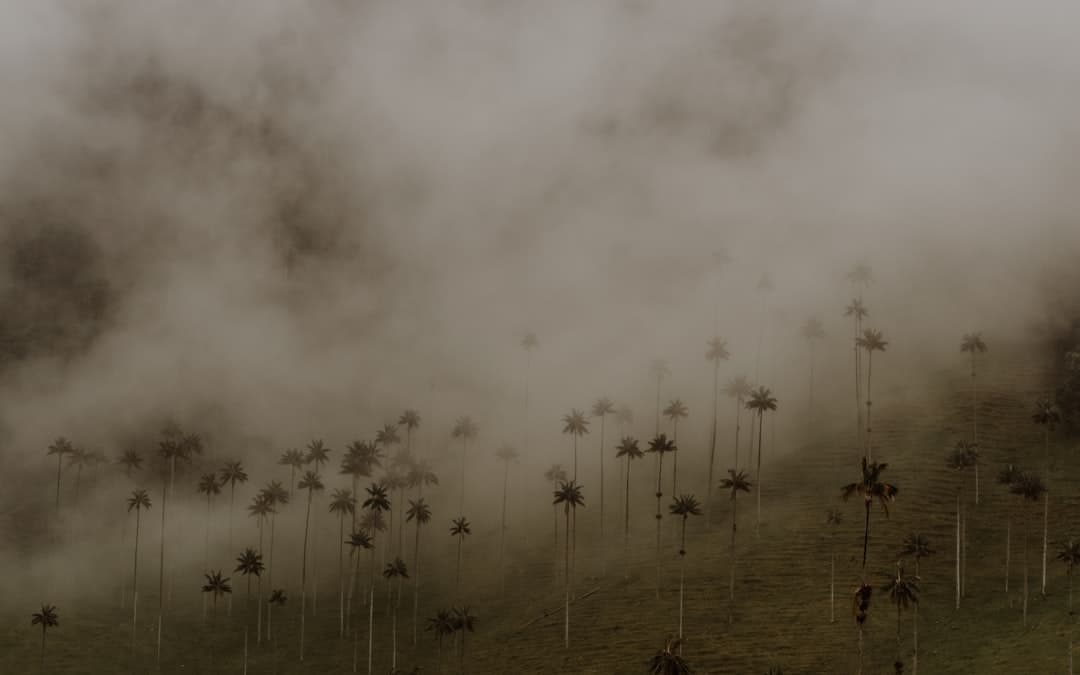 03Colombia
South America · No.3
Colombiaコロンビア
Harvested year-round with reliably consistent quality. The FNC (National Federation of Coffee Growers) oversees quality control.
Red applePlumCaramelBrown sugarOrange
Altitude1,200–2,300mAnnual13.0M bags
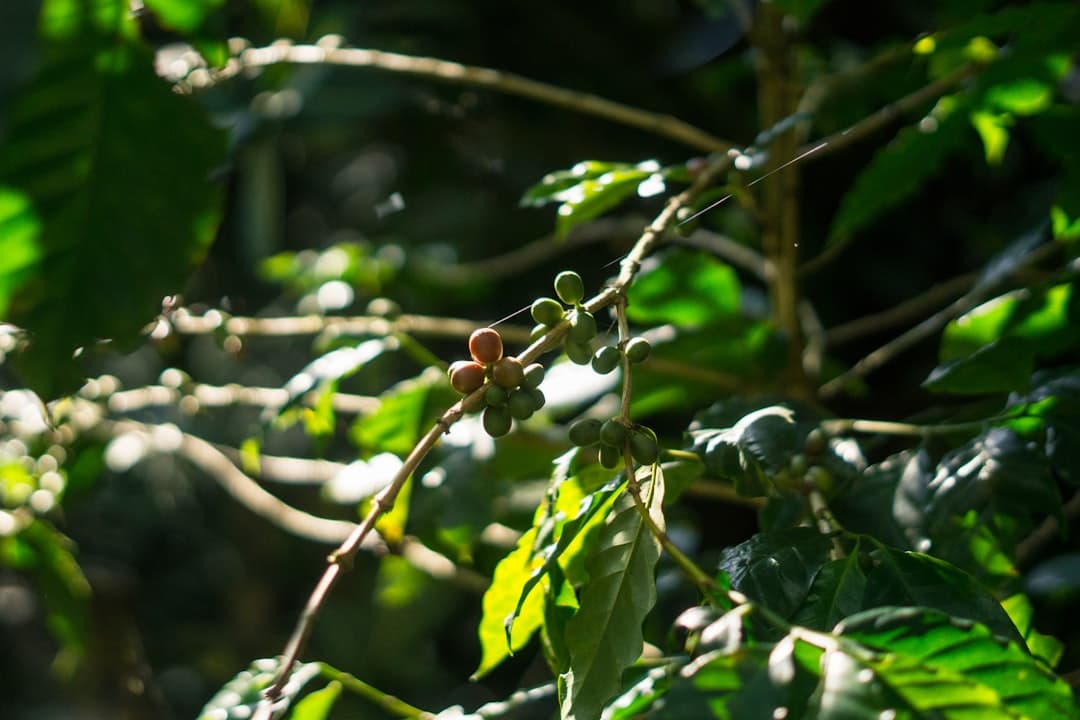 06Honduras
Central America · No.6
Hondurasホンジュラス
Grew rapidly after 2011 to become Central America's largest exporter. IHCAFE drives quality improvement. Infrastructure remains a challenge, but its standing in the specialty market is rising.
ChocolateCaramelOrangeDried fruitDark chocolate
Altitude1,000–1,800mAnnual8.5M bags
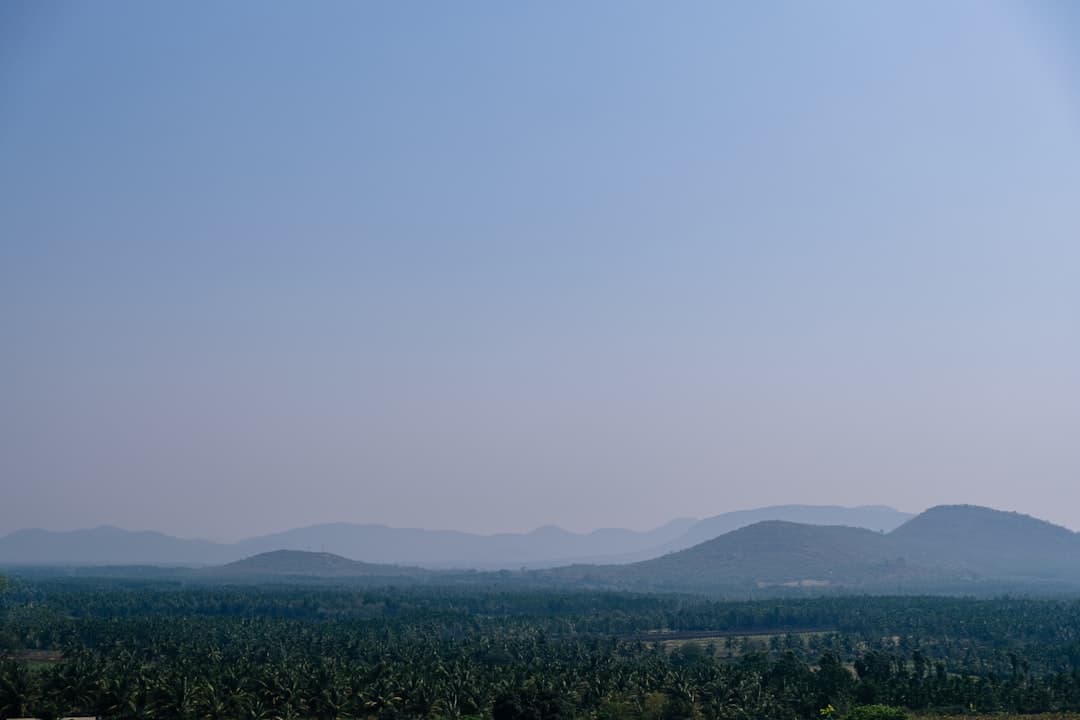 07India
Asia · No.7
Indiaインド
The Western Ghats of southern India are the main region. Known for the unique 'monsooned' process. Much is shade-grown under spice-plantation canopies.
SpiceEarthy chocolateCitrusFruityFloral
Altitude900–1,800mAnnual6.5M bags
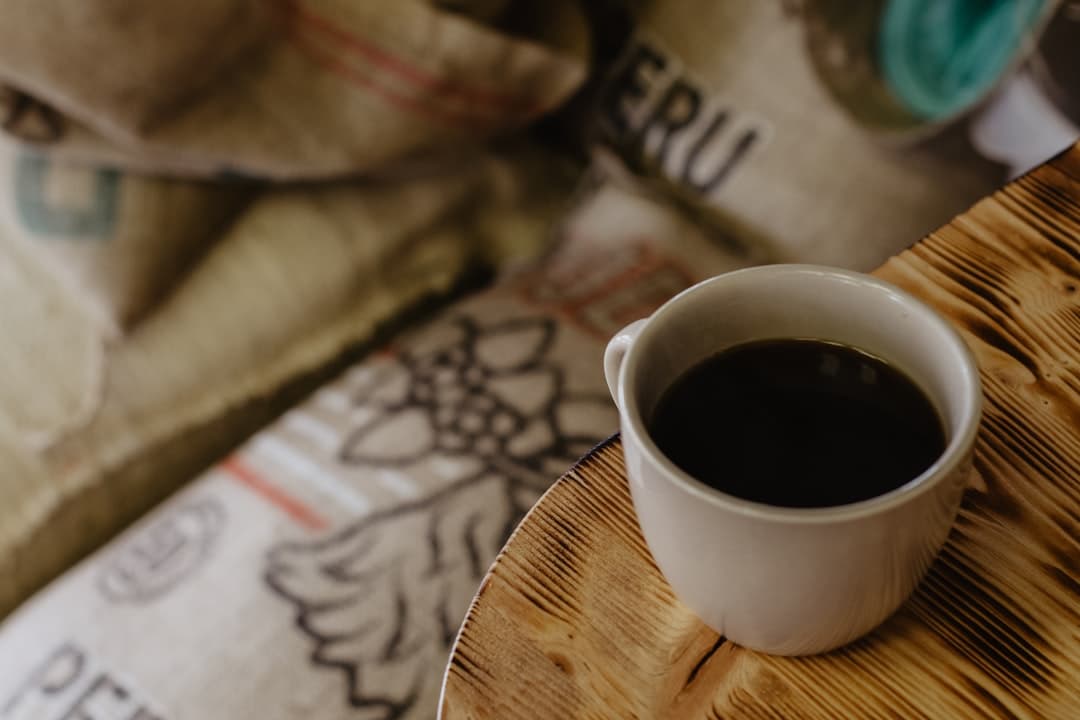 09Peru
South America · No.9
Peruペルー
One of South America's leading organic coffee origins, grown in the high Andes. A smallholder-led system with strong fair-trade affinity.
ChocolateMild fruitFloralCaramelTropical fruit
Altitude1,000–2,100mAnnual4.2M bags
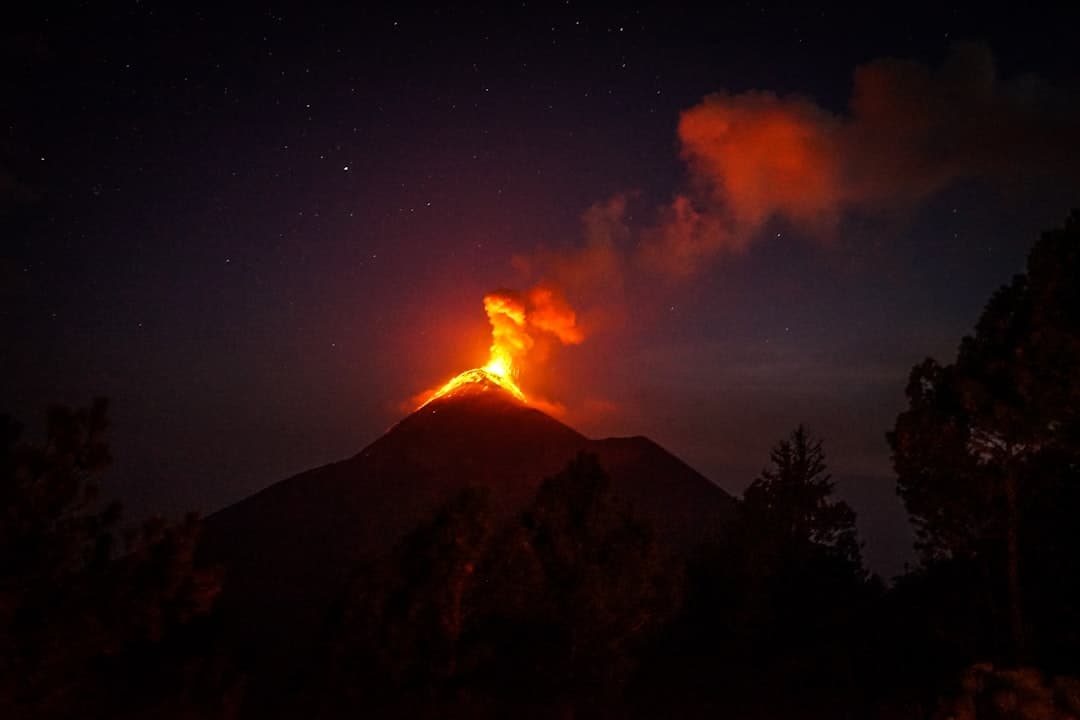 10Guatemala
Central America · No.10
Guatemalaグアテマラ
Volcanic soils and diverse microclimates produce complex flavors. ANACAFÉ handles quality control.
ChocolateSpiceSmokeCaramelFruity
Altitude1,300–2,000mAnnual4.0M bags
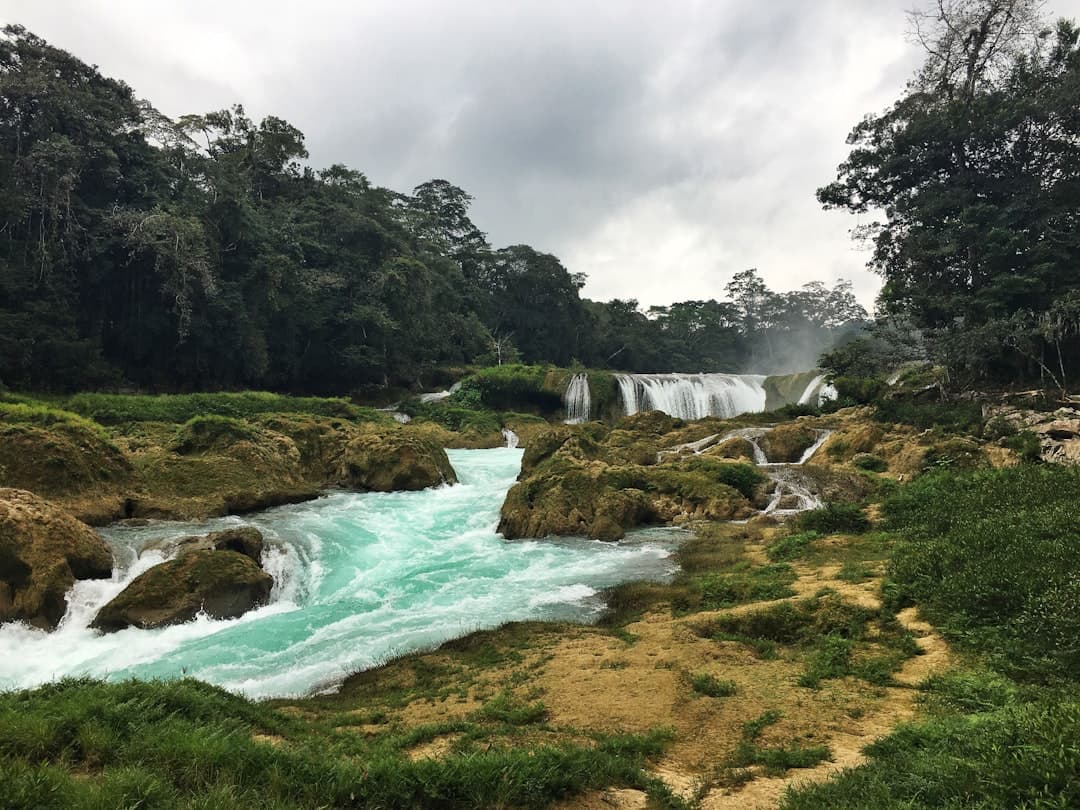 11Mexico
Central America · No.11
Mexicoメキシコ
North America's largest coffee producer. A high share of organic cultivation and many fair-trade-certified regions. Smallholders dominate, with production led by Indigenous communities.
ChocolateCitrusNuttyMild fruitDark chocolate
Altitude800–1,700mAnnual4.0M bags
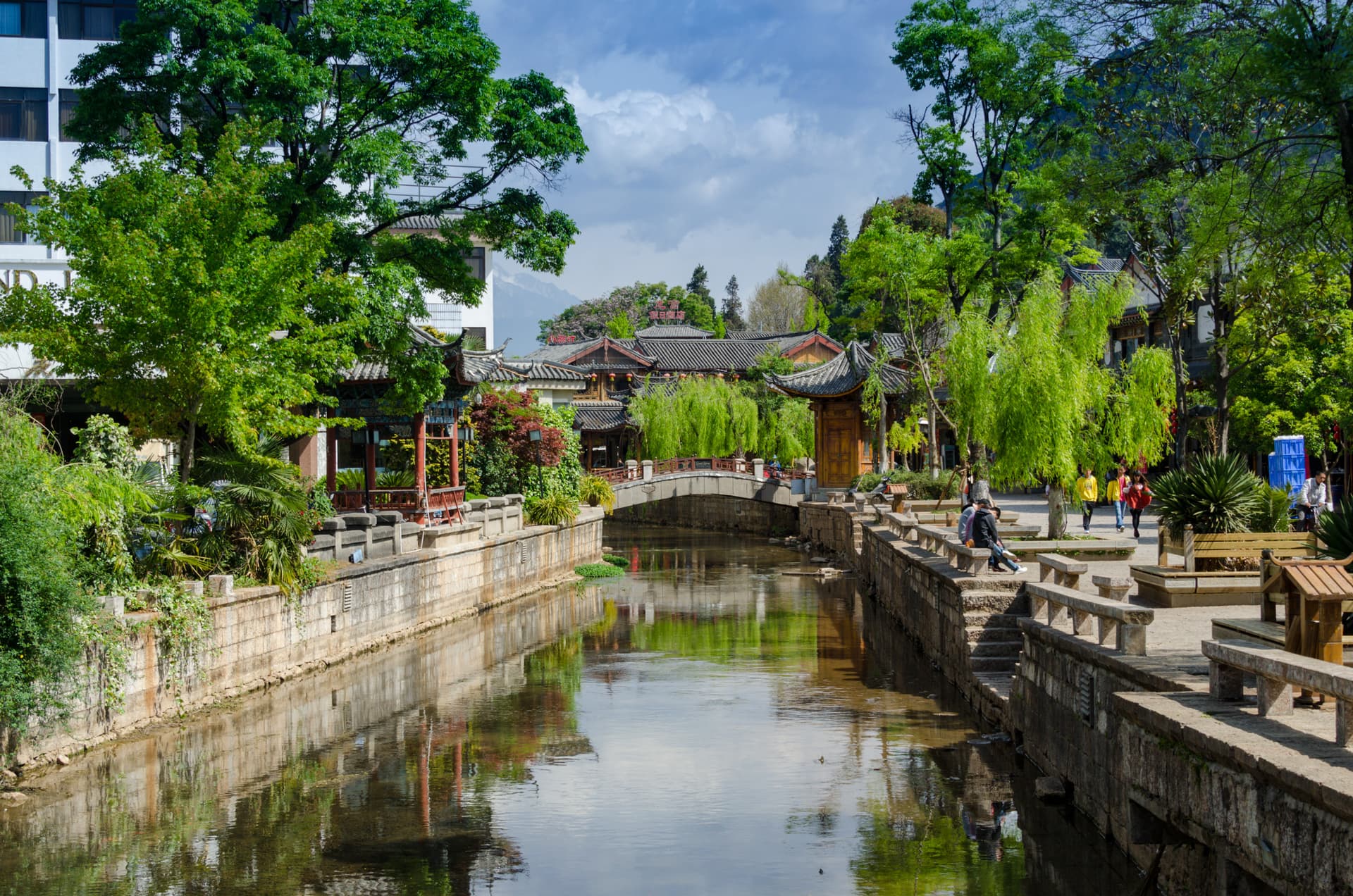 12China (Yunnan)
Asia · No.12
China (Yunnan)中国 (雲南)
Yunnan province in southwestern China is the main region. Nestlé, Starbucks and others have supported quality since the 1990s. Specialty-minded micro-lots have emerged, with more coffees scoring over 80 SCAA points.
NuttySweetnessHerbChocolateFloral
Altitude1,100–1,800mAnnual2.0M bags
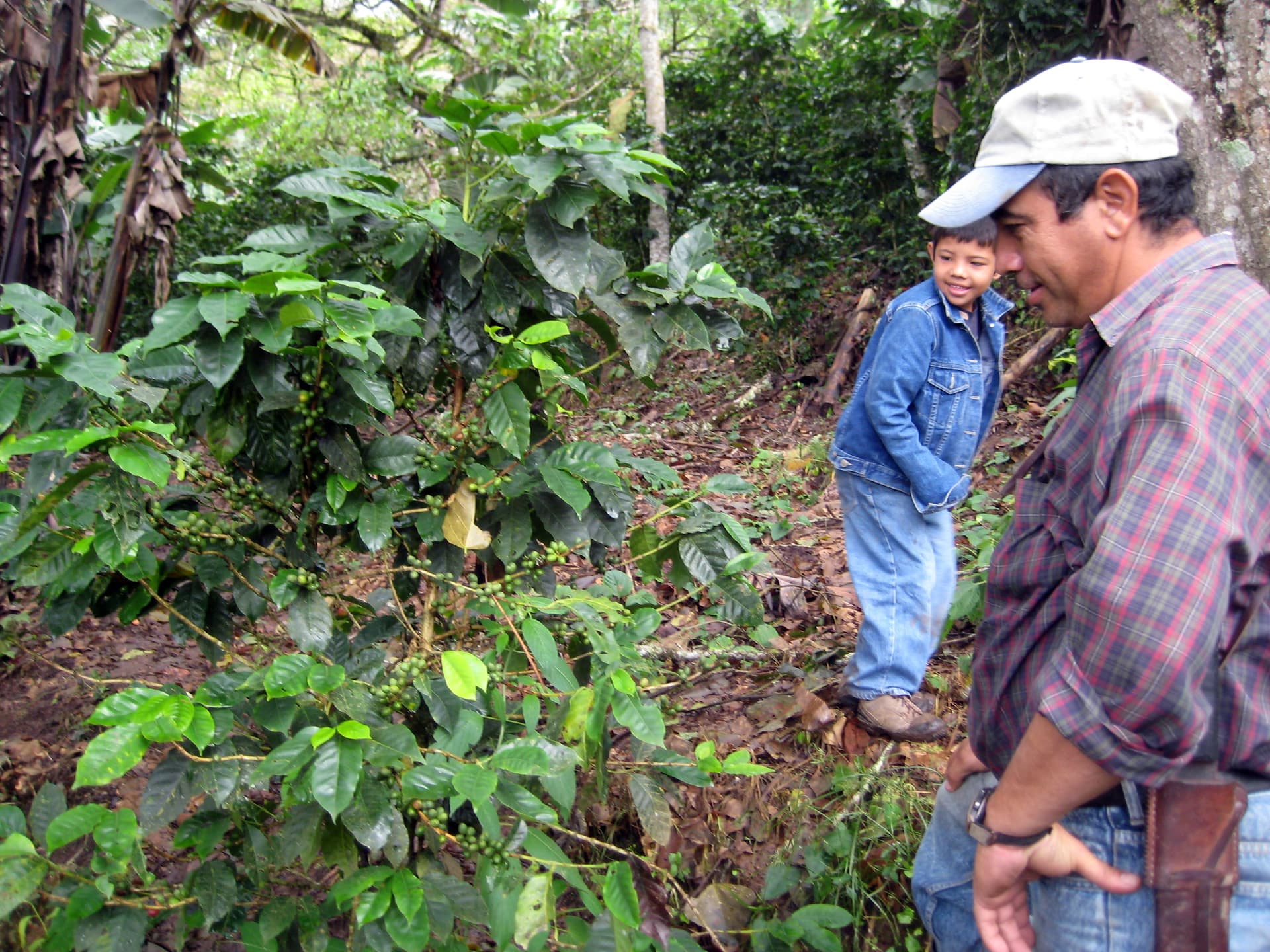 13Nicaragua
Central America · No.13
Nicaraguaニカラグア
Central America's largest country, with vast coffee regions. Many smallholders give it strong fair-trade affinity, and its profile as a specialty origin is rising rapidly.
ChocolateBrown sugarMild fruitHerbCaramel
Altitude1,000–1,700mAnnual2.3M bags
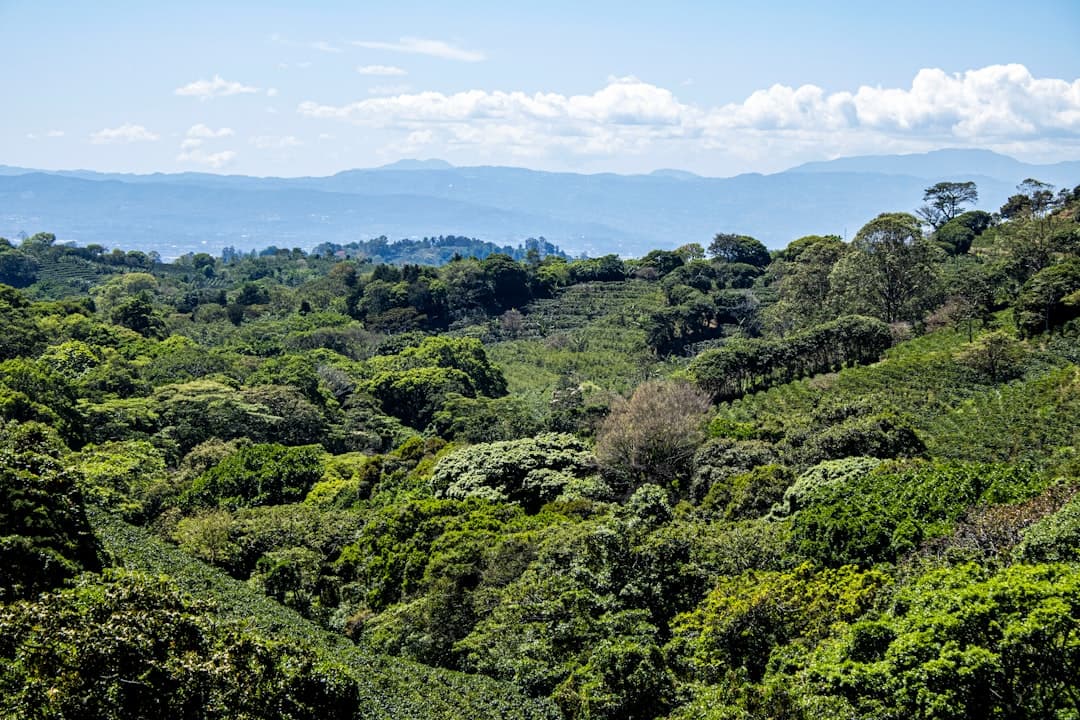 14Costa Rica
Central America · No.14
Costa Ricaコスタリカ
The only country to have banned robusta cultivation by law (1988). Known as the birthplace of honey processing, with advanced mill (beneficio) techniques.
OrangeChocolateBrown sugarCaramelMild fruit
Altitude600–1,900mAnnual2.0M bags
14Côte d'Ivoire
Africa · No.14
Côte d'Ivoireコートジボワール
One of West Africa's largest robusta producers. Grown in the forest belt, it is known for stable bitterness and body. A historically major producer now pursuing quality improvement.
Dark chocolateNuttyEarthyRubberSpice
Altitude200–600mAnnual1.8M bags
17Kenya
Africa · No.17
Kenyaケニア
Native varieties such as SL28 and SL34 create a distinctive flavor. The auction (double-auction) system helps sustain quality.
BlackcurrantTomatoGrapefruitLimeCassis
Altitude1,300–2,100mAnnual0.80M bags
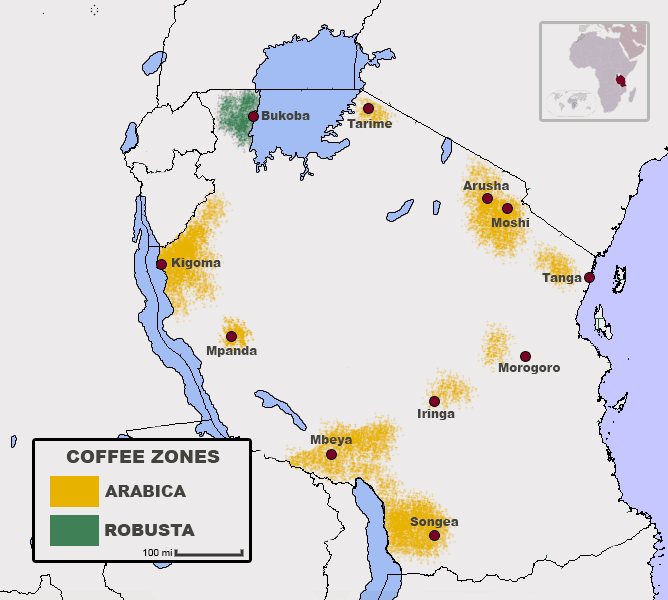 20Tanzania
Africa · No.20
Tanzaniaタンザニア
Famous for regions on the slopes of Mt. Kilimanjaro, and known for yielding many peaberries. Coffee is an important Tanzanian export.
BlackcurrantWineBright citrusFloralTea-like
Altitude1,100–2,100mAnnual0.90M bags
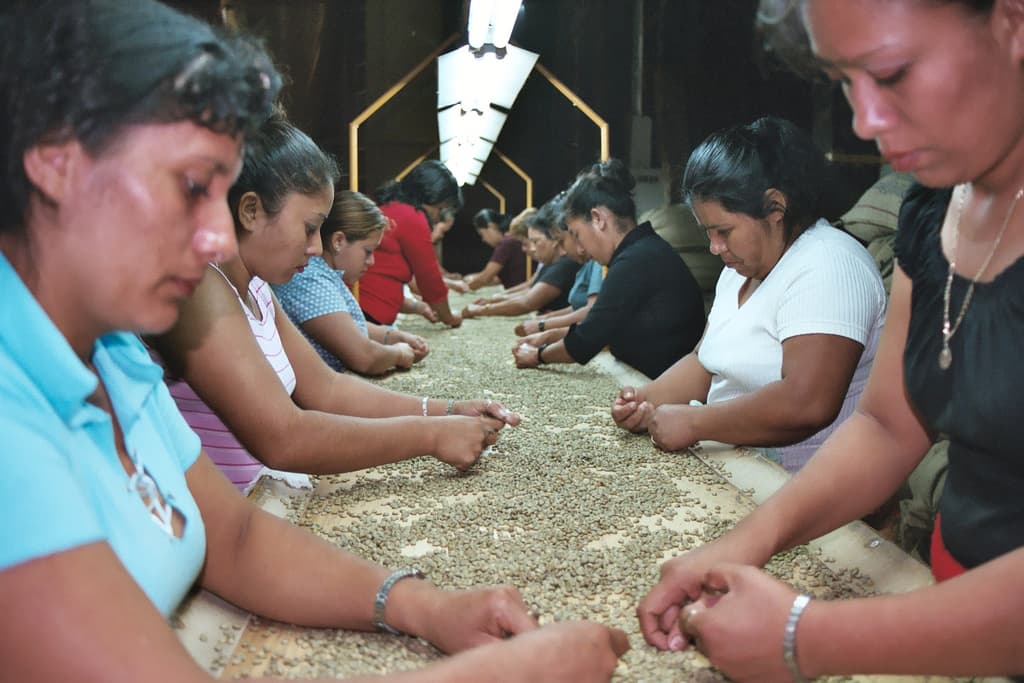 25El Salvador
Central America · No.25
El Salvadorエルサルバドル
Central America's smallest country, yet about a third of its land suits highland coffee. Much Bourbon, with volcanic soil giving distinctive sweetness. It rose in the specialty market during post-civil-war recovery.
Stone fruitChocolateMild citrusCaramelFloral
Altitude500–2,300mAnnual0.65M bags
 25Laos
Asia · No.25
Laosラオス
The southern Bolaven Plateau is the center of arabica Typica cultivation. Introduced in the French colonial era, its specialty-minded micro-lots are gaining recognition.
NuttyMilk chocolateCreamySweetness
Altitude1,000–1,300mAnnual0.80M bags
26Dominican Republic
Caribbean · No.26
Dominican Republicドミニカ共和国
A traditional Caribbean origin. Much goes to domestic consumption, but highland lots from the Cibao region are also actively exported to the US. A balanced profile with Caribbean-style sweetness.
CacaoNuttyCitrusMilk chocolate
Altitude600–1,450mAnnual0.40M bags
 28Thailand
Asia · No.28
Thailandタイ
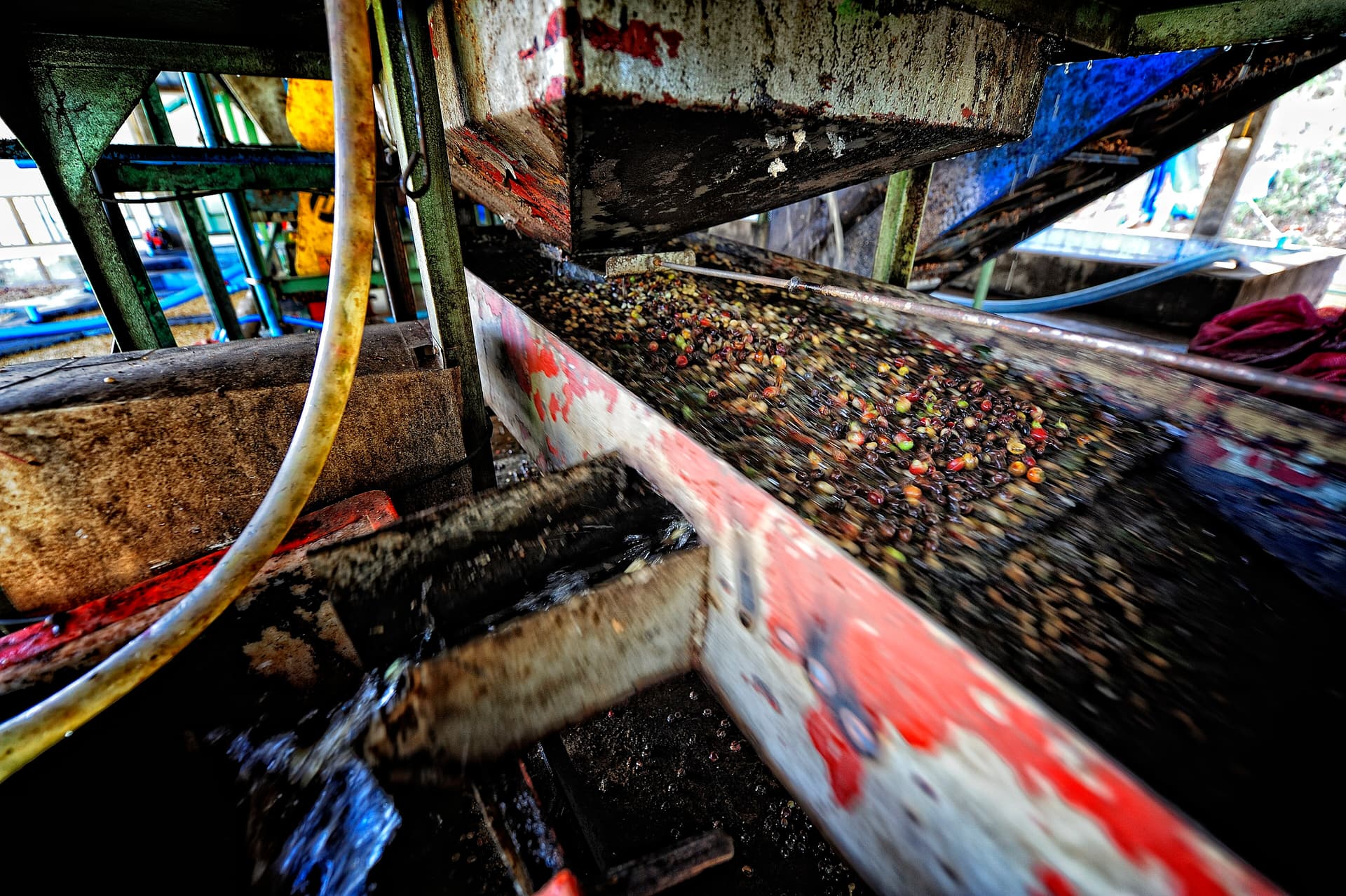
Arabica is grown in the northern mountains (Chiang Mai, Chiang Rai) and robusta in the south. The Thai Royal Project's 'Doi Chaang' and 'Doi Tung' represent its high-quality specialty.
FloralCitrusHoneyNuttyJasmine
Altitude1,100–1,700mAnnual0.60M bags
 29Venezuela
South America · No.29
Venezuelaベネズエラ
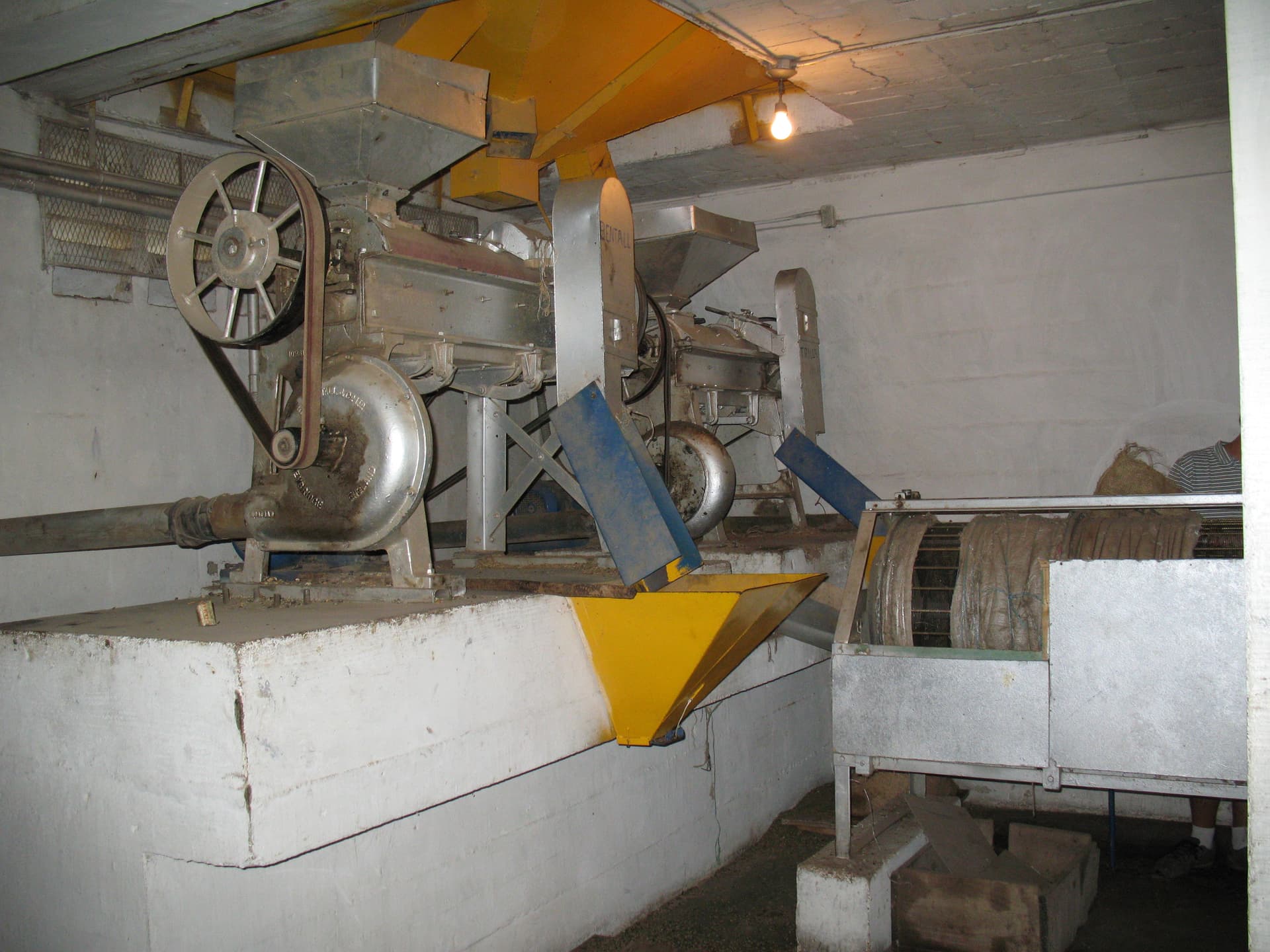
Once a leading South American coffee exporter. Grown in the western Andes and historically known as the "Maracaibo" type. Production shrank amid political and economic turmoil, but its mellow, sweet, lower-acidity character endures.
ChocolateNuttyCaramelMild citrusOrange
Altitude1,000–1,900mAnnual0.50M bags
30Togo
Africa · No.30
Togoトーゴ
A West African robusta producer, grown mainly in the southwestern Plateaux region. With stable bitterness and body, it is traded mostly for blends and instant coffee.
Dark chocolateNuttyEarthyRubberSpice
Altitude300–800mAnnual0.35M bags
31Haiti
Caribbean · No.31
Haitiハイチ
A historic giant that produced over half the world’s coffee in the 18th century. Now small in scale, but the tradition of shade-growing heirloom Typica survives, known as the mellow, low-acid "Haitian Bleu."
ChocolateNuttyCaramelDried fruitMild citrus
Altitude800–1,500mAnnual0.33M bags
 34Philippines
Asia · No.34
Philippinesフィリピン
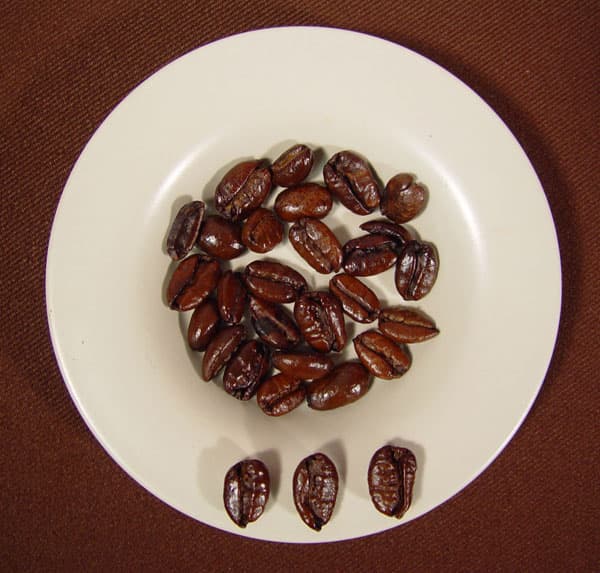
A rare country that grows the globally scarce Liberica (Barako) alongside arabica and robusta. It ranges from highland arabica in Benguet to lowland robusta. A former major producer now reviving and raising quality.
ChocolateNuttyCitrusCaramelWoody
Altitude300–1,800mAnnual0.25M bags
 38Hawaii (USA)
North America · No.38
Hawaii (USA)ハワイ
The only coffee-growing region in the US. The Kona district on the Big Island is the most famous, counted among the world's three great coffees alongside Blue Mountain. Very high growing costs make it a rarity.
NuttyCreamyCitrusSweetnessMacadamia
Altitude200–900mAnnual0.06M bags
38Myanmar
Asia · No.38
Myanmarミャンマー
An emerging origin gaining specialty attention, centered on Shan State. High-altitude arabica is clean and fruity, and reputation is rising on the back of internationally supported quality work.
ChocolateOrangeStone fruitHoneyNutty
Altitude1,000–1,600mAnnual0.20M bags
40East Timor (Timor-Leste)
Asia · No.40
East Timor (Timor-Leste)東ティモール
The birthplace of the 'Timor hybrid,' a natural arabica-robusta cross. Much shade-grown organic cultivation with a high fair-trade share. An Asian profile resembling Mandheling.
ChocolateNuttyEarthySpice
Altitude1,100–1,500mAnnual0.16M bags
42Angola
Africa · No.42
Angolaアンゴラ
A historic robusta giant that ranked 4th in the world in the 1970s. Devastated by civil war, it is now being rebuilt — bold northern robusta plus small amounts of highland arabica.
Dark chocolateNuttyEarthySpiceChocolate
Altitude600–1,400mAnnual0.04M bags
 44Puerto Rico
Caribbean · No.44
Puerto Ricoプエルトリコ
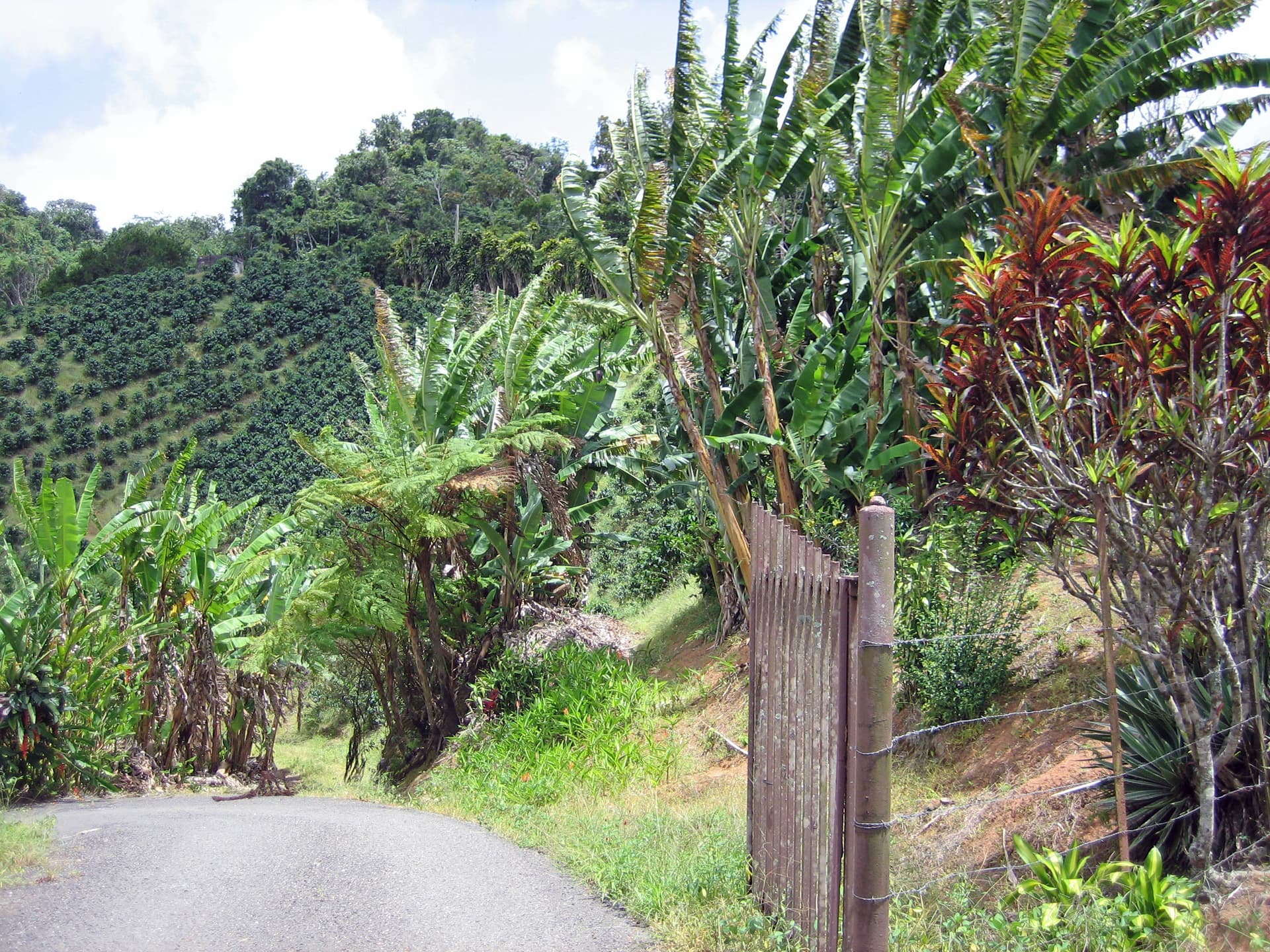
A historic premium Caribbean origin. Grown in the west-central mountains, it produced the renowned "Yauco Selecto." Output is small, but the cup is mellow, balanced and refined.
ChocolateNuttyCaramelMild citrusBrown sugar
Altitude750–1,100mAnnual0.04M bags
45Malawi
Africa · No.45
Malawiマラウイ
A landlocked East African country. Led by smallholder organic and fair-trade cultivation. Low volume, but known for a clean, refined profile.
CitrusHoneyNuttyCreamy
Altitude1,200–1,700mAnnual0.03M bags
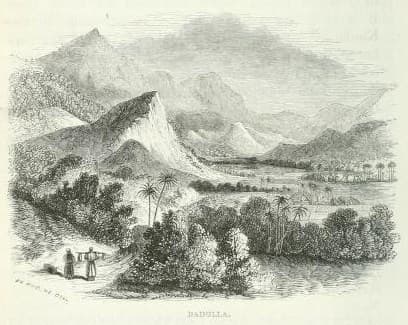 45Sri Lanka
Asia · No.45
Sri Lankaスリランカ
A major coffee producer in the 19th century until leaf rust devastated it in 1869, after which it turned to tea. Today, on a small scale, a revival is underway in the central highlands. Spicy and rustic in flavor.
SpiceChocolateNuttyDried fruit
Altitude500–1,400mAnnual0.04M bags
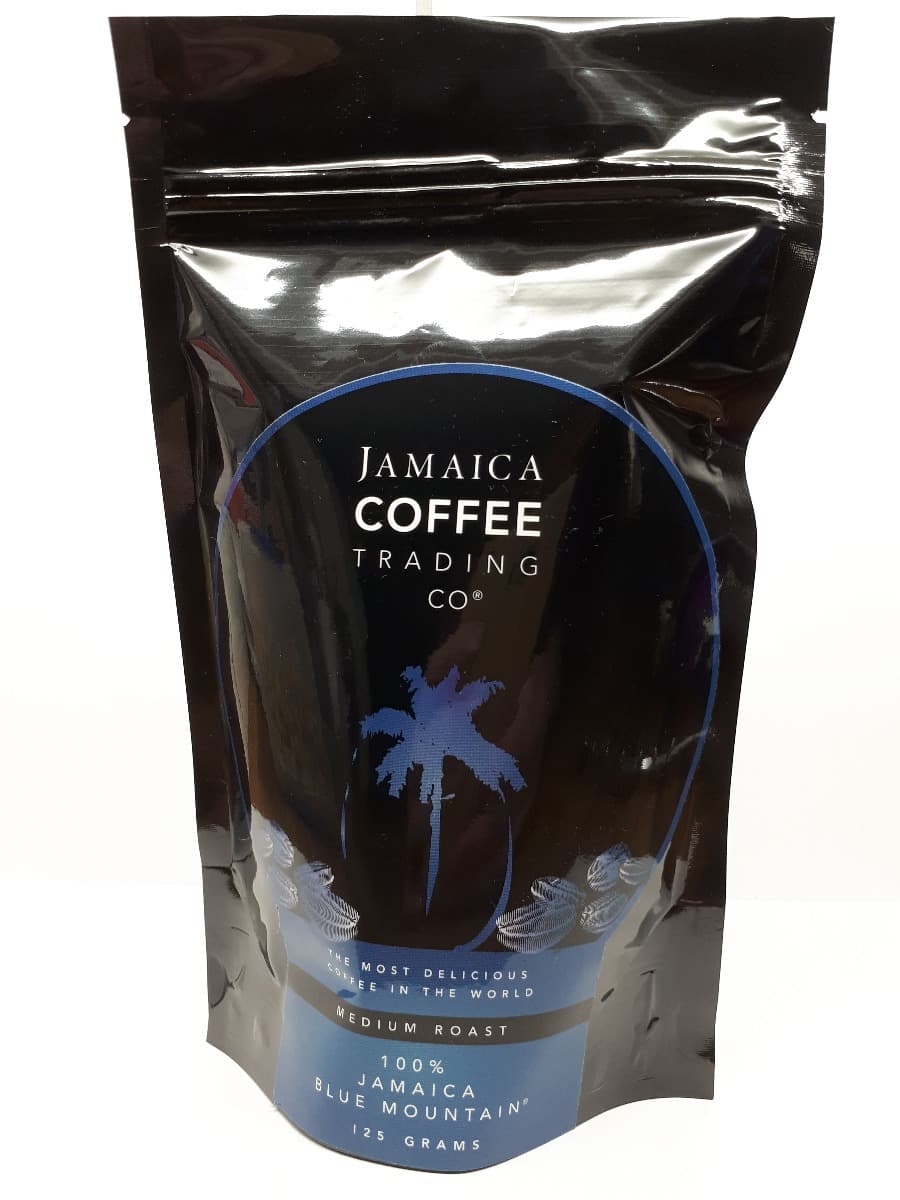 50Jamaica
Caribbean · No.50
Jamaicaジャマイカ
Blue Mountain is one of the world's three great coffees. Much is exported to Japan — about 80% of production.
CreamyMildNuttyHerbFloral
Altitude910–1,700mAnnual0.03M bags
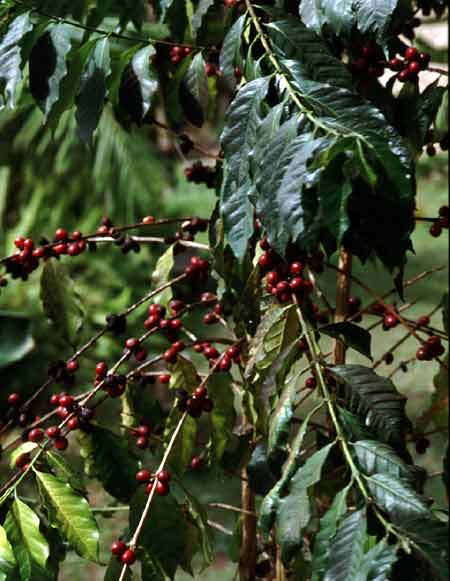 50Bolivia
South America · No.50
Boliviaボリビア
South America's hidden high-quality origin. Centered on the Yungas region at 1,500–2,200m and led by smallholder organic cultivation. Low volume but highly rated at Cup of Excellence; export infrastructure is a challenge.
FloralCitrusHoneyNuttyCreamy
Altitude1,300–2,200mAnnual0.09M bags
 55Taiwan
Asia · No.55
Taiwan台湾
An emerging high-altitude specialty origin epitomized by Alishan. Output is tiny, but careful growing and processing earn high marks at international competitions. Clean and delicate, with a tea-like sweetness.
Black teaFloralStone fruitHoneyNutty
Altitude800–1,600mAnnual0.01M bags
56Nepal
Asia · No.56
Nepalネパール
An emerging origin grown in the Himalayan foothills. Output is tiny, but it is largely organic, with a clean, bright flavor that reflects the altitude.
CitrusChocolateNuttyFloralCitrus
Altitude1,000–1,700mAnnual0.01M bags
Regional guide by origin
A country-by-country index of 10 regions with in-depth guides — start from whichever region interests you.