§ Origins
OriginsOrigins.
Browse the world’s coffee origins across continent, flavor, variety and altitude. Trace the outline of your next cup here.
 01Brazil
Brazilブラジル
The world's largest coffee producer. Many mechanized large-scale farms give it a strength in stable supply, and it is used worldwide as an espresso base.
 02Vietnam
Vietnamベトナム
The world's #2 producer and the largest robusta origin. Used in huge volumes for instant and canned coffee.
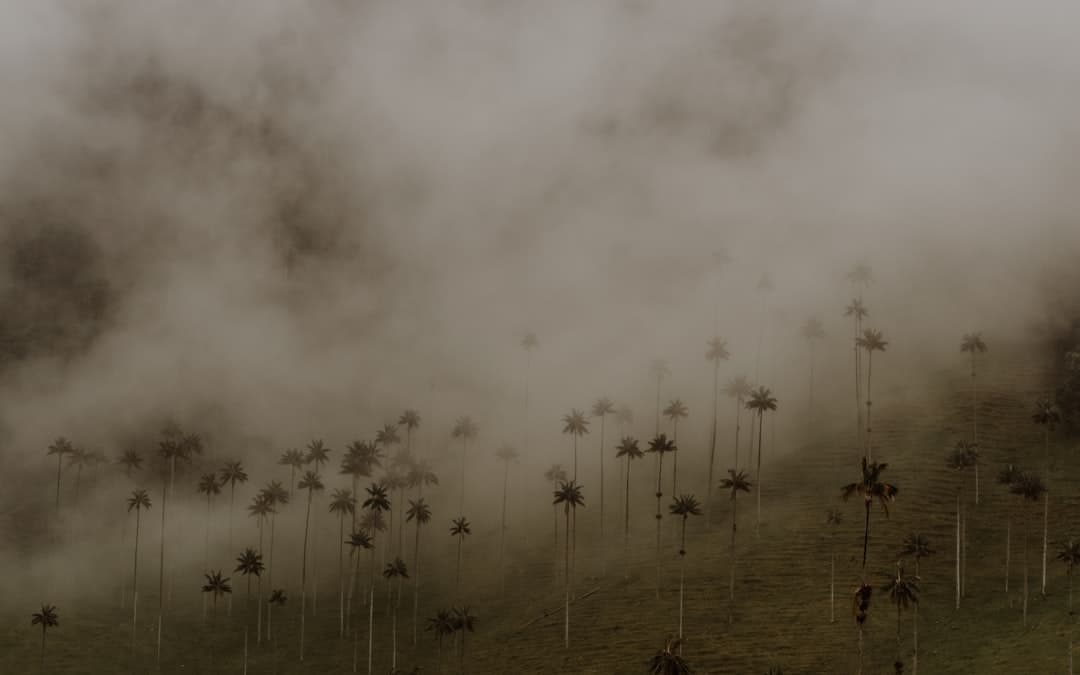 03Colombia
Colombiaコロンビア
Harvested year-round with reliably consistent quality. The FNC (National Federation of Coffee Growers) oversees quality control.
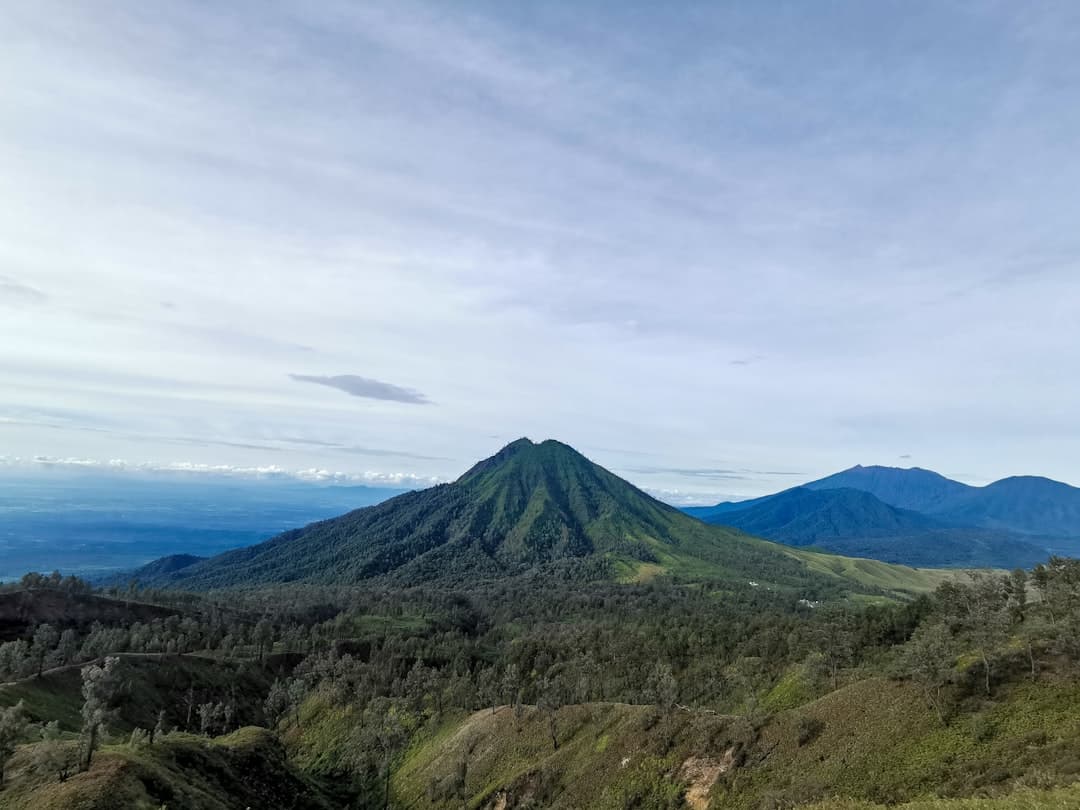 04Indonesia
Indonesiaインドネシア
An archipelago nation including Sumatra, Java and Sulawesi. The unique wet-hulled process creates a distinctive flavor.
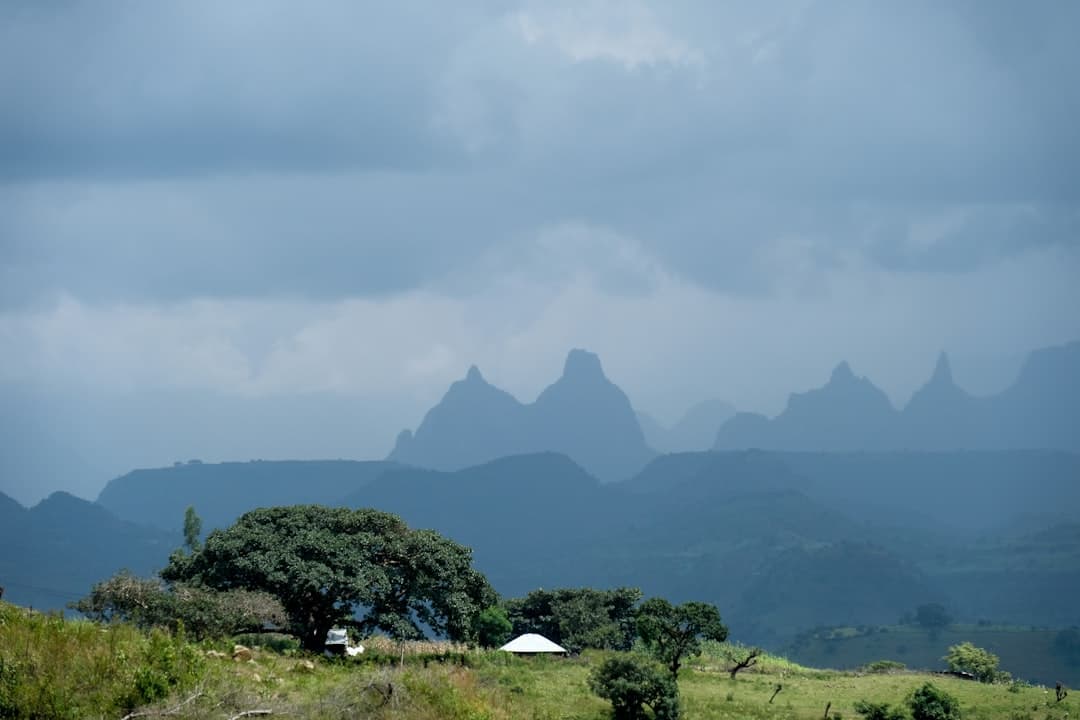 05Ethiopia
Ethiopiaエチオピア
The birthplace of coffee. Wild coffee grows here and a vast diversity of heirloom varieties exists. It is also the origin of the Geisha (Gesha) variety.
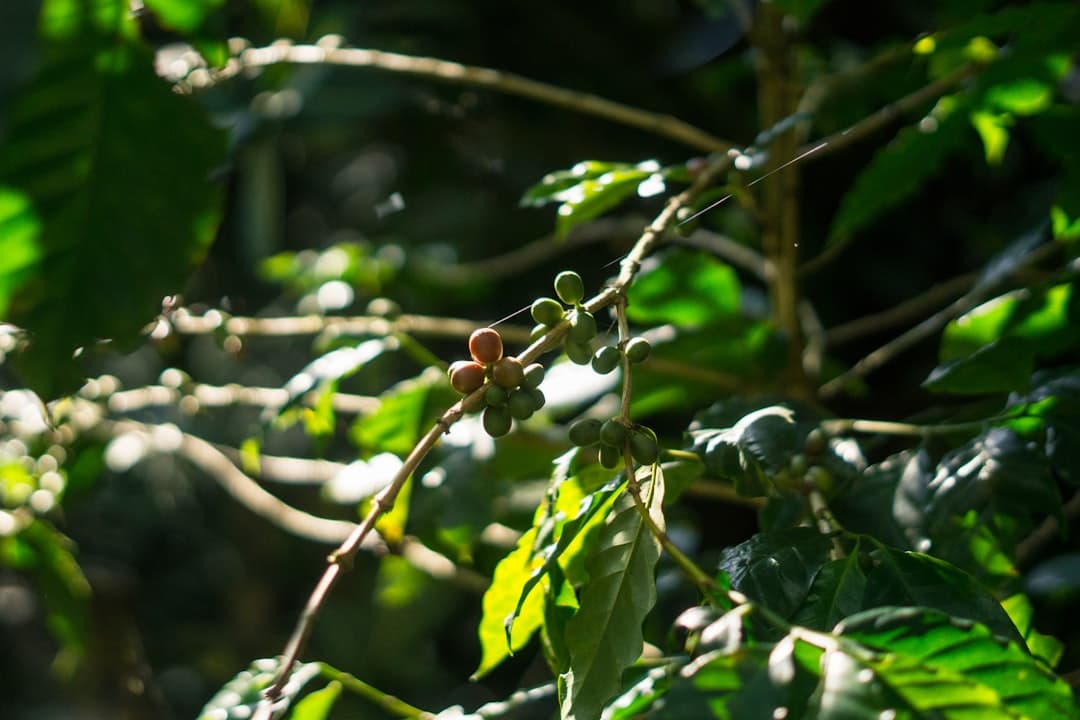 06Honduras
Hondurasホンジュラス
Grew rapidly after 2011 to become Central America's largest exporter. IHCAFE drives quality improvement. Infrastructure remains a challenge, but its standing in the specialty market is rising.
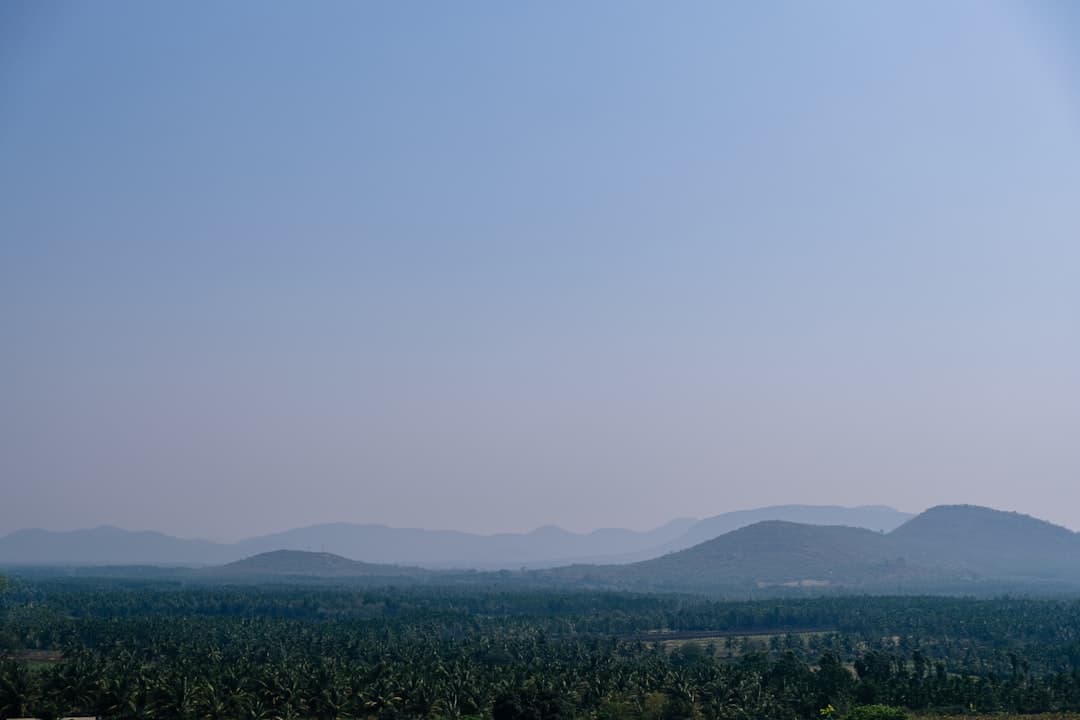 07India
Indiaインド
The Western Ghats of southern India are the main region. Known for the unique 'monsooned' process. Much is shade-grown under spice-plantation canopies.
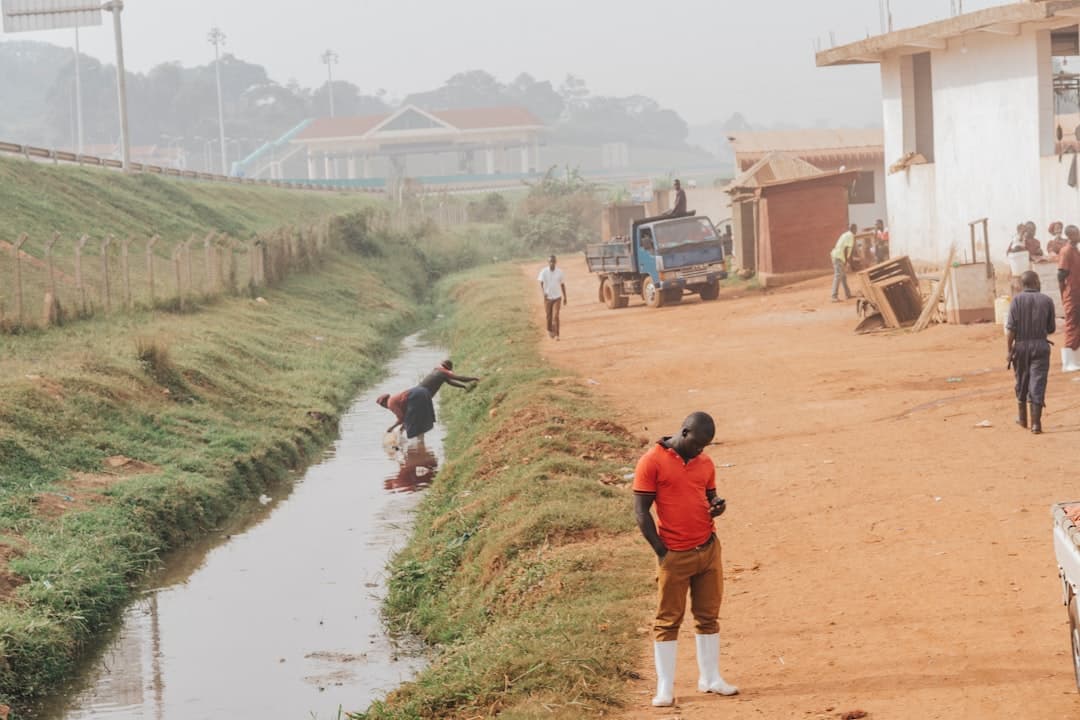 08Uganda
Ugandaウガンダ
Africa's #2 coffee producer. Considered one of robusta's birthplaces, and 'Ugandan robusta' is high quality. Coffee is a key national export and a pillar of the rural economy.
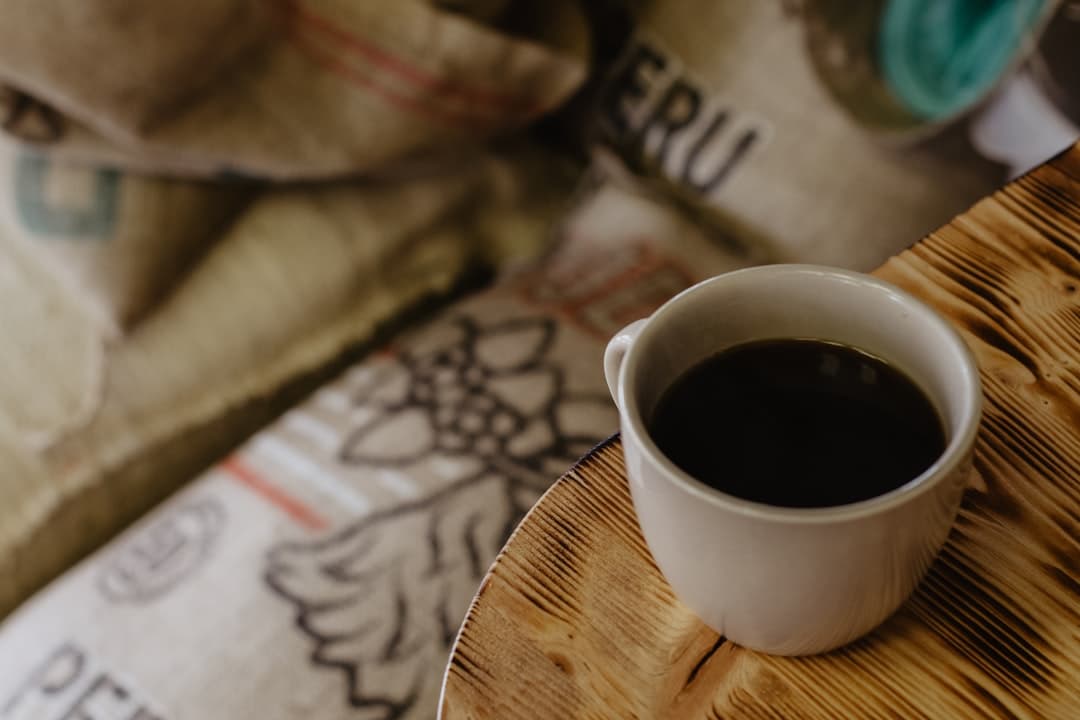 09Peru
Peruペルー
One of South America's leading organic coffee origins, grown in the high Andes. A smallholder-led system with strong fair-trade affinity.
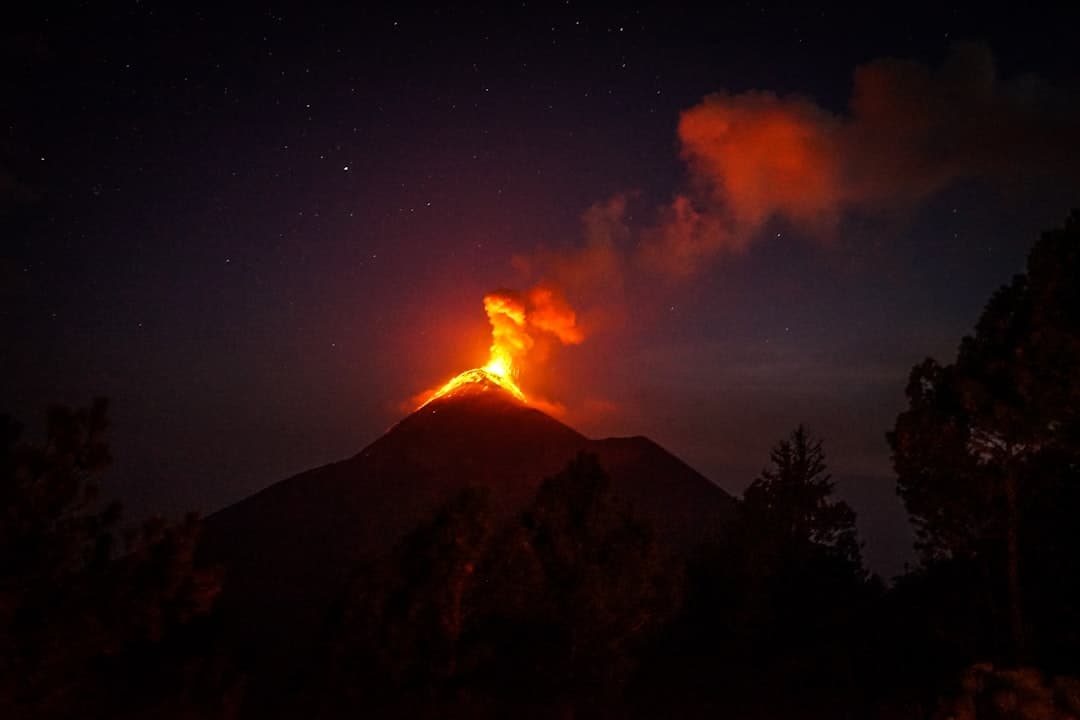 10Guatemala
Guatemalaグアテマラ
Volcanic soils and diverse microclimates produce complex flavors. ANACAFÉ handles quality control.
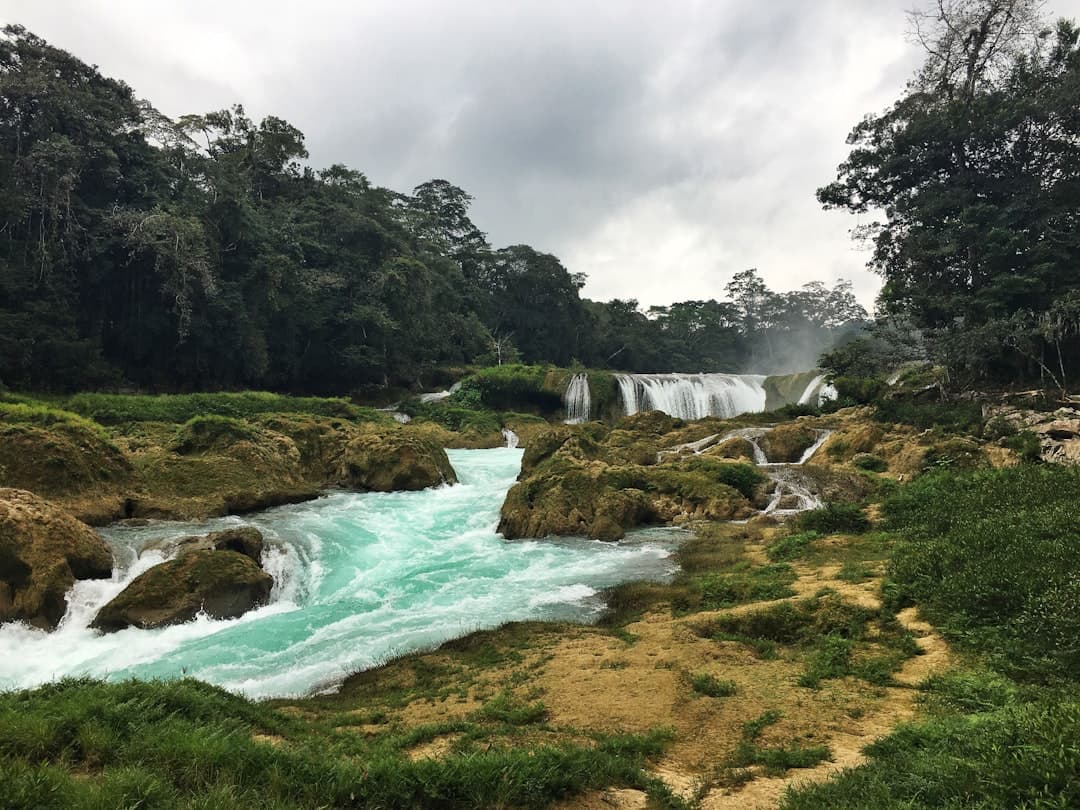 11Mexico
Mexicoメキシコ
North America's largest coffee producer. A high share of organic cultivation and many fair-trade-certified regions. Smallholders dominate, with production led by Indigenous communities.
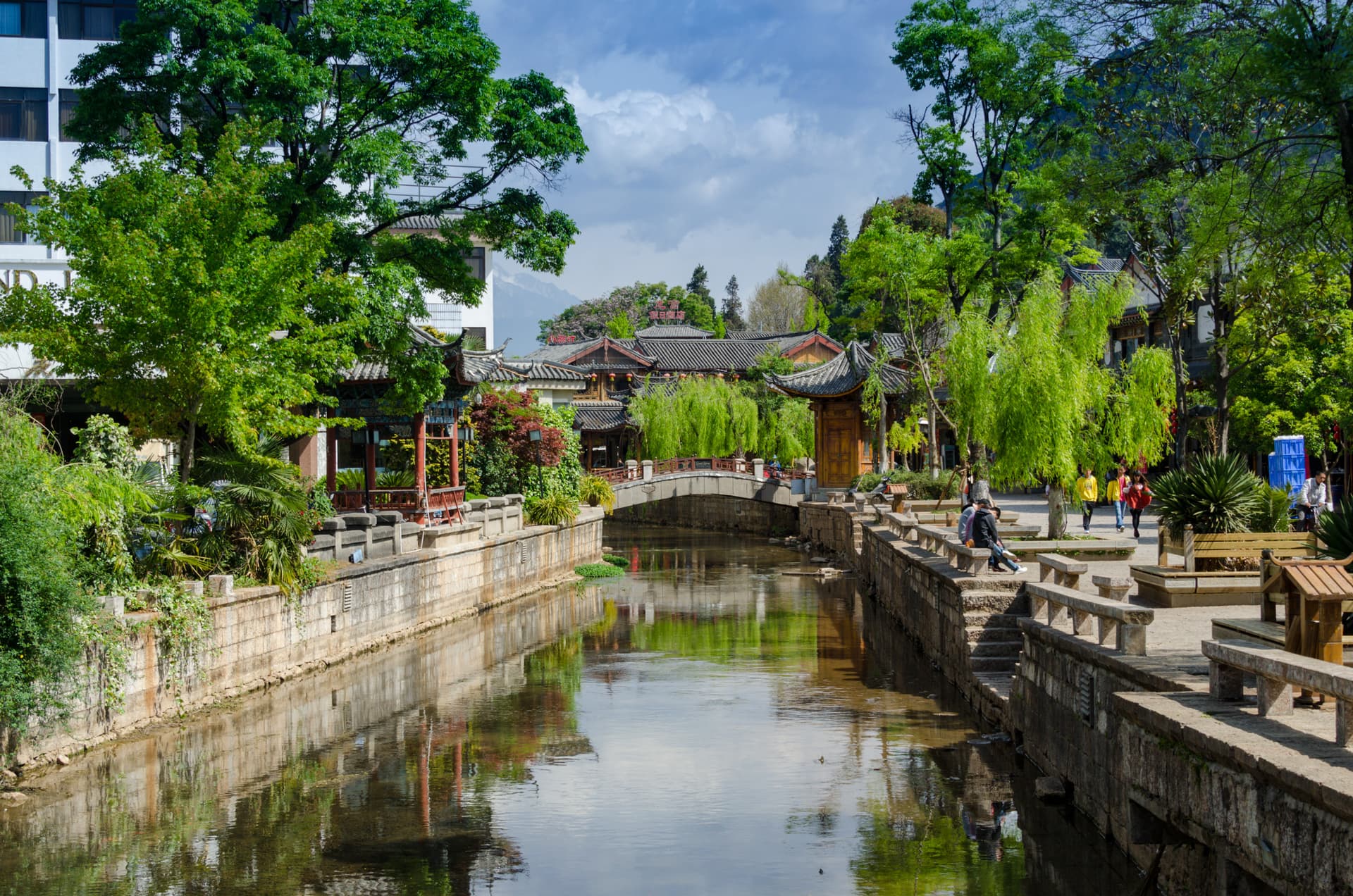 12China (Yunnan)
China (Yunnan)中国 (雲南)
Yunnan province in southwestern China is the main region. Nestlé, Starbucks and others have supported quality since the 1990s. Specialty-minded micro-lots have emerged, with more coffees scoring over 80 SCAA points.
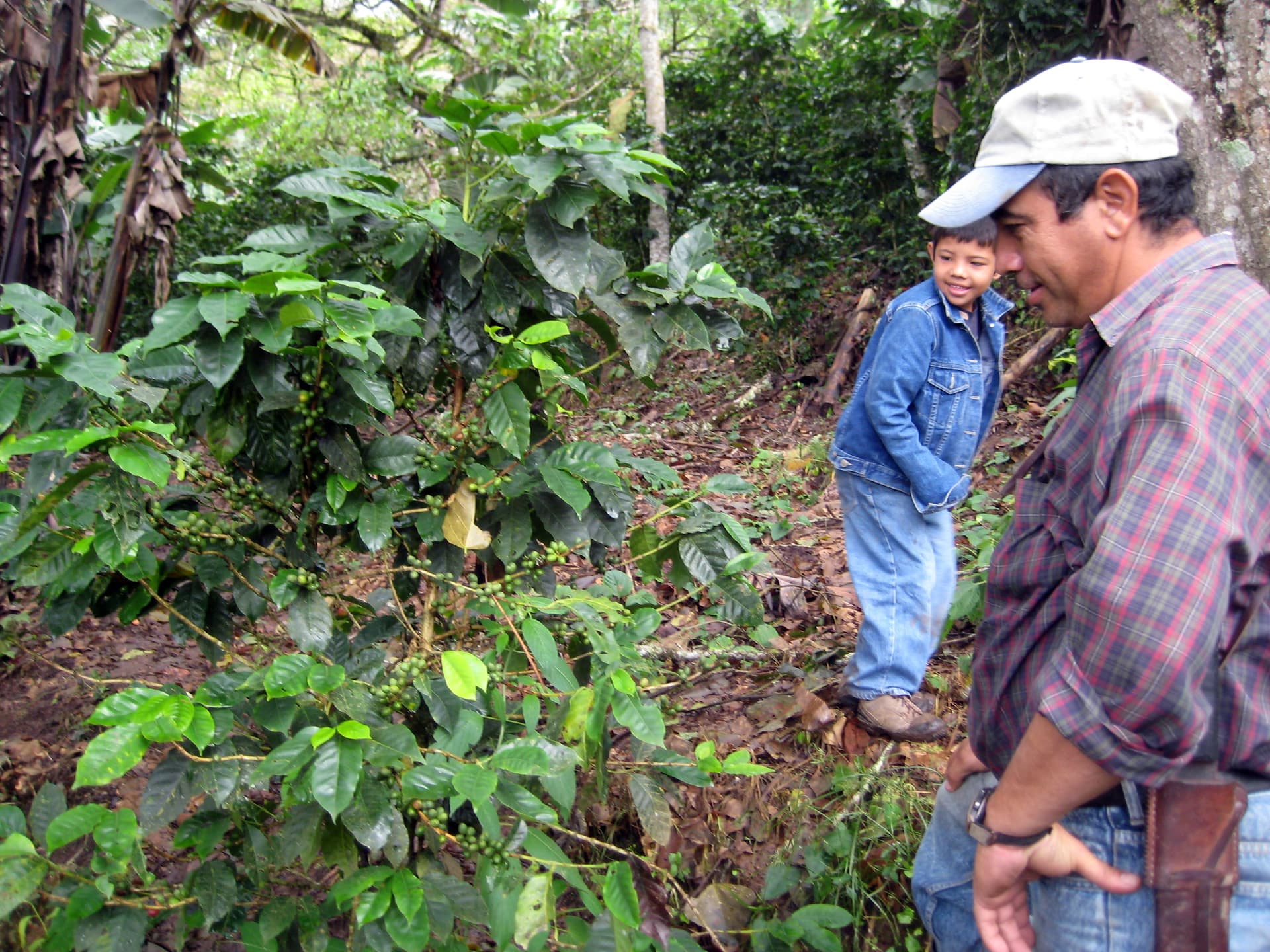 13Nicaragua
Nicaraguaニカラグア
Central America's largest country, with vast coffee regions. Many smallholders give it strong fair-trade affinity, and its profile as a specialty origin is rising rapidly.
 14Costa Rica
Costa Ricaコスタリカ
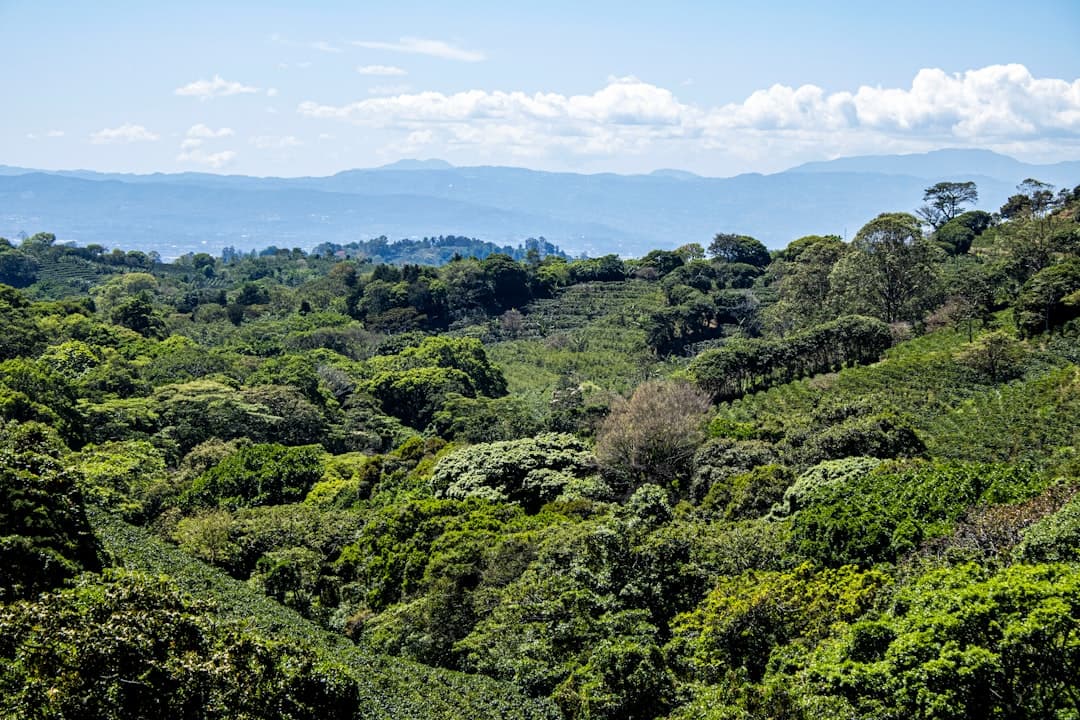
The only country to have banned robusta cultivation by law (1988). Known as the birthplace of honey processing, with advanced mill (beneficio) techniques.
 18Papua New Guinea
Papua New Guineaパプアニューギニア
Much Typica of Ethiopian origin is grown. Often semi-wild cultivation with little pesticide use yields many naturally organic lots. Underdeveloped infrastructure makes quality variable.
 20Tanzania
Tanzaniaタンザニア
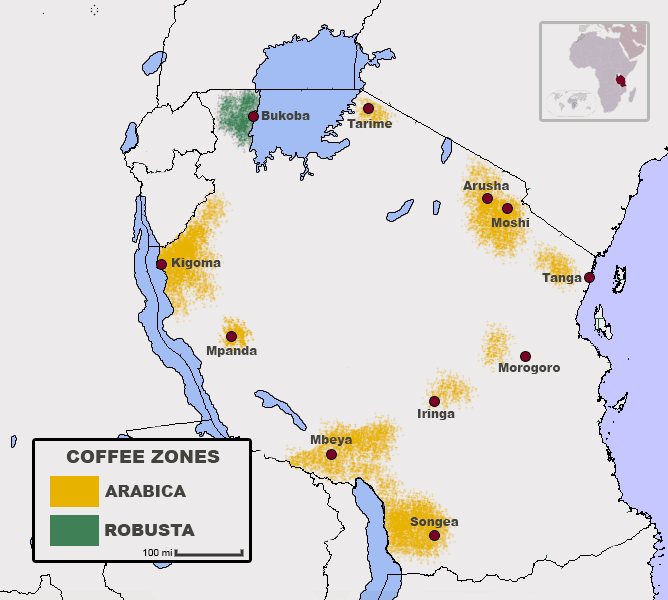
Famous for regions on the slopes of Mt. Kilimanjaro, and known for yielding many peaberries. Coffee is an important Tanzanian export.
 25El Salvador
El Salvadorエルサルバドル
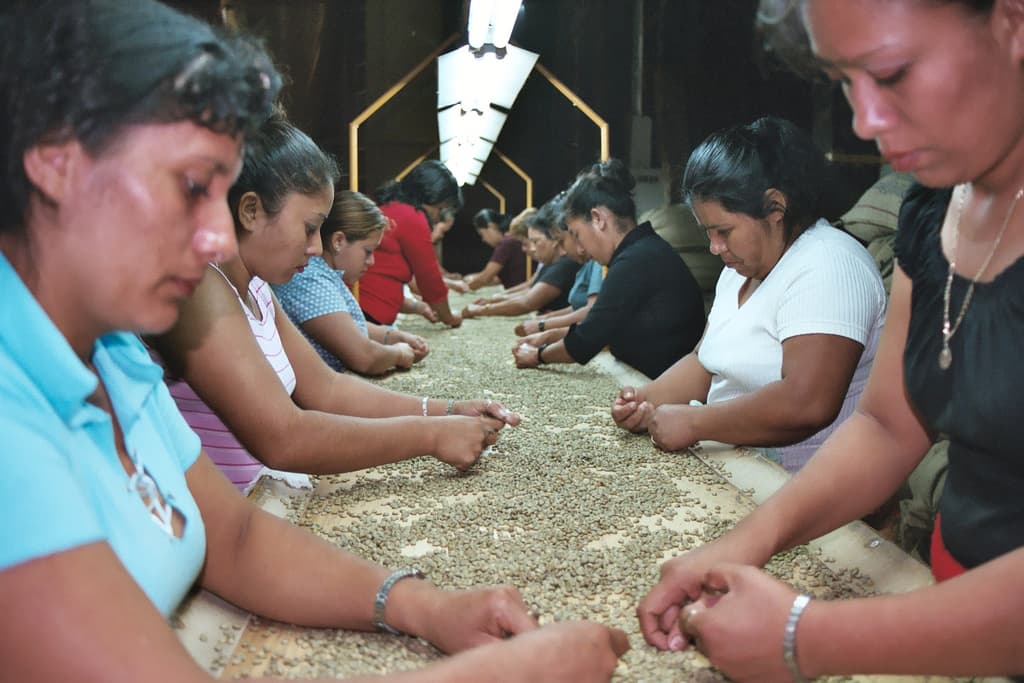
Central America's smallest country, yet about a third of its land suits highland coffee. Much Bourbon, with volcanic soil giving distinctive sweetness. It rose in the specialty market during post-civil-war recovery.
 25Laos
Laosラオス
The southern Bolaven Plateau is the center of arabica Typica cultivation. Introduced in the French colonial era, its specialty-minded micro-lots are gaining recognition.
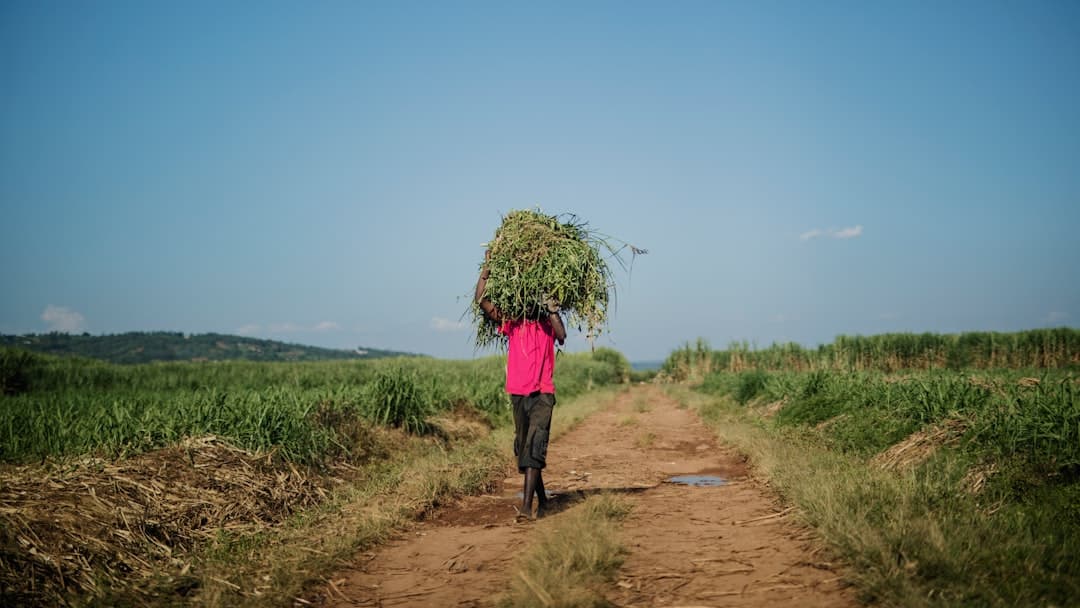 26Rwanda
Rwandaルワンダ
Known as the 'land of a thousand hills,' suited to coffee nationwide. Quality has improved markedly since the 2000s, with a rapid rise in specialty acclaim. Mostly Bourbon.
Dominican Republicドミニカ共和国
A traditional Caribbean origin. Much goes to domestic consumption, but highland lots from the Cibao region are also actively exported to the US. A balanced profile with Caribbean-style sweetness.
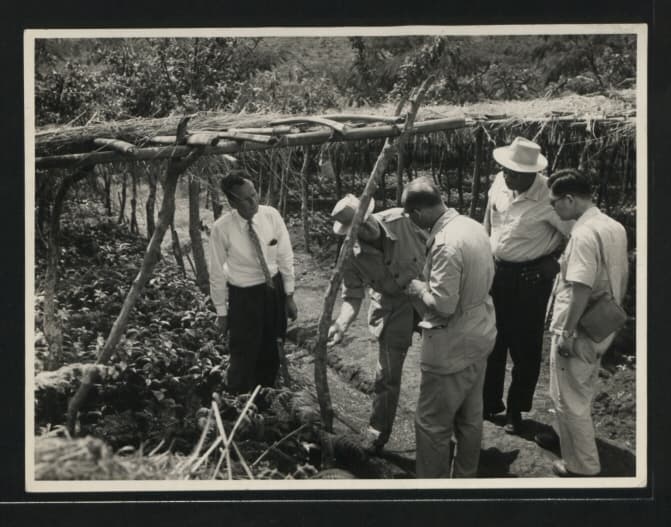 27Cameroon
Cameroonカメルーン
One of the few coffee producers in West Africa, with arabica from the Bamboutos highlands and lowland robusta. With a colonial-era tradition, specialty re-evaluation is advancing.
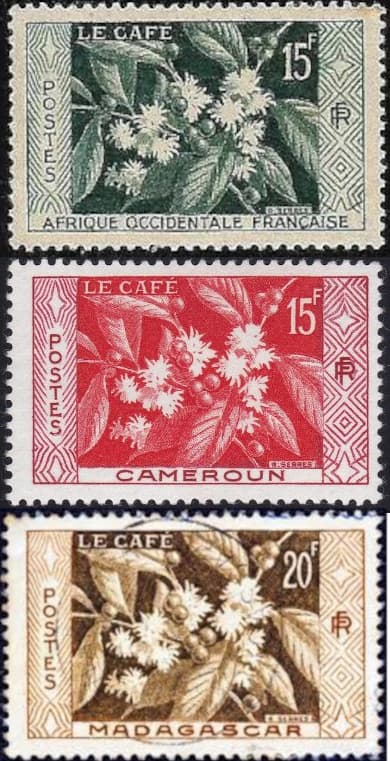 32Madagascar
Madagascarマダガスカル
Grown in the unique ecosystem of this large Indian Ocean island. Most output is robusta, but highland arabica specialty has emerged on a small scale.
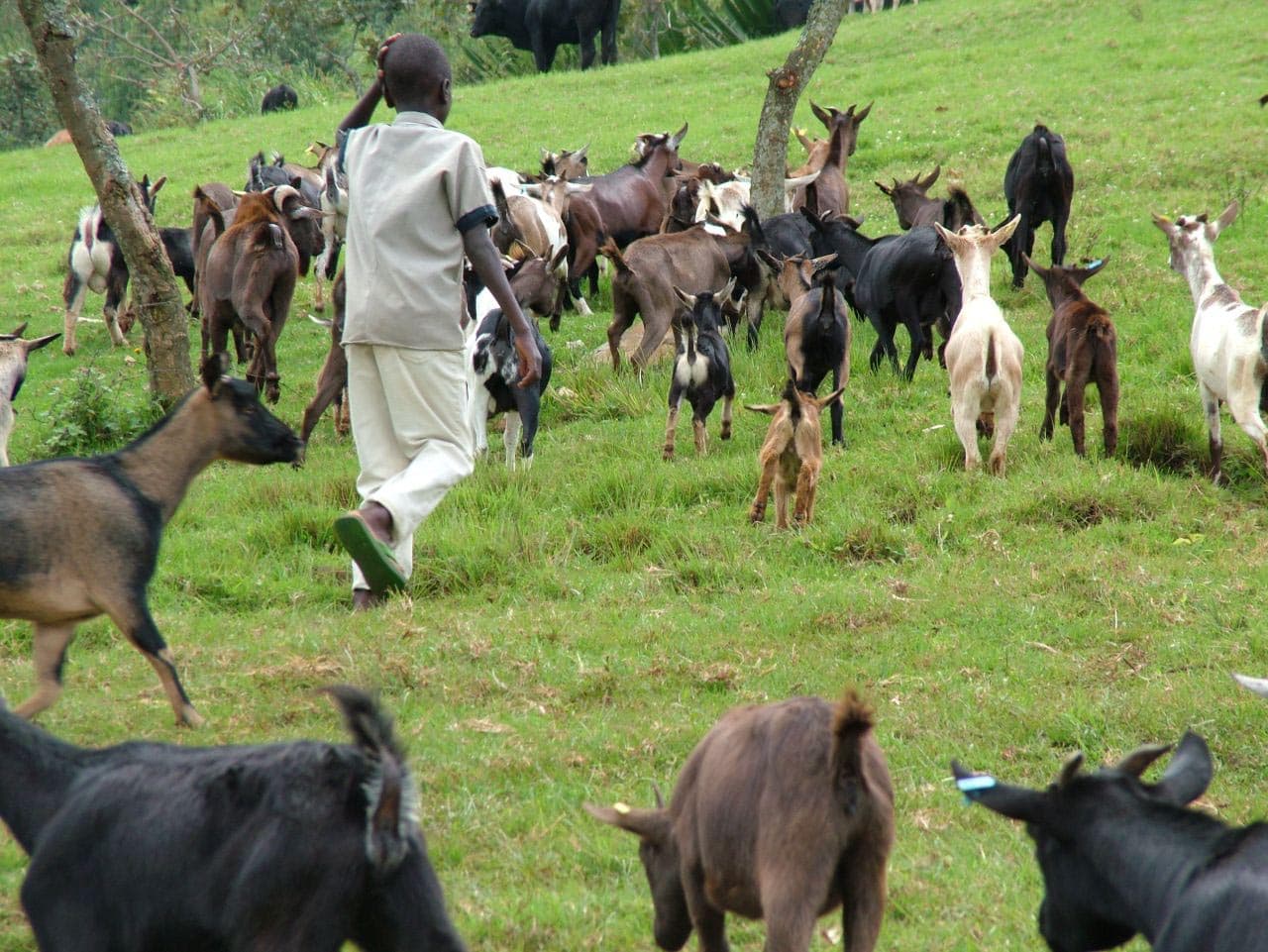 33DR Congo
DR Congoコンゴ民主共和国
Arabica cultivation has revived in the high country around Lake Kivu. After a long civil war it is regaining attention as specialty, with lots beginning to rival neighboring Rwanda and Burundi.
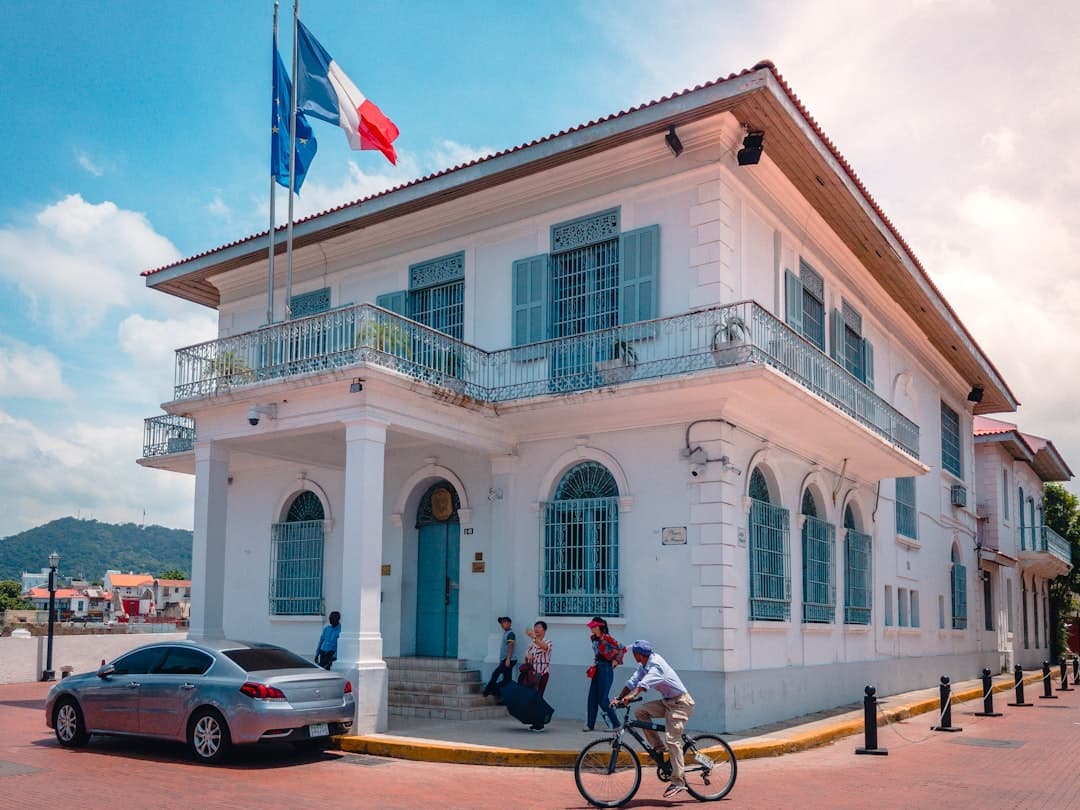 35Panama
Panamaパナマ
World-famous for popularizing the Geisha variety, and known for record prices at the Best of Panama auction.
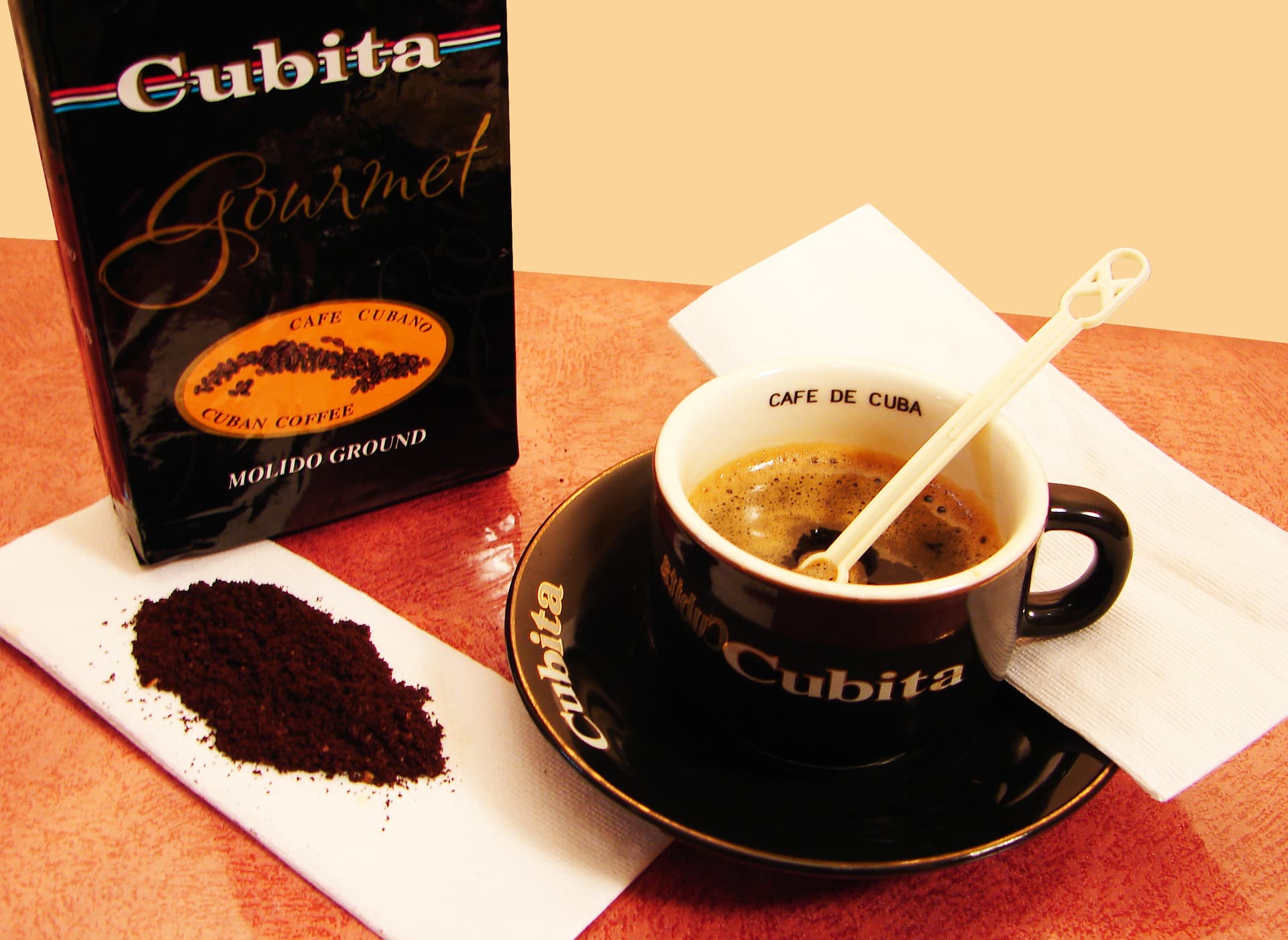 36Cuba
Cubaキューバ
A historic origin grown in the Sierra Maestra since the 18th century. Brands such as 'Cubita' and 'Crystal Mountain' trade as premium. A dark-roast tendency with strong sweetness, popular for traditional espresso.
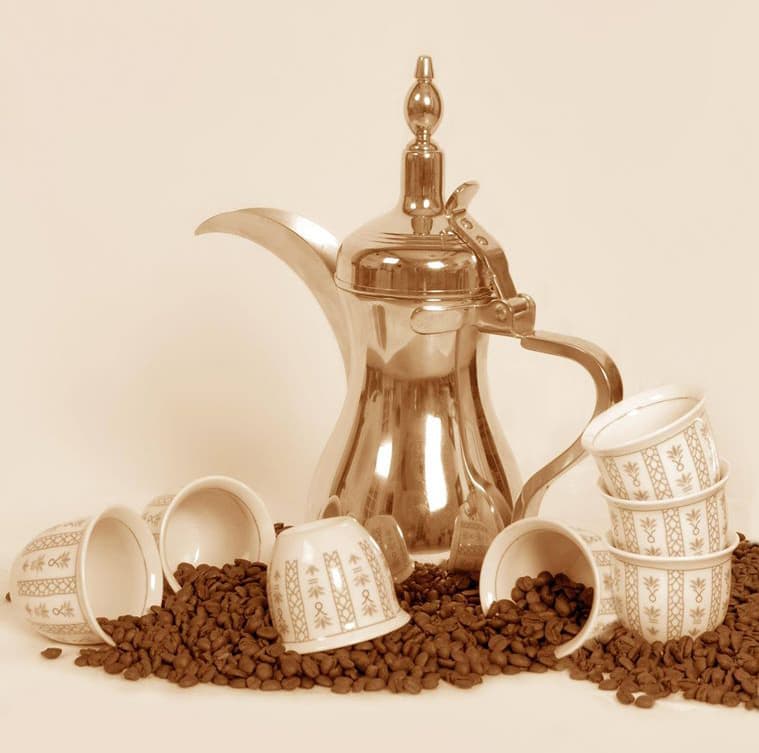 40Yemen
Yemenイエメン
The world's oldest coffee exporter, with a history of spreading worldwide from the port of Mocha. Instability has slashed production, making it highly rare.
East Timor (Timor-Leste)東ティモール
The birthplace of the 'Timor hybrid,' a natural arabica-robusta cross. Much shade-grown organic cultivation with a high fair-trade share. An Asian profile resembling Mandheling.
 50Bolivia
Boliviaボリビア
South America's hidden high-quality origin. Centered on the Yungas region at 1,500–2,200m and led by smallholder organic cultivation. Low volume but highly rated at Cup of Excellence; export infrastructure is a challenge.
Regional guide by origin
A country-by-country index of 90 regions with in-depth guides — start from whichever region interests you.